
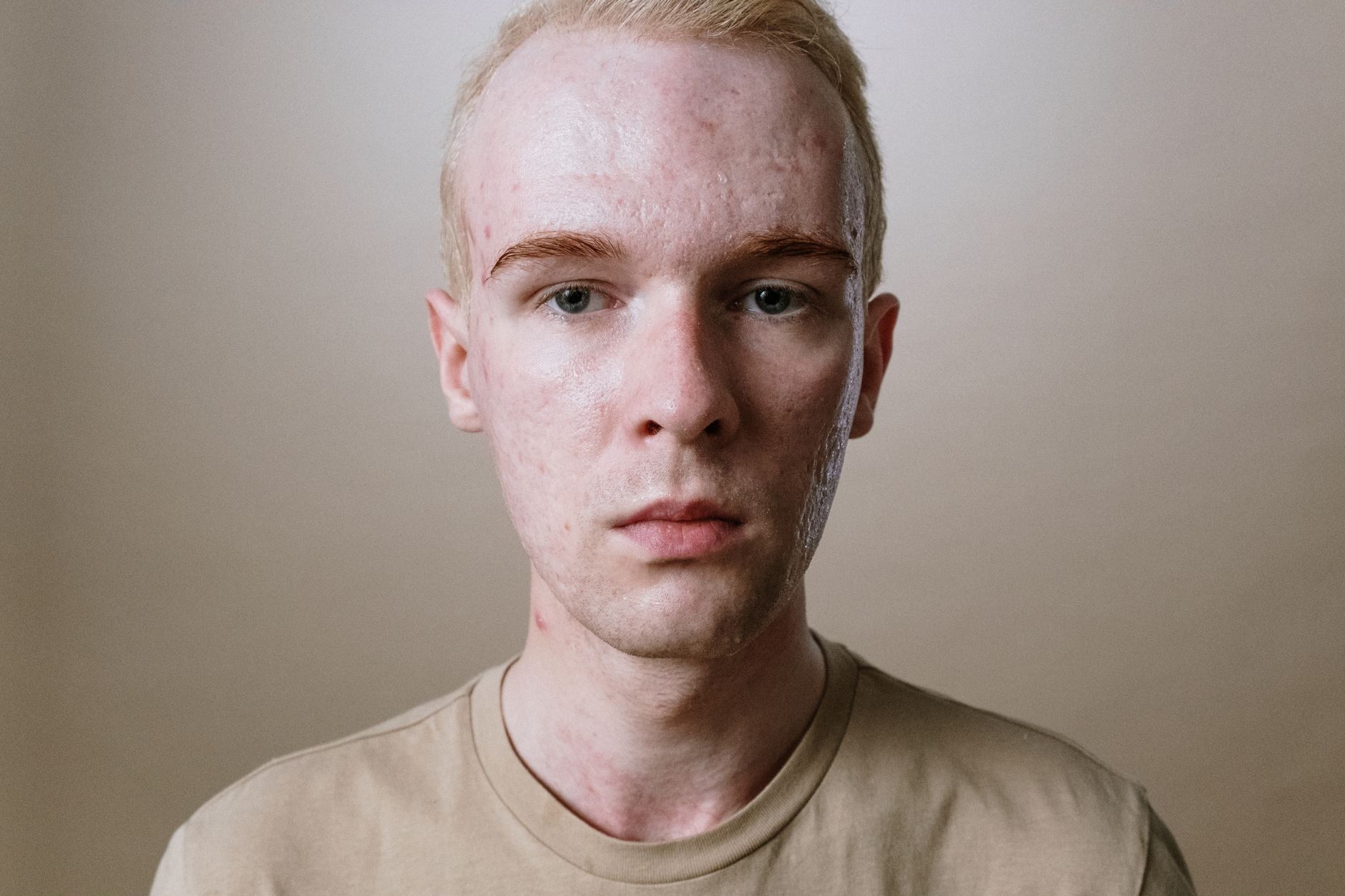
Adult acne persists because the biological forces that clog pores and drive inflammation do not automatically disappear after adolescence. Oil production, hormonal fluctuations, genetics, stress, medications, irritating products, and accumulated pore blockage can all contribute. What actually helps is a consistent, tolerable routine built around proven acne treatments—often a topical retinoid, benzoyl peroxide, salicylic acid, or azelaic acid—plus medical evaluation when breakouts are deep, scarring, sudden, or resistant to treatment. For example, a 38-year-old who develops tender chin blemishes before each menstrual period may be dealing with hormonally influenced acne rather than poor cleansing.
Scrubbing harder is likely to irritate the skin, while a gentle cleanser, noncomedogenic moisturizer, daily sunscreen, and an appropriate acne medication can address the processes occurring inside the follicle. Hormonal treatment may also be considered with a clinician when the pattern is persistent. Adult acne can appear on dry, oily, sensitive, or combination skin, and several conditions can resemble it. Treatment therefore depends on the type of lesions, their location, the person’s health and medications, and the skin’s tolerance—not simply the person’s age.
Medical information disclaimer: This article is for general educational purposes only and does not provide medical advice, diagnosis, or treatment. Always consult a physician or other qualified health professional about symptoms, medications, tests, or treatment decisions.
Table of Contents
- Why Does Adult Acne Persist at Any Age?
- Hormones, Stress, Medications, and Other Persistent Triggers
- Choosing Ingredients That Actually Treat Acne
- How to Build a Practical Adult Acne Routine
- Common Treatment Mistakes and When Prescription Care Is Needed
- Managing Dark Marks and Acne Scars
- When an Acne-Like Rash May Be Something Else
- Frequently Asked Questions
Why Does Adult Acne Persist at Any Age?
acne begins when dead skin cells and sebum collect inside a hair follicle. The clogged follicle can become a blackhead or whitehead, while inflammation and the activity of acne-associated bacteria can lead to papules, pustules, nodules, or cysts. Adults may continue to produce acne-prone follicles long after puberty, especially when a family history, naturally active oil glands, or recurring hormonal signals are involved. The pattern can differ from classic teenage acne.
An adolescent might have numerous blackheads and small pimples across the forehead and nose, while an adult may experience fewer but deeper lesions along the jawline, chin, neck, chest, or back. This is not a strict rule: adults can have widespread comedonal acne, and teenagers can develop painful nodules. External factors can keep the cycle going. Occlusive hair products may contribute to bumps near the hairline, tight athletic gear can trap heat and friction, and repeatedly touching or picking at a blemish can prolong inflammation. A cyclist who breaks out beneath helmet straps, for instance, may benefit from cleaning the straps and reducing friction, but established acne may still require medication.
Hormones, Stress, Medications, and Other Persistent Triggers
hormonal shifts can influence oil production and inflammation. Breakouts may change around menstrual cycles, during perimenopause, after starting or stopping hormonal contraception, or in association with certain endocrine conditions. Acne accompanied by irregular periods, increased facial or body hair, scalp hair thinning, or other new hormonal symptoms deserves medical evaluation rather than assumptions about the cause. Stress does not create every case of acne, but it can aggravate existing disease through hormonal and inflammatory pathways. It may also disrupt sleep or encourage picking.
Diet can affect acne in some people, yet responses vary; a food diary may reveal a repeatable association, but an unnecessarily restrictive diet can create nutritional and social downsides without clearing the skin. Some medications and supplements can cause acne-like eruptions or worsen breakouts. Examples include corticosteroids, testosterone or other androgenic agents, lithium, and certain antiseizure medicines. Do not abruptly stop a prescribed drug because acne appears. A clinician can assess whether the timing and rash pattern fit a medication effect and whether an alternative is safe.
Choosing Ingredients That Actually Treat Acne
Topical retinoids such as adapalene help prevent clogged pores and treat existing comedones. They are particularly useful when blackheads, whiteheads, and recurrent small inflamed lesions occur together. Irritation is common at first, so applying a pea-sized amount over the entire acne-prone area two or three nights per week may be more tolerable than using a large amount directly on individual spots. Benzoyl peroxide reduces acne-associated bacteria and inflammation.
It can be especially helpful for red pimples and pustules, and it is often paired with topical antibiotics to limit antibiotic resistance. A lower-strength wash may be easier to tolerate than a strong leave-on product; however, benzoyl peroxide can dry the skin and bleach towels, pillowcases, and clothing. Salicylic acid helps loosen material within pores and may work well for mild comedonal acne, while azelaic acid can address acne and lingering discoloration with relatively broad suitability across skin tones. Neither ingredient is guaranteed to control deep nodules. Someone with painful jawline cysts who relies only on a salicylic acid cleanser may see cleaner-feeling skin without meaningful control of the deeper inflammation.
How to Build a Practical Adult Acne Routine
A basic morning routine can include a gentle cleanser, one acne treatment if appropriate, a noncomedogenic moisturizer, and broad-spectrum sunscreen. At night, cleansing followed by a topical retinoid or another prescribed treatment is often enough. Sunscreen is particularly important because inflamed lesions and picking can leave dark marks, and some treatments make irritated skin less comfortable in sunlight. Starting several strong products at once may seem faster, but it makes irritation more likely and obscures which product is helping.
A person who begins a retinoid, exfoliating toner, benzoyl peroxide serum, and scrub on the same day may develop burning and peeling that resembles worsening acne. Introducing one active product at a time offers slower experimentation but a clearer view of tolerance. Acne improvement is usually measured over weeks, not days. Early dryness can often be managed by reducing application frequency, using a bland moisturizer, and avoiding abrasive exfoliation. Persistent swelling, blistering, severe burning, or an itchy spreading rash is not a normal “purge” and warrants stopping the suspected product and seeking professional advice.
Common Treatment Mistakes and When Prescription Care Is Needed
Overcleansing, scrubbing, squeezing, and repeatedly changing products can keep adult skin inflamed. Acne is not caused by dirty skin, and washing aggressively cannot remove a blockage from deep inside a follicle. Picking also raises the risk of prolonged discoloration and permanent scarring, particularly when a lesion is deep or repeatedly traumatized. Prescription options may include stronger topical retinoids, combination therapies, oral antibiotics, hormonal treatments, or isotretinoin.
Oral antibiotics are generally used for limited periods and alongside topical therapy because resistance and recurrence are concerns. Spironolactone or certain hormonal contraceptives may help some patients with hormonally influenced acne, but they are not appropriate for everyone and require review of health history, pregnancy considerations, medications, and possible side effects. Deep nodules, scars, significant emotional distress, or acne that has not improved with a consistent over-the-counter regimen are reasons to see a dermatologist. Isotretinoin can be highly effective for severe or treatment-resistant acne, but it requires medical supervision and strict pregnancy-prevention measures because exposure during pregnancy can cause serious birth defects. Topical retinoids also require pregnancy-related guidance; anyone pregnant, trying to conceive, or breastfeeding should review acne products with a qualified clinician.
Managing Dark Marks and Acne Scars
Flat red, purple, or brown marks left after a blemish are not the same as indented or raised scars. Post-inflammatory marks may fade gradually, while textural scars often need procedures such as microneedling, laser treatment, chemical peels, subcision, or injections selected for the scar type and skin tone.
Treating active acne first prevents new scars from forming during scar-focused care. For example, a brown spot that remains after a pimple may respond to sunscreen, azelaic acid, or a retinoid, but an ice-pick scar will not be erased by a brightening serum. At-home picking tools and overly strong peels can deepen injury, worsen pigmentation, and delay proper treatment.
When an Acne-Like Rash May Be Something Else
Not every facial bump is acne. Rosacea can cause central facial redness and inflamed bumps without typical blackheads, perioral dermatitis often clusters around the mouth or nose, and folliculitis may produce uniform itchy or tender bumps.
Heavy topical steroids can also trigger or mask acne-like eruptions. A sudden crop of nearly identical itchy bumps after sweating, for example, may call for a different assessment than long-standing blackheads and jawline cysts. Rapid onset, fever, extensive crusting, eye symptoms, severe pain, or a rash linked to a new medication should prompt timely medical evaluation.
Frequently Asked Questions
Can adult acne begin even if I had clear skin as a teenager?
Yes. Adult-onset acne can develop with hormonal changes, medication use, stress, product exposure, or an underlying tendency that becomes more noticeable later. Sudden or severe acne should be evaluated for possible medical or medication-related causes.
Is moisturizer bad for acne-prone skin?
No. A lightweight, noncomedogenic moisturizer can reduce treatment-related dryness and make it easier to use acne medication consistently. Very rich or occlusive formulas may clog pores for some people, so texture and individual tolerance matter.
Should acne treatments be applied only to visible pimples?
Many treatments work best across the entire acne-prone area because they help prevent new follicular blockages. Spot treatment may reduce an individual inflamed lesion, but it does little for the clogged pores developing nearby.
Does toothpaste dry out pimples?
Toothpaste is formulated for teeth, not facial skin, and may cause burning, irritation, or discoloration. A properly formulated benzoyl peroxide or salicylic acid product is a more predictable option for an occasional blemish.
How long should I try a routine before deciding it has failed?
Mild acne treatments often require several weeks of consistent use before improvement is clear. Severe irritation, scarring, painful nodules, or worsening disease should not be managed by waiting indefinitely; those problems justify earlier professional care.
Can acne return after successful treatment?
Yes. Treatment controls the processes that produce acne but does not always remove the underlying tendency. Some people need a simpler maintenance routine, such as continued topical retinoid use under appropriate guidance, after their skin clears.