
Hormonal Acne Explained: Causes Treatment Options and Prevention Tips

Hormonal acne clusters on your chin and jawline because that’s where oil glands respond most to androgen shifts—and topical treatments alone won’t stop it.
Hormonal acne clusters on your chin and jawline because that’s where oil glands respond most to androgen shifts—and topical treatments alone won’t stop it.
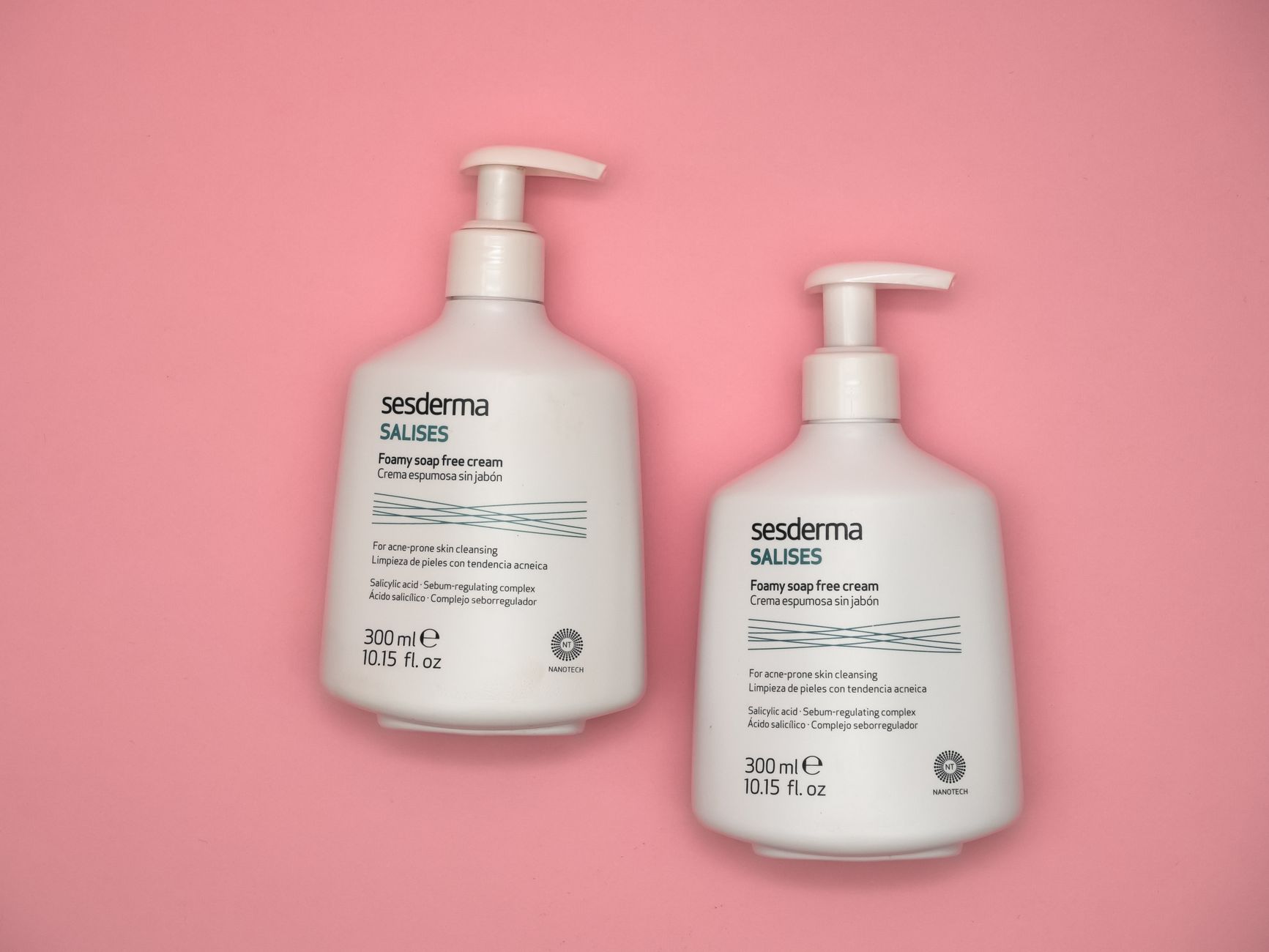
Hormonal acne follows a predictable pattern tied to androgens and the menstrual cycle, requiring different treatment than standard acne.
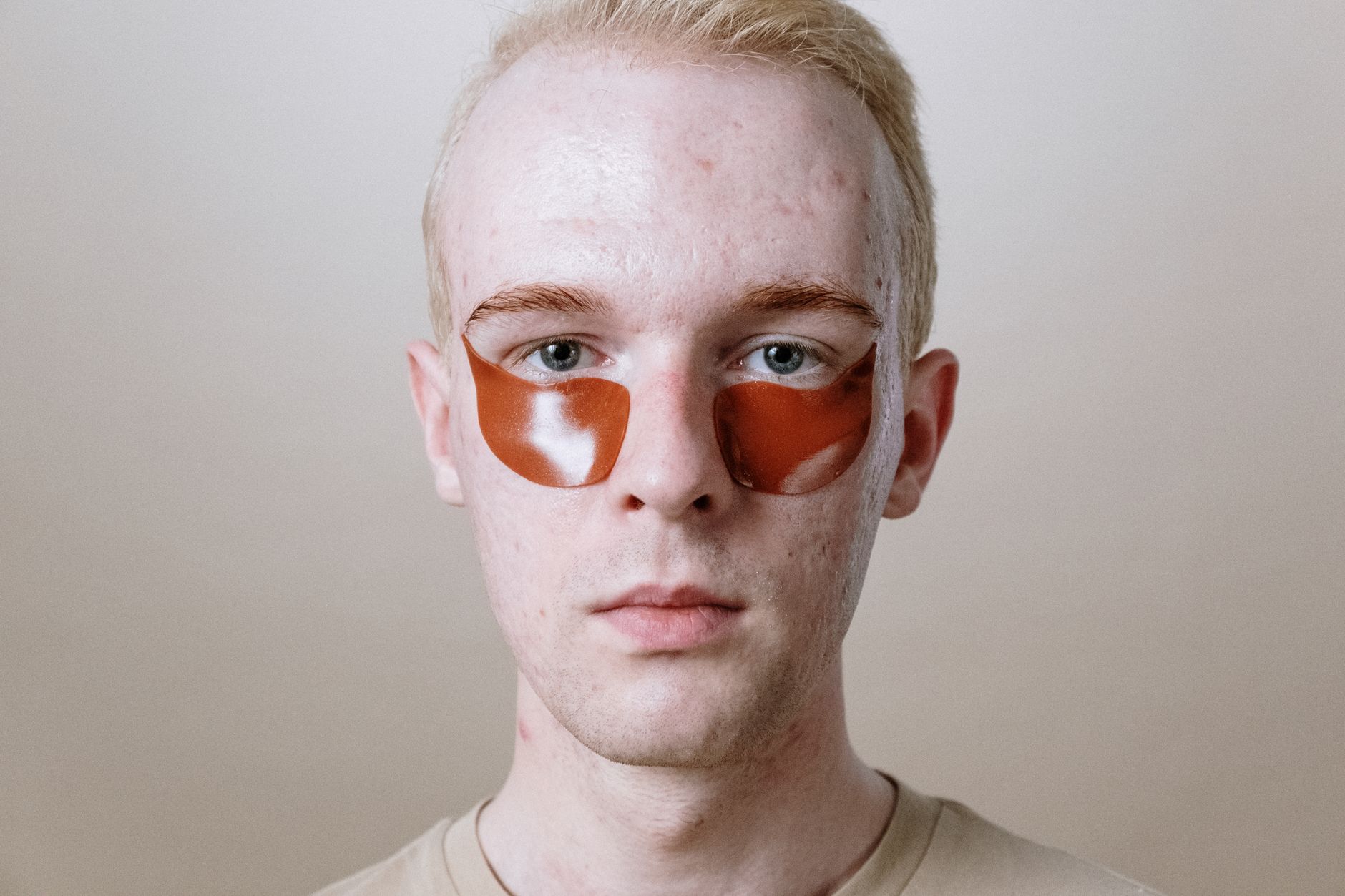
Acne flare-ups stem from predictable biological triggers—most are controllable with targeted prevention strategies and the right skincare choices.
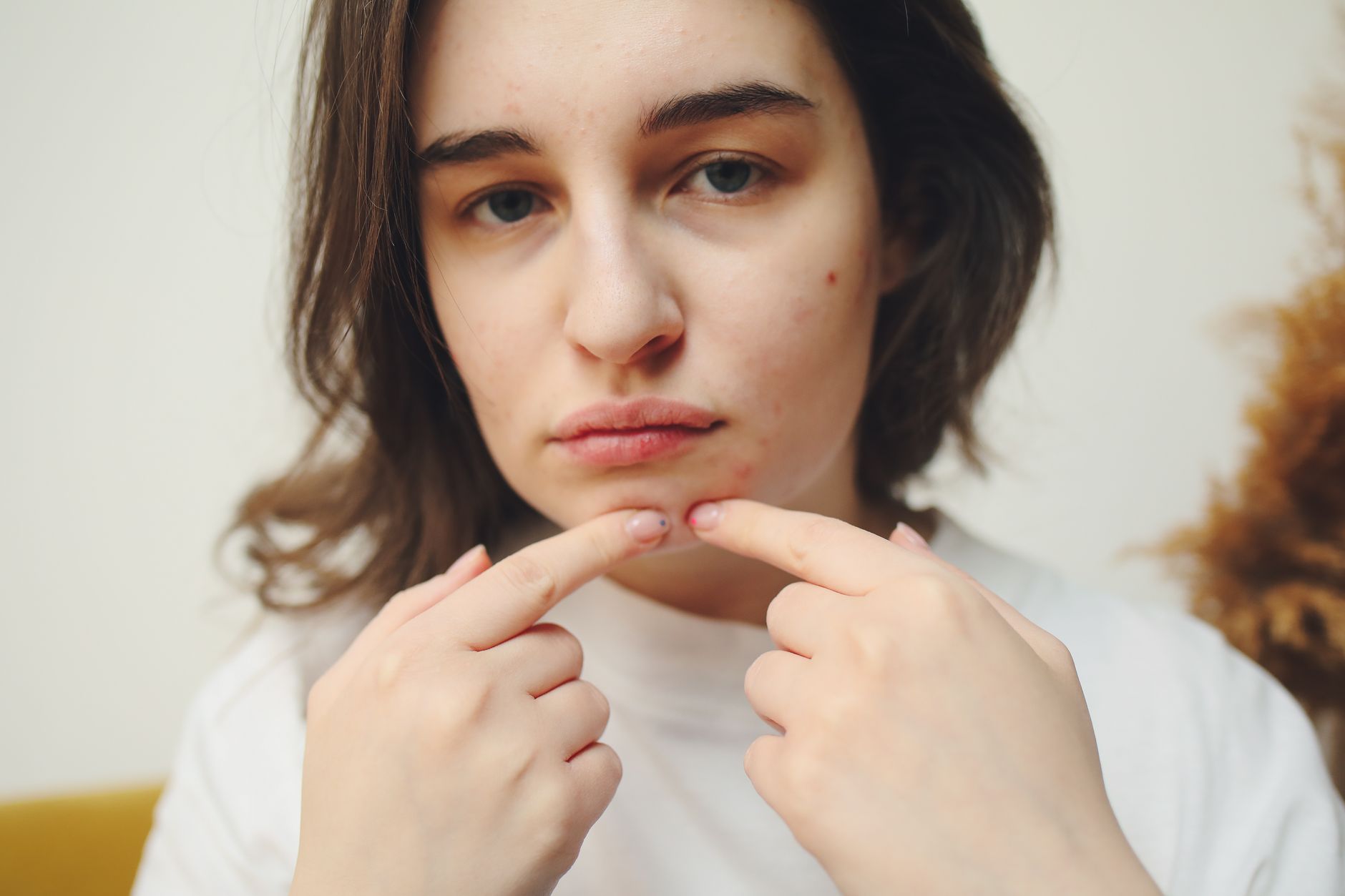
Adult acne responds best to targeted treatment addressing its specific cause—whether bacterial, hormonal, inflammatory, or lifestyle-driven.

Accutane patients on cloudy days skip sunscreen at their own risk—UV rays penetrate clouds, and photosensitive skin suffers permanent damage.

Your morning skincare routine should include SPF protection year-round, even when skies are grey and the sun seems far away.

A striking gap exists between what healthcare workers with maskne know and what they should know about sun protection.

Patients on Accutane (isotretinoin) face one of the most demanding sun protection requirements of any medication.
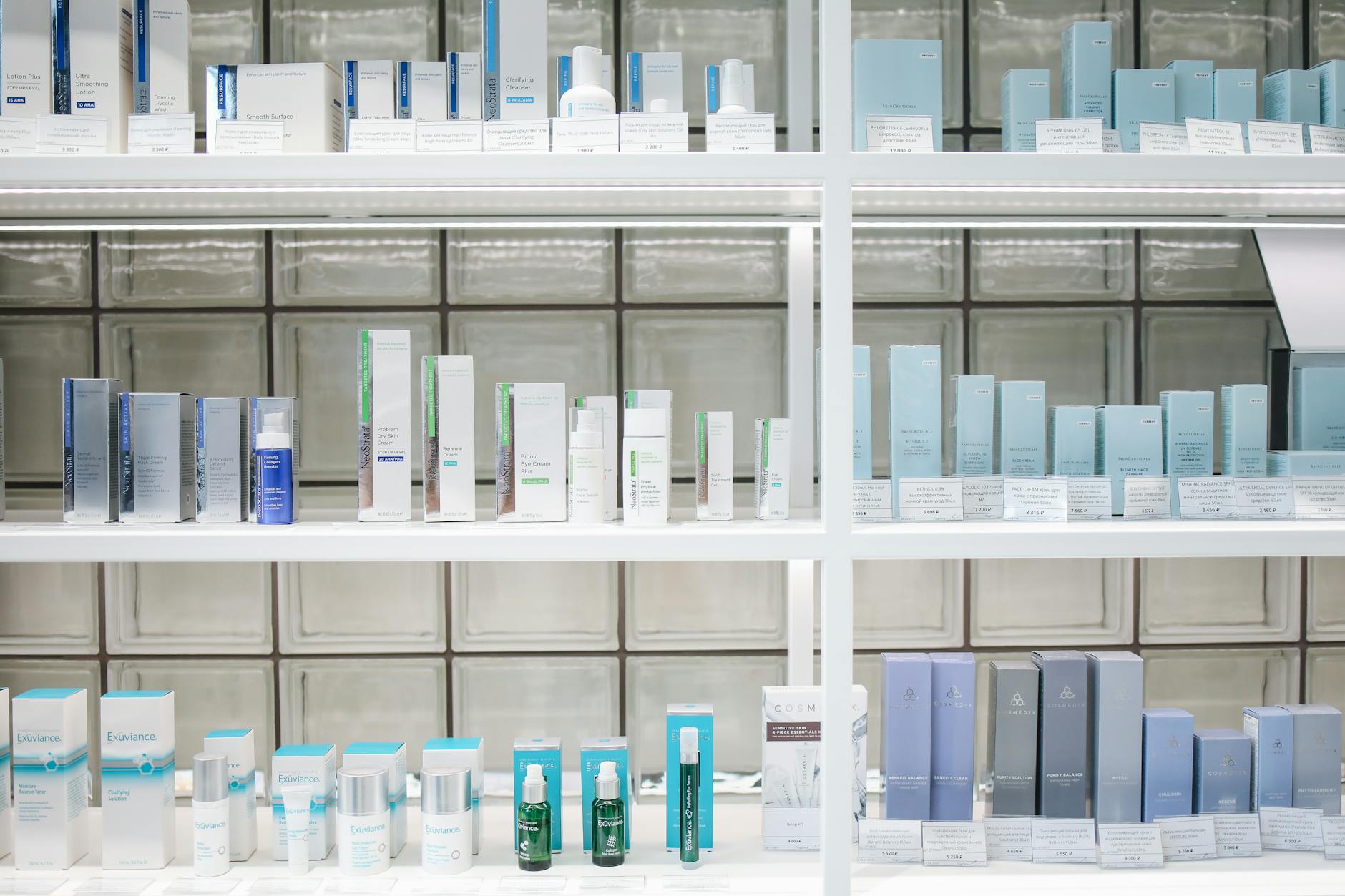
At least 52% of skincare consumers have recognized that daily SPF protection should be a non-negotiable part of their morning routine, regardless of…

A substantial gap exists in sun protection knowledge among healthcare workers dealing with maskne, with at least 43% failing to incorporate SPF into their…