
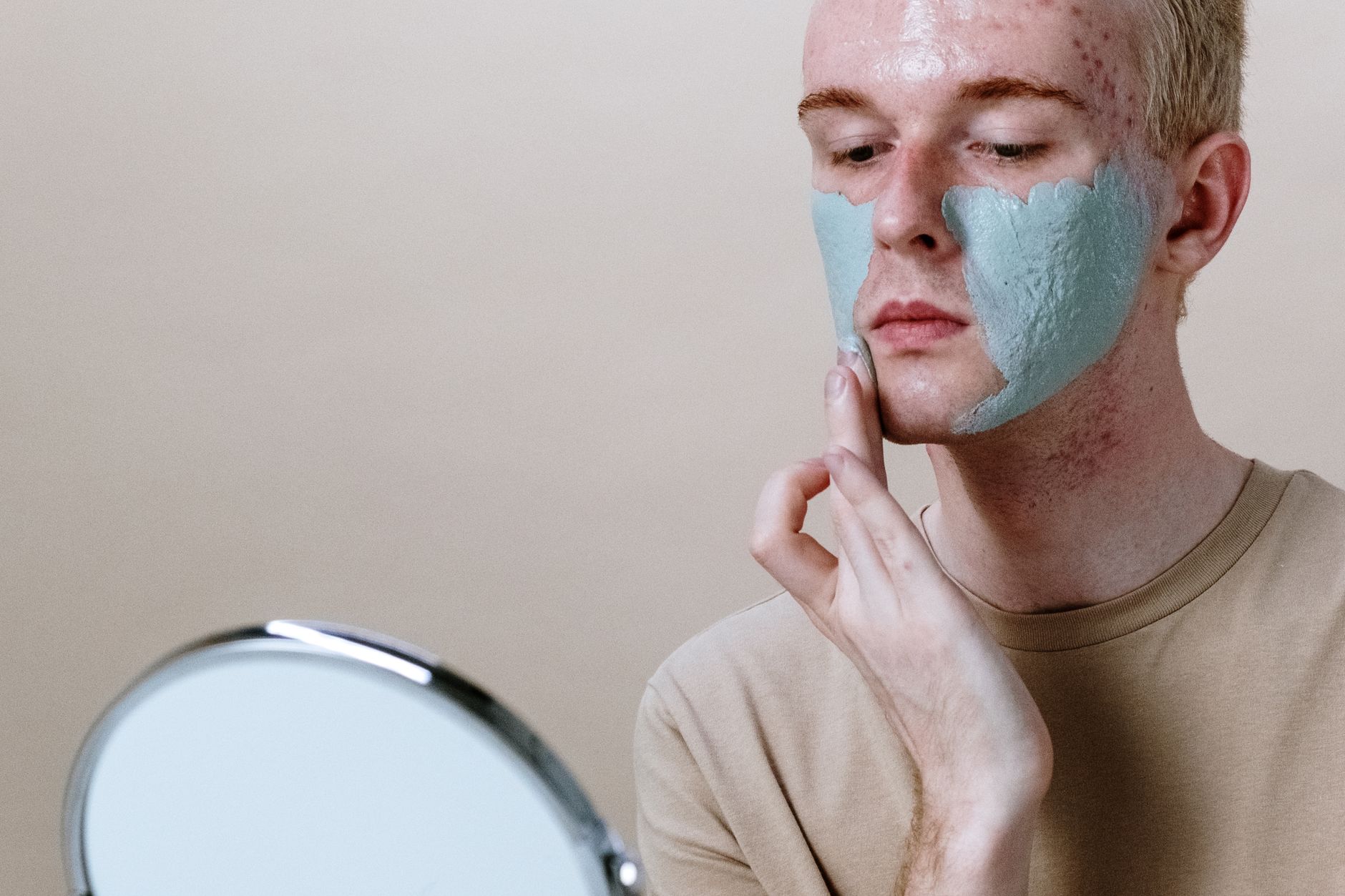
For back-to-school acne care, dermatologists commonly recommend a simple drugstore routine built around a gentle cleanser, a noncomedogenic moisturizer, broad-spectrum SPF 30 or higher, and one proven acne treatment such as benzoyl peroxide, salicylic acid, or adapalene. A practical example is a fragrance-free cleanser and lightweight moisturizer every morning, followed by sunscreen, with a thin layer of adapalene at night for persistent clogged pores and pimples. The best choice depends on the acne pattern. Benzoyl peroxide is especially useful for inflamed red pimples, salicylic acid can help clear oily, congested pores, and adapalene treats and helps prevent several types of acne.
Using all three immediately can leave a teen’s face dry, stinging, and harder to cover comfortably during the school day, so it is usually better to introduce one active ingredient at a time. School schedules also reward consistency over complexity. A three-step routine that fits beside a toothbrush is more likely to be followed than a crowded shelf of toners, scrubs, masks, and spot treatments. Deep, painful bumps, spreading scars, or acne that is affecting a teen’s confidence warrant professional medical care rather than another round of product experimentation.
Medical information disclaimer: This article is for general educational purposes only and does not provide medical advice, diagnosis, or treatment. Always consult a physician or other qualified health professional about symptoms, medications, tests, or treatment decisions.
Table of Contents
- Which Drugstore Products Do Dermatologists Recommend for Teen Acne?
- Benzoyl Peroxide, Salicylic Acid, or Adapalene for Different Breakouts
- Building a School-Morning and Bedtime Acne Routine
- How to Start Acne Products Without Irritating the Skin
- Common Back-to-School Acne Mistakes and Product Conflicts
- Sports, Makeup, Hair Products, and Locker-Room Breakouts
- When Drugstore Acne Treatment Is Not Enough
- Frequently Asked Questions
Which Drugstore Products Do Dermatologists Recommend for Teen Acne?
A basic routine starts with a mild facial cleanser labeled fragrance-free, noncomedogenic, or suitable for sensitive skin. Examples commonly found in drugstores include CeraVe Foaming Facial Cleanser, Cetaphil Daily Facial Cleanser, and Vanicream Gentle Facial Cleanser. A foaming formula may feel better on very oily skin, while a creamier cleanser is often less drying for teens who use prescription treatments or live in a cold climate. For treatment, look at the active ingredient rather than promises on the front label. Benzoyl peroxide washes and gels, including PanOxyl and store-brand equivalents, target acne-causing bacteria and inflammation.
Salicylic acid cleansers from brands such as Neutrogena, CeraVe, and La Roche-Posay help loosen material inside pores. Differin Gel contains adapalene, a topical retinoid available without a prescription in the United States for acne in people age 12 and older. Moisturizer and sunscreen are treatment-support products, not optional extras. Lightweight lotions from CeraVe, Cetaphil, Vanicream, and similar drugstore lines can reduce peeling without adding heavy fragrance. For daytime, choose a broad-spectrum, water-resistant SPF 30 or higher that the teen will actually wear; a clear gel may suit oily skin, while a moisturizing lotion can offset dryness from acne medication.
Benzoyl Peroxide, Salicylic Acid, or Adapalene for Different Breakouts
Benzoyl peroxide is a strong first choice for red, tender pimples and pus-filled spots. Lower-strength products may work with less irritation than stronger versions, so beginning with a modest concentration is reasonable. A wash can be easier to tolerate because it is rinsed off, whereas a leave-on gel has longer contact with the skin but may cause more dryness. Salicylic acid is often better suited to blackheads, whiteheads, and an oily T-zone.
It can be used in a cleanser or leave-on treatment, but combining multiple salicylic acid products rarely improves results enough to justify the extra irritation. Teens with aspirin sensitivity or certain medical conditions should ask a clinician before using salicylate-containing products broadly. Adapalene helps keep pores from clogging and can address both comedonal and inflammatory acne, but it works as a preventive treatment rather than a one-night spot fix. Apply a pea-size amount across the entire acne-prone area, not a separate pea-size dab on every blemish. Early dryness or an apparent flare can occur, and topical retinoids should be discussed with a healthcare professional during pregnancy or when pregnancy is possible.
Building a School-Morning and Bedtime Acne Routine
A manageable morning routine might be: wash gently, apply a light moisturizer if needed, and finish with sunscreen. If inflammatory acne is the main problem, a benzoyl peroxide cleanser can replace the plain cleanser several mornings per week. Letting it sit briefly before rinsing may improve contact, but leaving it on much longer can increase irritation without fitting comfortably into a rushed school morning. At night, cleanse away sunscreen, makeup, sweat, and excess oil without scrubbing.
A teen beginning adapalene might apply it two or three nights per week, followed by moisturizer, and increase gradually as tolerated. For example, using it on Monday, Wednesday, and Friday is easier to track than applying it randomly whenever a breakout looks worse. A “moisturizer sandwich”—moisturizer, adapalene, then another light layer of moisturizer—can make a retinoid easier to tolerate on sensitive skin. The tradeoff is that heavier layering may feel greasy for some teens. Applying adapalene to fully dry skin and avoiding the eyelids, corners of the nose, and lips can also reduce stinging.
How to Start Acne Products Without Irritating the Skin
Introduce one treatment active at a time and give the skin time to show how it responds. If a teen starts benzoyl peroxide, salicylic acid, and adapalene during the same weekend, it becomes nearly impossible to identify which product caused burning or peeling. Starting with a gentle base routine for several days, then adding one acne treatment, makes troubleshooting much easier. Short-contact products generally trade some convenience or intensity for better tolerability.
A benzoyl peroxide wash may be less irritating than a leave-on gel, while a leave-on treatment may be more useful for stubborn areas. Adapalene applied on alternating nights is often easier to manage than nightly use at the beginning, even though the routine may take longer to reach full frequency. Patch testing can reveal immediate irritation, but it cannot predict every delayed reaction. Try a small amount along the jaw or on another limited acne-prone area before applying it widely. Stop using a product and seek urgent medical help for facial swelling, trouble breathing, faintness, or widespread hives; these are not normal signs that a treatment is “working.”.
Common Back-to-School Acne Mistakes and Product Conflicts
Harsh scrubs, cleansing brushes, alcohol-heavy toners, and repeated face washing can damage the skin barrier. Acne is not caused by dirty skin, and washing more than twice daily—apart from rinsing after heavy sweating—may leave the face red and tight. Picking pimples before picture day can also increase swelling, discoloration, and the risk of permanent scarring. Stacking active ingredients is another frequent problem.
A salicylic acid cleanser, benzoyl peroxide toner, adapalene gel, and exfoliating mask may all target acne, but together they can produce dermatitis that looks like worsening breakouts. If combination treatment is needed, separating products by time—such as benzoyl peroxide in the morning and adapalene at night—may be more tolerable, although sensitive skin may still require less frequent use. Benzoyl peroxide can bleach towels, pillowcases, collars, and dark uniforms. Wash hands after application, allow the product to dry before dressing, and use white towels or linens when possible. Retinoids and exfoliating acids can also make irritated skin less comfortable in sunlight, which makes daily sunscreen and shade especially important during outdoor practices.
Sports, Makeup, Hair Products, and Locker-Room Breakouts
Sweat itself does not need to be scrubbed away, but tight helmets, chin straps, shoulder pads, and headbands can trap heat and friction against the skin. Clean shared or reusable equipment according to its instructions, change out of damp clothing, and gently cleanse after practice. A soccer player with forehead bumps, for example, may benefit from washing the headband regularly and keeping oily hair products away from the hairline.
Choose makeup, sunscreen, and styling products labeled noncomedogenic or oil-free, while recognizing that these labels do not guarantee compatibility with every person’s skin. Remove makeup before bed with a gentle cleanser; stubborn waterproof products may require micellar water or a mild cleansing balm first. Pomades and heavy conditioners can contribute to small bumps along the forehead, temples, neck, and upper back.
When Drugstore Acne Treatment Is Not Enough
Schedule a dermatology or primary-care visit for deep nodules, painful cysts, acne that is leaving pits or raised scars, or breakouts that do not improve despite consistent treatment. Early care matters because a drugstore spot treatment cannot reverse an established scar. Acne that begins suddenly after a new medication or appears with irregular periods, excess facial hair, or other hormonal symptoms also deserves medical evaluation.
Emotional effects count as a reason to seek help. A teen who avoids class, sports, photographs, or friends because of acne may need faster, more individualized treatment and support. A clinician can adjust topical therapy, prescribe oral medication when appropriate, evaluate look-alike conditions such as folliculitis or perioral dermatitis, and provide a plan that accounts for eczema, allergies, or other health conditions.
Frequently Asked Questions
How quickly should a drugstore acne product work?
Acne treatments generally require consistent use over several weeks rather than several days. Irritation may appear before improvement, but severe burning, swelling, blistering, or hives is a reason to stop and obtain medical advice.
Can a teen use benzoyl peroxide and adapalene together?
They are often used in the same acne plan, but beginning both at full frequency can be irritating. One practical approach is benzoyl peroxide in the morning and adapalene at night, introduced gradually with moisturizer.
Should acne medication be applied only to visible pimples?
Preventive treatments such as adapalene are typically spread in a thin layer across the acne-prone area. A hydrocolloid patch may protect an individual surface-level pimple from picking, but it does not prevent new clogged pores elsewhere.
Is moisturizer safe for oily, acne-prone skin?
Yes. A lightweight, noncomedogenic moisturizer can reduce treatment-related dryness and help the skin tolerate acne medication. Very rich ointments may feel uncomfortable on an oily face, although they can be useful on small irritated areas such as the corners of the nose.
Are acne patches a replacement for benzoyl peroxide or adapalene?
No. Plain hydrocolloid patches can absorb fluid and discourage touching, but they do not treat widespread blackheads, deep cysts, or the process that creates new acne. Medicated patches may also irritate skin if combined with other active products.