
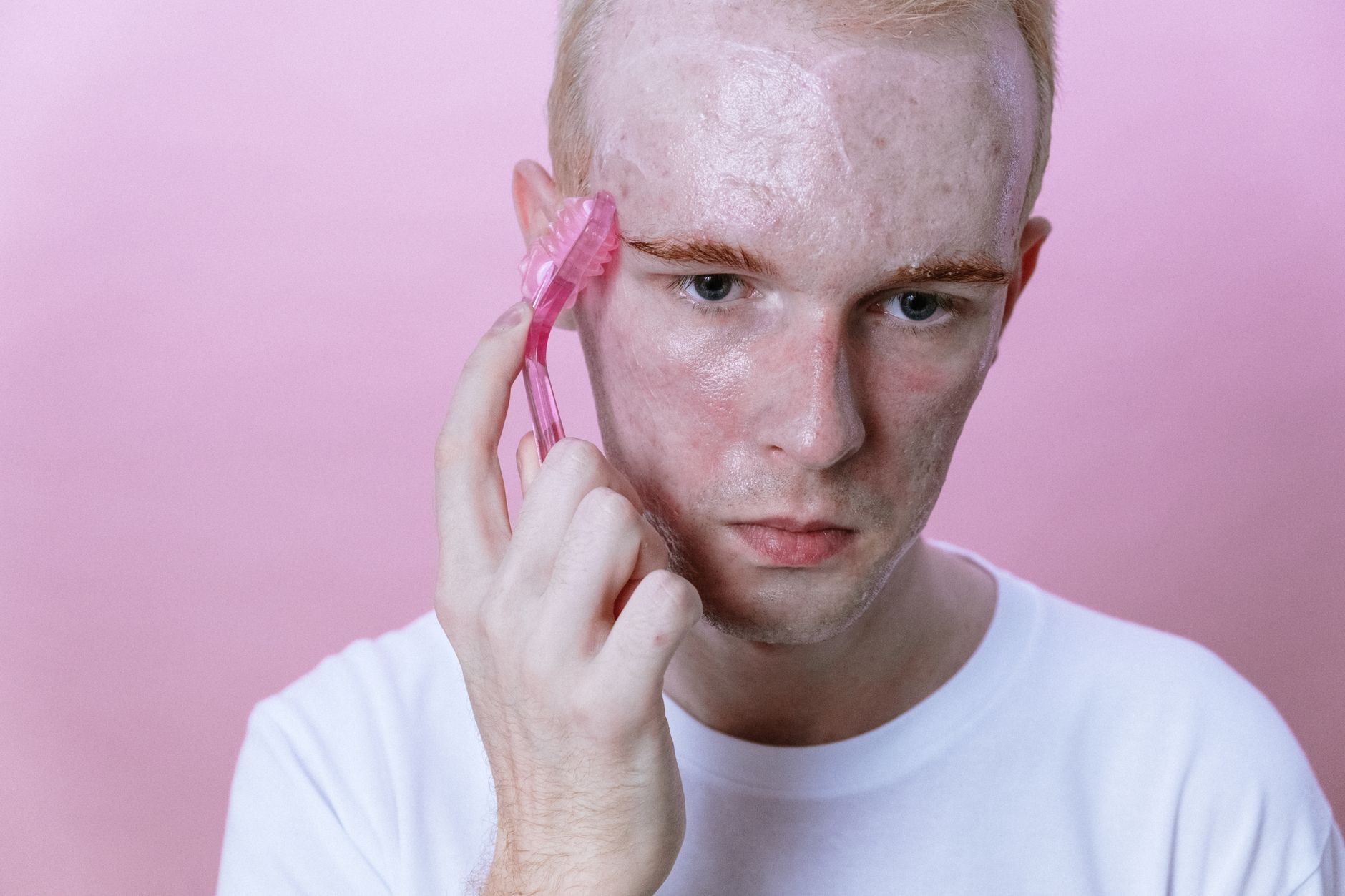
Yes, dermatologists consistently see an uptick in acne cases during summer months, and the culprits are well understood: heat, humidity, and the challenge of finding acne-safe sun protection. When temperatures rise and humidity levels climb, your skin responds by producing more sebum, your sweat glands work overtime, and the warm, moist environment becomes an ideal breeding ground for acne-causing bacteria. A teenager on vacation from school might notice new breakouts appearing within the first week of summer, despite having clearer skin during cooler months—a pattern dermatologists recognize repeatedly in their practices.
The issue is compounded by the fact that you cannot simply skip sunscreen to prevent breakouts. Instead, you must navigate a narrow path between two competing skin needs: protecting against UV damage and sun-induced inflammation on one hand, and preventing pore-clogging, bacteria-promoting occlusion on the other. Understanding what happens to your skin in summer heat is the first step toward managing acne during these months, rather than accepting breakouts as an inevitable seasonal consequence.
Table of Contents
- How Does Summer Heat and Humidity Trigger Acne Flares?
- Why Sunscreen Often Triggers Breakouts in Warm Weather
- The Sweat-Bacteria-Pore Congestion Cycle
- Selecting Sunscreens Formulated for Acne-Prone Skin
- The Problem of Sunscreen Buildup and Incomplete Cleansing
- How Humidity Disrupts the Skin Barrier and Moisture Balance
- Practical Adjustments to Your Summer Skincare Routine
- Frequently Asked Questions
How Does Summer Heat and Humidity Trigger Acne Flares?
Heat accelerates sebaceous gland activity, causing your skin to produce more sebum—the natural oil that protects your skin but also clogs pores when produced in excess. This increase in oil production is a physiological response to elevated temperatures, not a sign that you are doing anything wrong. Simultaneously, humidity prevents sweat from evaporating efficiently from your skin’s surface, creating a persistently moist microclimate.
This combination of increased oil and trapped moisture creates an environment where Cutibacterium acnes (the bacterium primarily responsible for acne) thrives and proliferates. Sweat itself is not acnegenic, but it becomes problematic when mixed with oil, dead skin cells, and bacteria already present on your skin. The constant moisture also causes skin cells to swell slightly, which can narrow pore openings and make them more prone to blockage. A person moving from a dry climate to a humid coastal city often experiences an initial surge in breakouts, even if they have not changed their skincare routine, because their skin is adjusting to the new environmental conditions.
Why Sunscreen Often Triggers Breakouts in Warm Weather
Sunscreen sits on top of your skin as a protective barrier, and most formulations—whether mineral, chemical, or hybrid—create some degree of occlusion. Occlusion means the product seals moisture and heat against your skin, preventing normal evaporation and creating a warm, moist microenvironment where bacteria multiply. Some people develop breakouts specifically from the occlusive effect of sunscreen, while others react to specific ingredients like certain UV filters or silicones commonly found in these products. The type of sunscreen matters considerably.
Mineral sunscreens (zinc oxide and titanium dioxide) tend to be thicker and more occlusive but generally do not irritate acne-prone skin chemically. Chemical sunscreens absorb into the skin more readily and are usually lighter, but some contain ingredients like avobenzone or oxybenzone that can trigger breakouts in sensitive individuals. Combination or hybrid sunscreens attempt to balance protection and texture but do not universally solve the problem. A person with rosacea and acne-prone skin might find that a lightweight chemical sunscreen irritates their rosacea while a thicker mineral formulation exacerbates their acne—forcing difficult product compromises.
The Sweat-Bacteria-Pore Congestion Cycle
Sweat creates an ideal environment for bacterial overgrowth not because sweat itself contains bacteria, but because it provides moisture and nutrients in a warm setting. Your skin’s normal bacterial flora, including Cutibacterium acnes, consume components of sweat and sebum, releasing inflammatory byproducts that trigger acne lesions. Friction from sweaty clothing, sports equipment, or even a backpack strap intensifies this process, as the friction damages the skin barrier and allows bacteria to penetrate more easily.
Heat also dilates blood vessels and increases blood flow to the skin, which can worsen inflammation if acne lesions are already present. Someone who exercises outdoors in summer may experience breakouts not only from the sweat and friction but also from the combination of exertion, elevated body temperature, and sun exposure all happening simultaneously. Rinsing off immediately after sweating is often impossible during the day, so sweat, oil, and bacteria remain on the skin for hours, deepening pore congestion.
Selecting Sunscreens Formulated for Acne-Prone Skin
Not all sunscreens are equally problematic for acne-prone skin. Some dermatologists recommend lightweight, gel-based chemical sunscreens with SPF 30 or higher as a compromise for people who find mineral sunscreens too heavy. Others suggest acne-safe mineral sunscreens specifically formulated with skin-soothing ingredients like niacinamide or zinc, which may actually help calm acne rather than aggravate it.
The trade-off is that truly acne-safe formulations are often more expensive and harder to find than standard sunscreens. Water-resistant sunscreens provide necessary protection during swimming or heavy sweating but accumulate on the skin more readily than regular formulations, making thorough cleansing more challenging at the end of the day. A surfer or swimmer might need to reapply sunscreen multiple times daily, leading to product buildup unless they can wash and reapply rather than simply adding more layers. For people with moderate acne, this accumulation problem can be as significant as the initial sun protection.
The Problem of Sunscreen Buildup and Incomplete Cleansing
Water-resistant and long-wearing sunscreens are designed to stay on your skin, which means they do not rinse away with water alone. If you do not thoroughly cleanse at the end of the day, these products remain on your skin overnight, occluding pores for eight or more hours. This extended occlusion significantly increases the risk of congestion and bacterial overgrowth.
Many people cleanse their face in the morning or after exercise with only a quick water rinse, not realizing they are leaving an occlusive layer behind. Double cleansing—using an oil or balm cleanser followed by a water-based cleanser—is often recommended for removing stubborn sunscreen, but this approach requires discipline and time that many people do not have during a busy summer day. The alternative is accepting that some buildup will occur, which increases breakout risk. Someone who applies sunscreen in the morning, reapplies at midday, and does not have access to a shower until evening faces the most severe accumulation problem.
How Humidity Disrupts the Skin Barrier and Moisture Balance
While moisture sounds beneficial for skin, excess external humidity actually disrupts the skin’s natural ability to regulate its own moisture balance. When the air is already saturated with moisture, your skin cannot effectively evaporate sweat and water from its surface, leading to maceration—a state in which skin becomes overly soft and waterlogged.
This hyperhydration swells skin cells and makes the skin barrier less effective at keeping bacteria out. Paradoxically, when skin is constantly exposed to high humidity and cannot dry properly, it sometimes responds by producing even more oil to compensate for perceived dryness at the cellular level. This creates a cycle where skin becomes simultaneously oily, congested, and prone to breakouts throughout the summer months.
Practical Adjustments to Your Summer Skincare Routine
If you are experiencing an acne surge in summer, consider adjusting your routine before the season begins rather than reacting after breakouts develop. This might mean switching to a lightweight cleanser, changing your sunscreen, reducing the number of active ingredients you use (since heat and humidity increase skin sensitivity), and committing to cleansing twice daily. Some dermatologists recommend using a chemical exfoliant containing salicylic acid in summer to help prevent the pore congestion that heat and humidity promote, though this strategy requires careful monitoring to avoid over-exfoliation.
Timing matters as well. If you exercise regularly, prioritize cleansing as soon as possible after sweating rather than waiting until evening. Carrying facial wipes or a portable cleanser for midday use can make a meaningful difference, even if a full shower is not available. For people who experience only mild seasonal increases in acne, these environmental adjustments alone may be sufficient to prevent a full flare-up.
- —
Frequently Asked Questions
Can I skip sunscreen in summer to prevent acne breakouts?
No. UV exposure worsens acne inflammation and can trigger post-inflammatory hyperpigmentation, which is harder to treat than the acne itself. Instead of skipping sunscreen, switch to an acne-safe formulation and commit to thorough cleansing.
What is the best sunscreen for acne-prone skin?
This varies by individual, but lightweight gel-based chemical sunscreens or mineral sunscreens specifically formulated for acne-prone skin (often containing niacinamide or zinc) tend to cause fewer breakouts than heavy, fragrance-laden formulations. Test new products on a small area first.
Does salt water or chlorinated water help acne in summer?
Saltwater can initially feel drying, which some people find helpful, but it dries out the entire skin barrier, not just acne lesions. Chlorine is drying and irritating. Neither is a reliable acne treatment, and you still need to rinse and cleanse after swimming.
How often should I cleanse my face in summer?
Most dermatologists recommend cleansing twice daily—morning and evening—plus an additional rinse or cleanse after exercise or heavy sweating. Avoid over-cleansing with harsh products, which can trigger oil production rebound.
Can I use my regular acne medication during summer?
Yes, though heat and sun exposure may increase sensitivity to some ingredients like tretinoin or benzoyl peroxide. Apply these medications at night, use sunscreen consistently, and consider temporarily reducing frequency if your skin becomes irritated. Discuss adjustments with your dermatologist if breakouts worsen.
Should I stop using moisturizer in summer?
No. Even oily, acne-prone skin needs hydration. Switch to a lightweight, water-based moisturizer and apply it while your skin is still slightly damp from cleansing to lock in hydration without adding heaviness.