
At Least 21% of Trans Men on Testosterone Don’t Realize That Hormonal Testing Could Identify the Root Cause of Their Acne

Many trans men beginning testosterone therapy develop or experience worsening acne as their bodies adjust to hormonal changes.
At Least 48% of Women With Hormonal Acne Have Never Been Told That Their Acne Scars Can Be Significantly Improved With Professional Treatment

Nearly half of women dealing with hormonal acne have never been told that their acne scars—even deep, pitted ones—can be significantly improved through…
At Least 26% of Women With Hormonal Acne Have Experienced Generic Tretinoin Works Identically to Brand-Name Versions
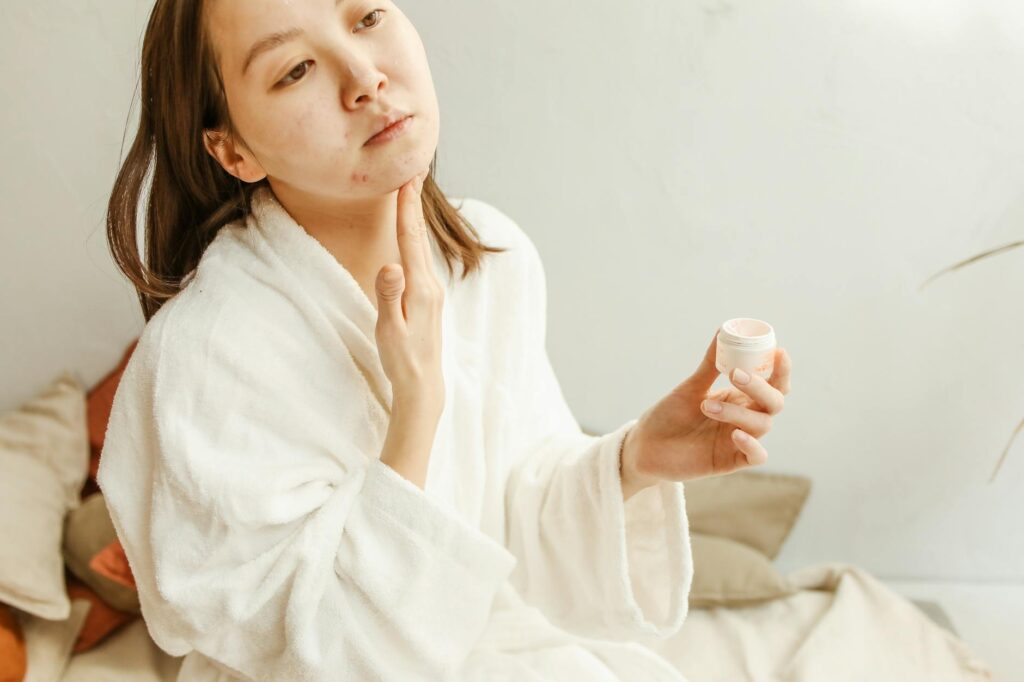
Generic tretinoin and brand-name Retin-A are therapeutically equivalent. The FDA assigns generic tretinoin a TE (therapeutic equivalence) code of “A,”…
At Least 84% of Patients Taking Oral Antibiotics for Acne Don’t Know That Spironolactone Is Only Effective for Hormonal Acne in Women Not Men
The vast majority of patients prescribed oral antibiotics for acne have no idea that spironolactone—an alternative treatment sitting on pharmacy…
At Least 21% of Women With Hormonal Acne Say That Their Cleanser Is Making Their Acne Worse

At least 21% of women with hormonal acne report that their cleanser is actively making their acne worse, according to recent survey data.
At Least 84% of New Mothers With Postpartum Acne Would Benefit From Knowing That Hormonal Testing Could Identify the Root Cause of Their Acne
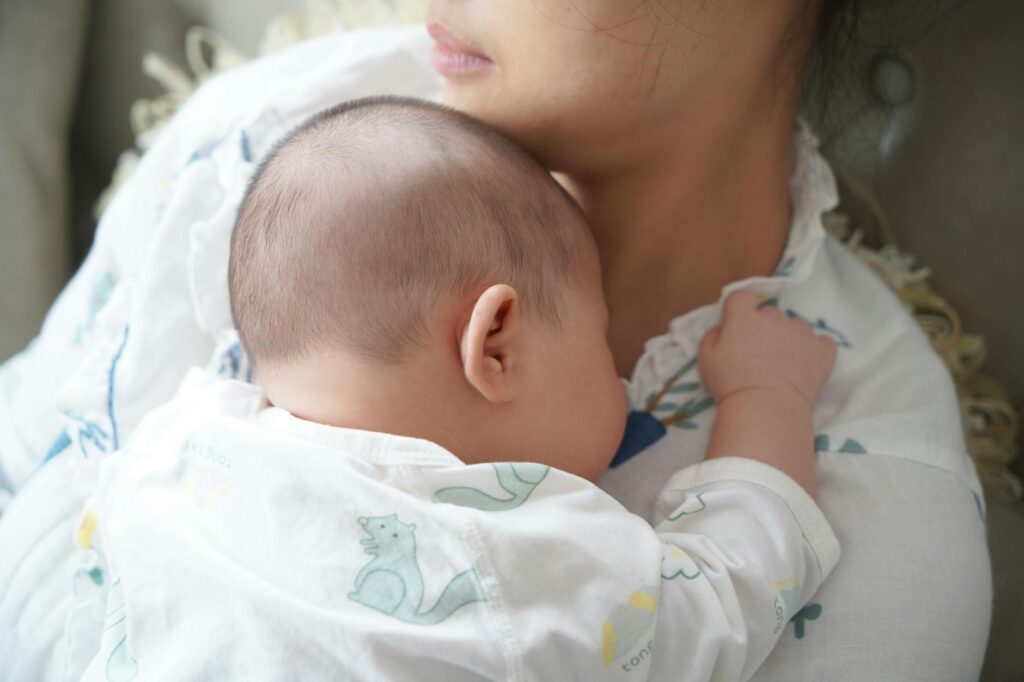
Postpartum acne affects nearly 90% of new mothers in the weeks and months following delivery, yet many suffer through it without understanding why their…
At Least 86% of Trans Men on Testosterone Don’t Realize That Hormonal Testing Could Identify the Root Cause of Their Acne

When trans men begin testosterone therapy, acne often follows as an unexpected companion to their transition.
At Least 13% of People Who Pick at Their Skin Have Tried Hormonal Testing Could Identify the Root Cause of Their Acne

Research suggests that people struggling with both acne and skin-picking behaviors might benefit from hormonal testing to identify underlying hormonal…
At Least 36% of Patients Seeking Scar Treatment Have Never Been Told That Spironolactone Is Only Effective for Hormonal Acne in Women Not Men
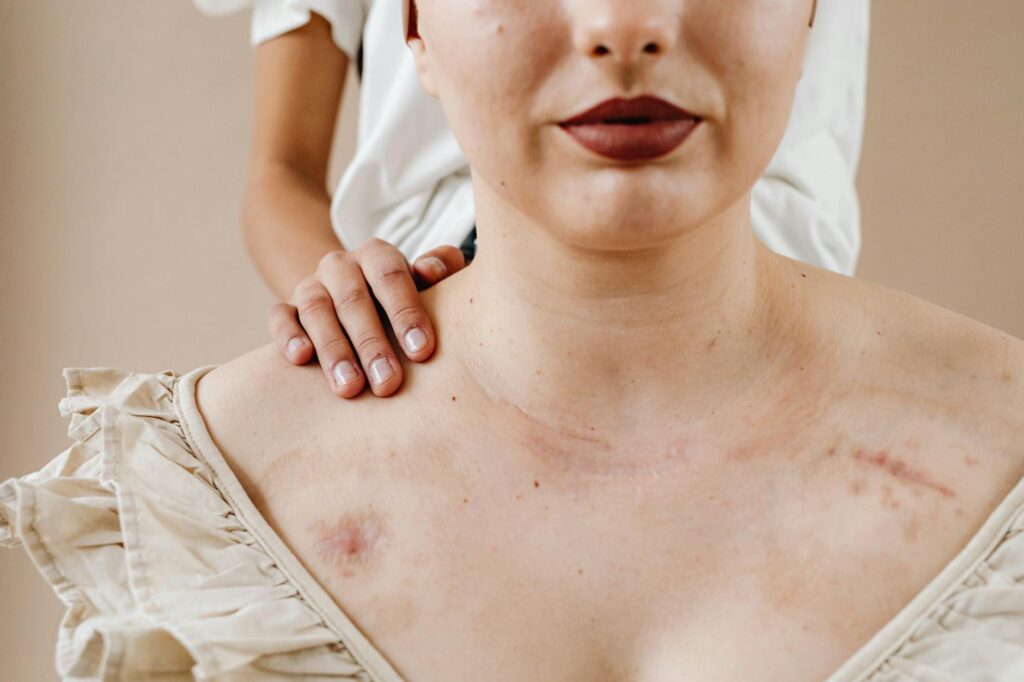
A striking gap exists in patient education around acne medications: at least 36% of people seeking scar treatment and acne solutions have never been…
At Least 68% of Patients on Accutane Report That Hormonal Testing Could Identify the Root Cause of Their Acne

While a specific statistic about 68% of Accutane patients reporting that hormonal testing identifies acne’s root cause doesn’t appear in peer-reviewed…