
Benzoyl Peroxide Serum vs Spot Treatment for a Single Pimple

Dot 2.5% gel on a single pimple and save serum for wider areas — see safe steps, side effects, and timelines.
Dot 2.5% gel on a single pimple and save serum for wider areas — see safe steps, side effects, and timelines.

Learn which vitamin C formulas irritate cysts and how to switch to gentler options safely.

Use 2-3 drops before moisturizer, start a few nights weekly, and tell purging from irritation fast.

Learn which retinoid fits your scar depth and skin sensitivity, plus how to use it safely each night.
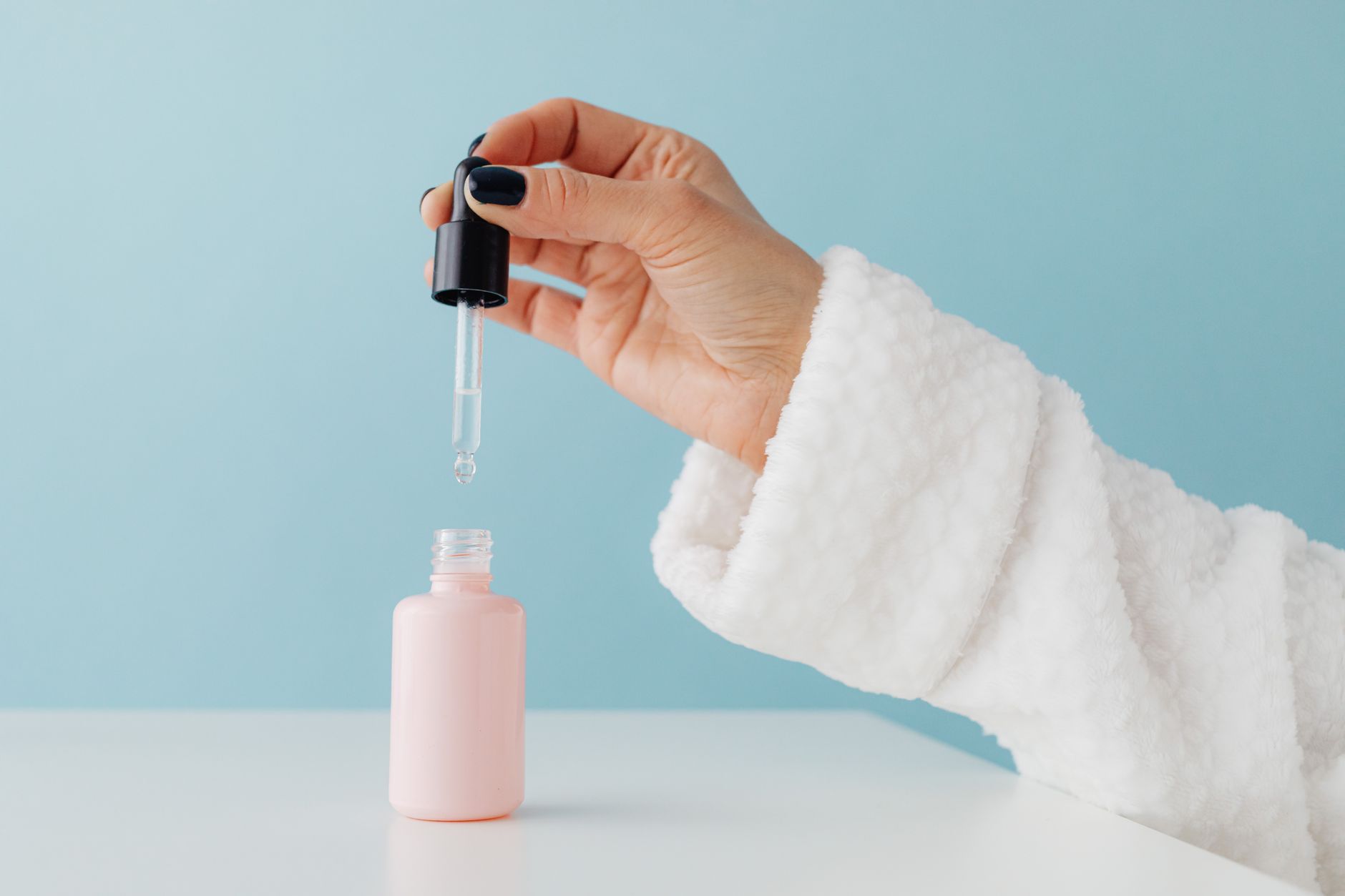
Niacinamide lowers oil and redness to prevent blemishes and keep pores clearer over time.

Learn the right strength, routine order, and limits for calmer, less oily acne-prone skin.

Use this checklist to track lesions, pick the right formula, and verify sunscreen and storage.

A 14-day healing gain is not pigment proof — see what to ask before CO2 laser for acne scars.

Learn how CE Ferulic aided 14-day laser healing and which sun steps best guard brown skin from dark marks.

Serum may speed CO2 healing, but skin of color needs strict sun care and expert settings to limit dark marks.