
Moisturizers and Acne FAQ for September 2026: Source-Checked Answers to Common Questions
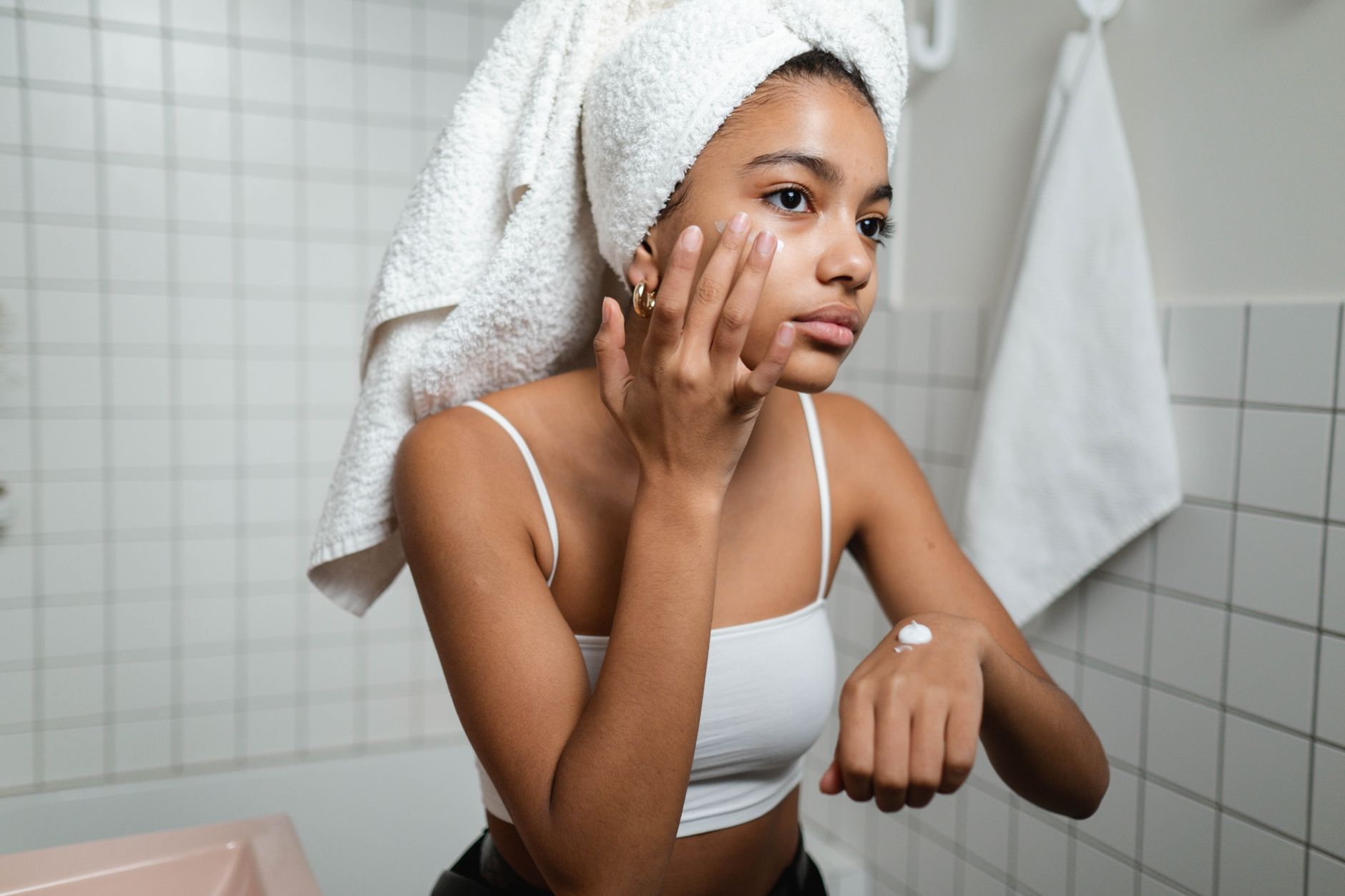
Water-based, non-comedogenic moisturizers reduce acne severity and allow acne medications to work without excessive irritation.
Water-based, non-comedogenic moisturizers reduce acne severity and allow acne medications to work without excessive irritation.

Moisturizers improve acne treatment adherence, but “non-comedogenic” labels lack proof and ingredient lists don’t predict your skin’s response.
Differin Epiduo’s OTC approval and dermatology’s new focus on combination therapy plus barrier-supporting moisturizers reshape acne treatment in September 2026.
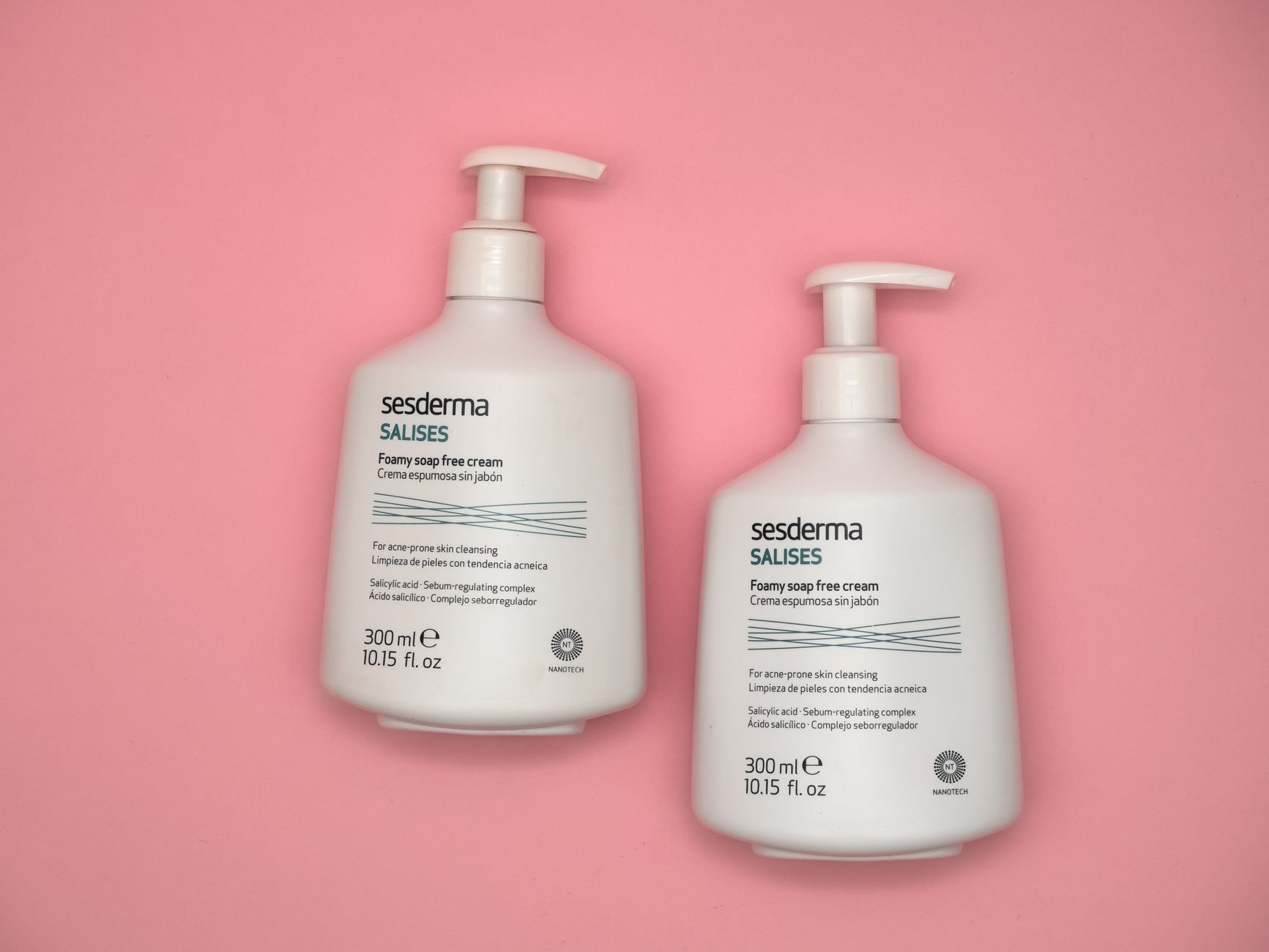
Apply ceramide-rich cream to damp skin immediately after cleansing to stop fall’s dehydration-acne cycle before it worsens.

A stinging moisturizer on dry acne skin signals barrier damage from dehydration, not a moisturizer problem—here’s how to rebuild and treat safely.
Learn what changed in acne care, how moisturizer may ease treatment irritation, and where the 2026 evidence stops.
The 74% claim linking failed acne treatment to comedogenic moisturizers lacks scientific verification, but real research shows the problem is still widespread.

TULA’s hydrating moisturizers in Prime exclusive deals offer probiotic-based hydration for acne-prone skin, but savings vary and don’t guarantee the lowest price available.

The specific statistic about moisturizers is unverifiable, but the underlying problem is real—and fixable with the right product choices.

While the specific statistic about 39% of skin pickers using moisturizers with comedogenic ingredients isn’t verifiable through current research, the…