
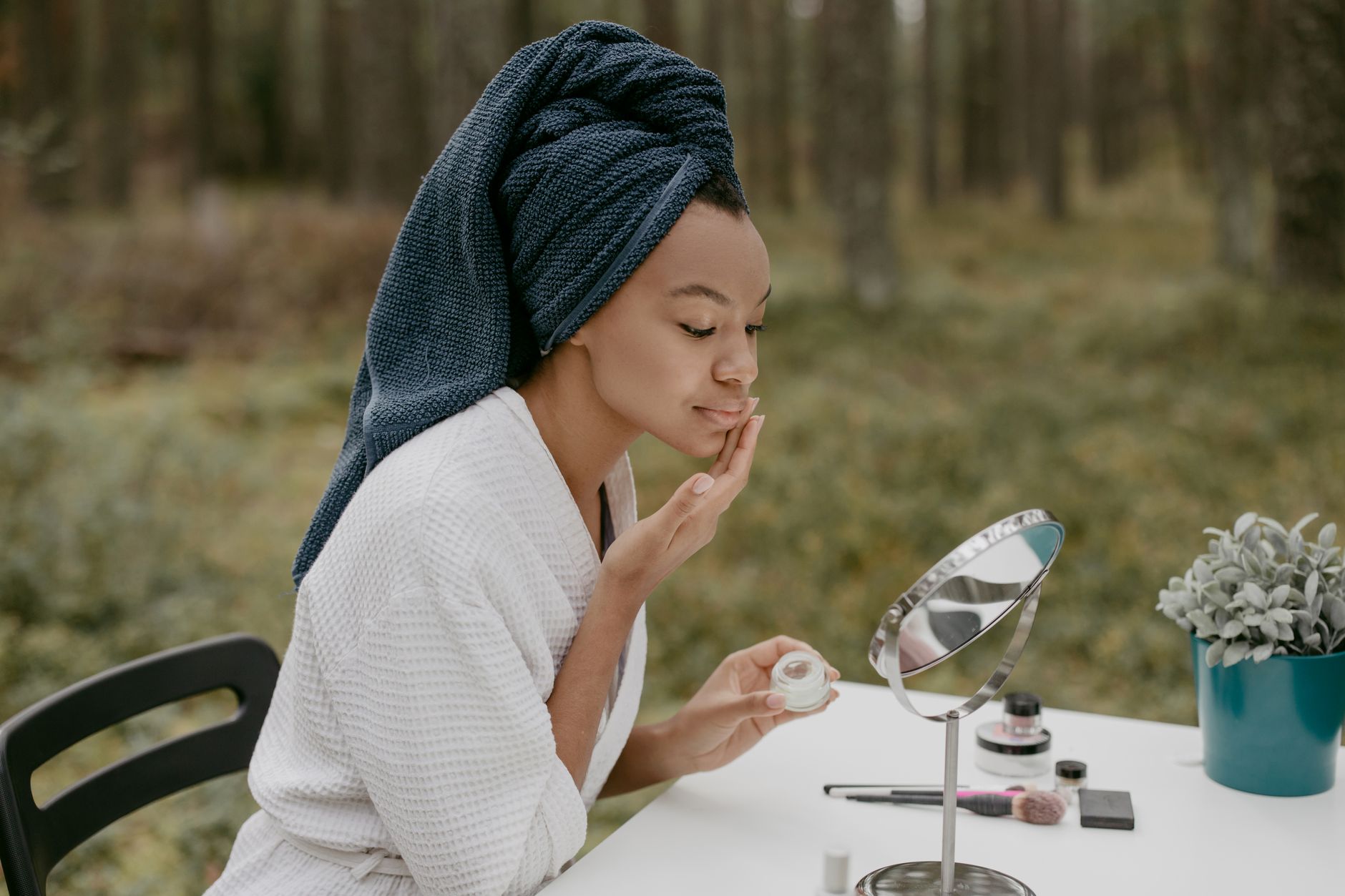
The most common skincare mistake triggering summer acne is continuing a winter moisturizing routine without adjustment—layering heavy creams and occlusive products designed for cold months onto skin that’s now exposed to heat, humidity, and increased sebum production. When someone applies the same rich night cream or thick facial oil they used in January to their skin in July, they’re essentially suffocating their skin with ingredients it no longer needs, trapping bacteria and sweat beneath a barrier that was appropriate six months ago but is now counterproductive. The skin doesn’t simply adjust; it responds by becoming congested, which manifests as blackheads, whiteheads, and inflammatory acne across the T-zone and cheeks.
Beyond product weight, the second major mistake is abandoning cleansing discipline during summer. Many people assume that if their skin feels oily, they should use the gentlest cleanser possible, when in reality summer requires more frequent but still gentle cleansing to remove the combination of sweat, environmental debris, and excess oil that accumulates daily. A person wearing sunscreen, exercising outdoors, and sweating through humidity needs to cleanse more thoroughly than they did during winter, yet many either skip cleansing altogether or switch to products so mild they remove nothing.
Table of Contents
- Why Does Summer Heat Intensify Acne-Prone Skin?
- Heavy Moisturizers and Occluding Ingredients Trap Heat and Bacteria
- Sunscreen Application and Comedogenic Formulas
- How to Adjust Cleansing and Exfoliation for Summer Conditions
- Applying Active Ingredients During High Heat and Humidity
- Sweat, Sweat-Trapping Fabrics, and Body Acne
- When and How to Reintroduce Stronger Treatments Without Triggering Summer Flares
- Frequently Asked Questions
Why Does Summer Heat Intensify Acne-Prone Skin?
Summer heat triggers acne through multiple physiological changes that stack on top of each other. Warmer temperatures increase sebaceous gland activity—your skin produces more oil as a natural response to heat, regardless of your skin type. Combined with humidity, which prevents sweat and oil from evaporating as quickly, your skin becomes a breeding ground for bacteria. The bacteria that cause acne, particularly *Cutibacterium acnes*, thrive in warm, moist environments, which is exactly what summer provides.
Additionally, summer increases the likelihood of physical friction on skin. Tight clothing, backpack straps, sports equipment, and even phone screens pressed against the face create occlusion and heat, which accelerates bacterial colonization and inflammation. Someone who never had acne on their back during winter might develop body acne in summer simply from wearing a close-fitting sports bra or compression shirt while sweating. The mistake isn’t realizing that summer changes skin chemistry—it’s failing to adjust products and habits accordingly. Many people apply the same skincare routine from April to September without modification, which is like wearing the same winter coat into summer.
Heavy Moisturizers and Occluding Ingredients Trap Heat and Bacteria
Rich creams containing beeswax, shea butter, or heavy silicones that were beneficial during dry winter months become problematic in summer heat. These ingredients create a semi-occlusive seal on the skin, and while that prevents transepidermal water loss when you’re in a dry, heated home in winter, it traps heat and sweat against your skin when you’re outside in 85-degree weather with 70% humidity. The seal prevents sweat from evaporating efficiently, and that moisture underneath the cream layer becomes a perfect incubator for bacteria. A person using a heavy night cream year-round might notice their acne worsens specifically at night—the cream is applied to already-warm skin, and then they’re sleeping under blankets, which compounds the occlusion.
Some find that switching from a cream to a lightweight serum during summer months eliminates breakouts that seemed persistent during warmer months. The limitation is that truly acne-prone skin still needs hydration in summer; it’s not a matter of eliminating moisturizer entirely, but of choosing the correct weight and formulation for the season. Ingredients like dimethicone, which are excellent for wintertime barrier support, can be too occlusive for summer. Even hydrating ingredients like glycerin or hyaluronic acid can become problematic if they’re formulated in a heavy cream vehicle—the same ingredients in a lightweight gel or toner will hydrate without trapping heat.
Sunscreen Application and Comedogenic Formulas
Sunscreen is non-negotiable for skin health, but many sunscreens are formulated with occlusive, comedogenic ingredients that were designed before acne-prone skin became a central concern in the SPF market. Chemical sunscreens can work well for acne-prone skin if they’re formulated correctly, but mineral sunscreens—especially zinc oxide and titanium dioxide formulations—often contain heavy bases designed to ensure even coverage and water resistance. These bases frequently cause congestion in acne-prone individuals.
The mistake many people make is applying too much sunscreen in an attempt to ensure coverage, which increases the occlusive effect, or applying sunscreen over already-heavy moisturizers, creating multiple layers of products that trap heat and bacteria. Someone applying a rich moisturizer, then a primer, then a heavy mineral sunscreen, then foundation is creating a multi-layered barrier that’s actively promoting acne. A practical alternative is using a lightweight sunscreen gel or a chemical-based SPF formulated for acne-prone skin, then reapplying it midday with blotting papers rather than layering additional products on top. This requires more frequent reapplication but avoids the cumulative occlusion problem.
How to Adjust Cleansing and Exfoliation for Summer Conditions
Summer requires cleansing twice daily for acne-prone skin—morning and evening—to remove the accumulated sweat, oil, and environmental debris that heat and humidity create. However, the mistake many people make is switching from a gentle cleanser to an overly stripping one, which disrupts the skin barrier and can trigger more oil production as a compensatory response. A good summer cleanser for acne-prone skin removes impurities without leaving the skin feeling tight.
Exfoliation frequency often needs to increase slightly in summer because dead skin cells, sweat, and oil combine to create more clogging. However, there’s a tradeoff: over-exfoliating in heat can damage the skin barrier and trigger inflammation and more acne. A person who used a gentle exfoliant twice weekly in winter might benefit from increasing to three times weekly in summer, but increasing beyond that typically backfires. Physical exfoliants tend to be more problematic in summer because they can cause inflammation in an already-inflamed environment; chemical exfoliants like salicylic acid or lactic acid are often a better choice in warm months.
Applying Active Ingredients During High Heat and Humidity
Many acne sufferers make the mistake of continuing with their full active ingredient regimen—retinol, benzoyl peroxide, azelaic acid, salicylic acid—without recognizing that the combination of hot weather, increased sun exposure, and higher ingredient concentrations can trigger severe irritation and peeling. Retinol in particular is problematic during summer because it increases photosensitivity, and summer provides maximum UV exposure. The most common error is not reducing the frequency of strong actives during summer months.
Someone using benzoyl peroxide twice daily and retinol three nights per week in winter might need to reduce both frequencies in summer to avoid cumulative irritation that manifests as red, inflamed, peeling skin—ironically, irritated skin often develops acne as a secondary response to damage. A warning: reducing active ingredients should be done intentionally, not abruptly, and only if your skin is showing signs of irritation. Many dermatologists recommend using stronger actives only at night during summer, applying them to completely dry skin, and waiting at least ten minutes before applying other products to allow penetration before any occlusion.
Sweat, Sweat-Trapping Fabrics, and Body Acne
Summer acne isn’t limited to the face—it frequently appears on the chest, back, and shoulders where tight, non-breathable fabrics trap sweat and heat against the skin for hours. Someone who develops backne only during summer months is likely experiencing acne caused by friction, sweat occlusion, and bacterial overgrowth from synthetic or tight fabrics. The specific mistake is wearing the same clothing habits that work for winter into summer without adjusting for increased heat and sweating.
Breathable, moisture-wicking fabrics like cotton or technical fabrics designed for athletic wear allow sweat to evaporate rather than pool against skin. However, even moisture-wicking fabrics need to be changed promptly after sweating; leaving sweaty clothes on for hours after exercise actively promotes bacterial growth. Someone who showers immediately after exercising in summer will have significantly fewer body acne breakouts than someone who waits or continues wearing sweaty clothes while doing other activities.
When and How to Reintroduce Stronger Treatments Without Triggering Summer Flares
As summer ends and fall weather approaches, the mistake many people make is immediately reintroducing their full winter skincare routine and active ingredient regimen simultaneously, which can shock the skin and trigger a rebound flare. Skin that has adapted to lighter products and reduced active ingredients in summer needs a gradual transition back to richer formulations and higher concentrations of actives.
The transition should occur over 2-3 weeks, slowly increasing product weight and active ingredient frequency as temperatures drop and humidity decreases. Someone moving from summer into fall should first increase cleanser strength, then add back exfoliation frequency, then finally reintroduce retinol or other actives at their previous concentrations. A practical example: if you used benzoyl peroxide once nightly in summer, increase to five nights per week for one week, then six nights per week the next week, rather than jumping back to twice daily application immediately.
Frequently Asked Questions
Can I use my regular moisturizer in summer if it doesn’t feel heavy?
Product weight isn’t the only factor—formulation matters. Even a lightweight-feeling cream can be occlusive if it contains high concentrations of silicones or oils. Test by applying it to warm, recently-cleansed skin and observing whether your skin feels congested or clear after 30 minutes.
How often should I cleanse in summer if I have acne-prone skin?
Twice daily (morning and evening) is standard for acne-prone skin in summer. If you exercise or sweat heavily, cleanse immediately after, but avoid cleansing more than three times daily as this can disrupt the skin barrier.
Is chemical or mineral sunscreen better for acne-prone skin in summer?
Neither is universally better—it depends on formulation. Many mineral sunscreens are too occlusive for acne-prone skin, but some brands formulate them specifically for acne-prone individuals. Chemical sunscreens work well for most acne-prone skin if they’re lightweight and water-resistant.
Should I stop using retinol entirely during summer?
You don’t need to stop completely, but reduce frequency and always use it at night on completely dry skin. Some people switch to a gentler retinol alternative like retinol alternatives or azelaic acid during peak summer months.
Why does my acne flare specifically when I wear athletic wear?
The combination of moisture-trapping fabrics, prolonged sweat occlusion, friction, and delayed cleansing creates ideal conditions for bacterial overgrowth. Shower immediately after sweating and wear breathable fabrics to reduce this.
Can increasing water intake help summer acne?
Increasing water intake doesn’t directly reduce acne, but dehydration can impair skin barrier function and make acne-prone skin more irritable. Staying hydrated supports overall skin health but isn’t a primary acne treatment.