
At Least 72% of People Who Use OTC Acne Products Are Unaware That Combining Multiple Active Ingredients Can Destroy the Skin Barrier

The vast majority of people using over-the-counter acne products don’t realize they’re potentially damaging their skin.
At Least 69% of People Who Use OTC Acne Products Are Unaware That Combining Multiple Active Ingredients Can Destroy the Skin Barrier

Most people reaching for over-the-counter acne products aren’t thinking about the chemistry of what they’re applying to their skin.
At Least 80% of Night Shift Workers With Acne Have Tried Their Moisturizer Contains Comedogenic Ingredients

The claim that at least 80% of night shift workers with acne have used moisturizers containing comedogenic ingredients cannot be verified in current…
At Least 28% of Trans Men on Testosterone Have Never Been Told That Their Moisturizer Contains Comedogenic Ingredients

The specific claim that exactly 28% of trans men on testosterone have never been told about comedogenic ingredients in their moisturizers does not appear…
At Least 15% of Teenagers With Acne Say That Combining Multiple Active Ingredients Can Destroy the Skin Barrier
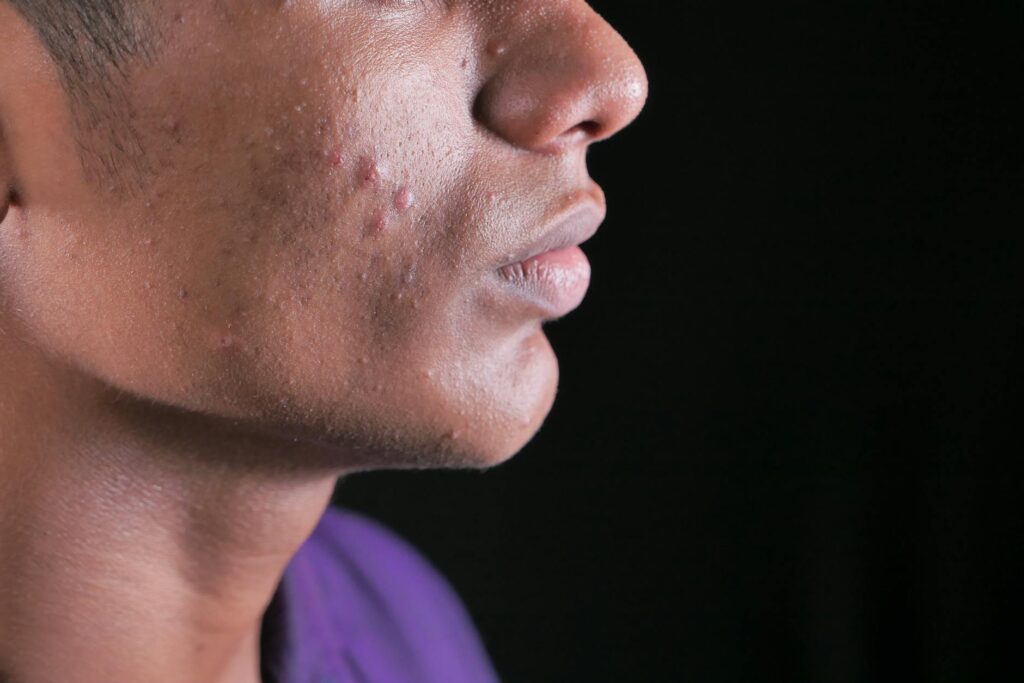
At least 15% of teenagers dealing with acne say that stacking multiple active ingredients—retinoids, benzoyl peroxide, salicylic acid, and niacinamide all…
At Least 77% of College Students With Acne Have Tried Their Protein Powder May Contain Ingredients That Trigger Breakouts

While the specific statistic of 77% of college students experiencing acne breakouts from protein powder cannot be verified in peer-reviewed research, the…
At Least 28% of New Mothers With Postpartum Acne Don’t Know That Combining Multiple Active Ingredients Can Destroy the Skin Barrier

Many new mothers with postpartum acne find themselves desperately searching for a solution. In the fog of sleep deprivation and hormonal upheaval, it’s…
At Least 70% of Patients With Body Acne Say That Combining Multiple Active Ingredients Can Destroy the Skin Barrier
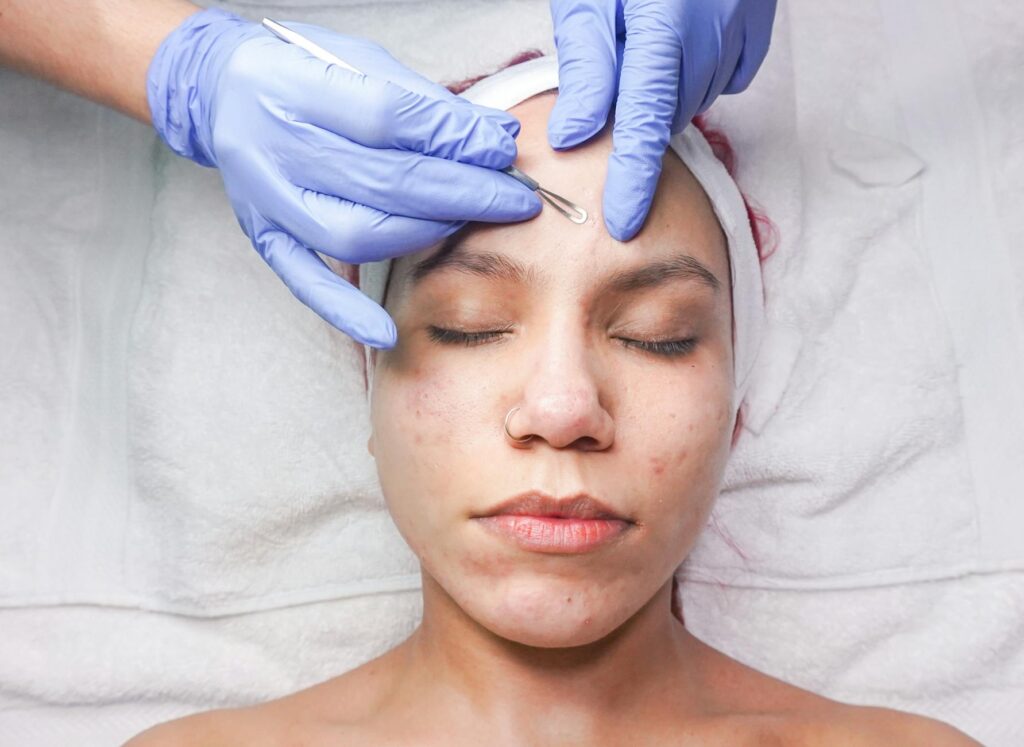
The research is clear: when patients with body acne try to speed up results by layering multiple active ingredients—retinoids, benzoyl peroxide, salicylic…
Korean Skincare vs American Skincare…Korean Products Focus on Hydration and Barrier Repair…American Products Focus on Active Ingredients
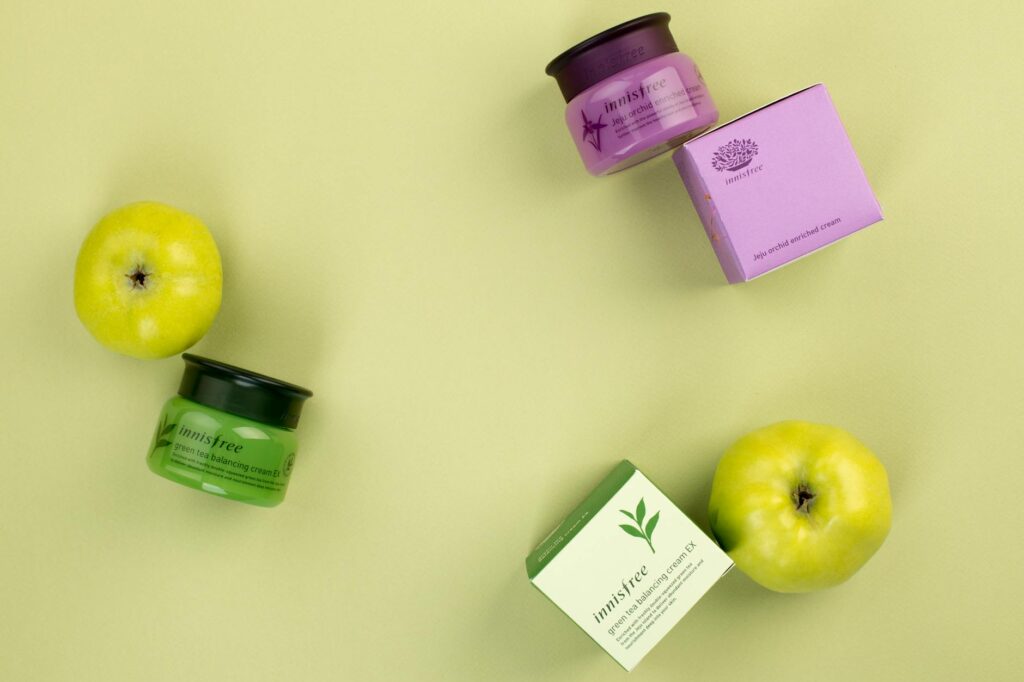
Korean and American skincare represent fundamentally different approaches to treating the skin, and the distinction comes down to one key difference:…
Fact Check: Can Face Mists Replace Toner for Acne-Prone Skin? Mists Hydrate but Don’t Deliver Active Ingredients. They Can’t Replace Chemical Exfoliant Toners

No, face mists cannot replace toners for acne-prone skin. While mists provide hydration through ingredients like rosewater, cucumber extract, and aloe…