
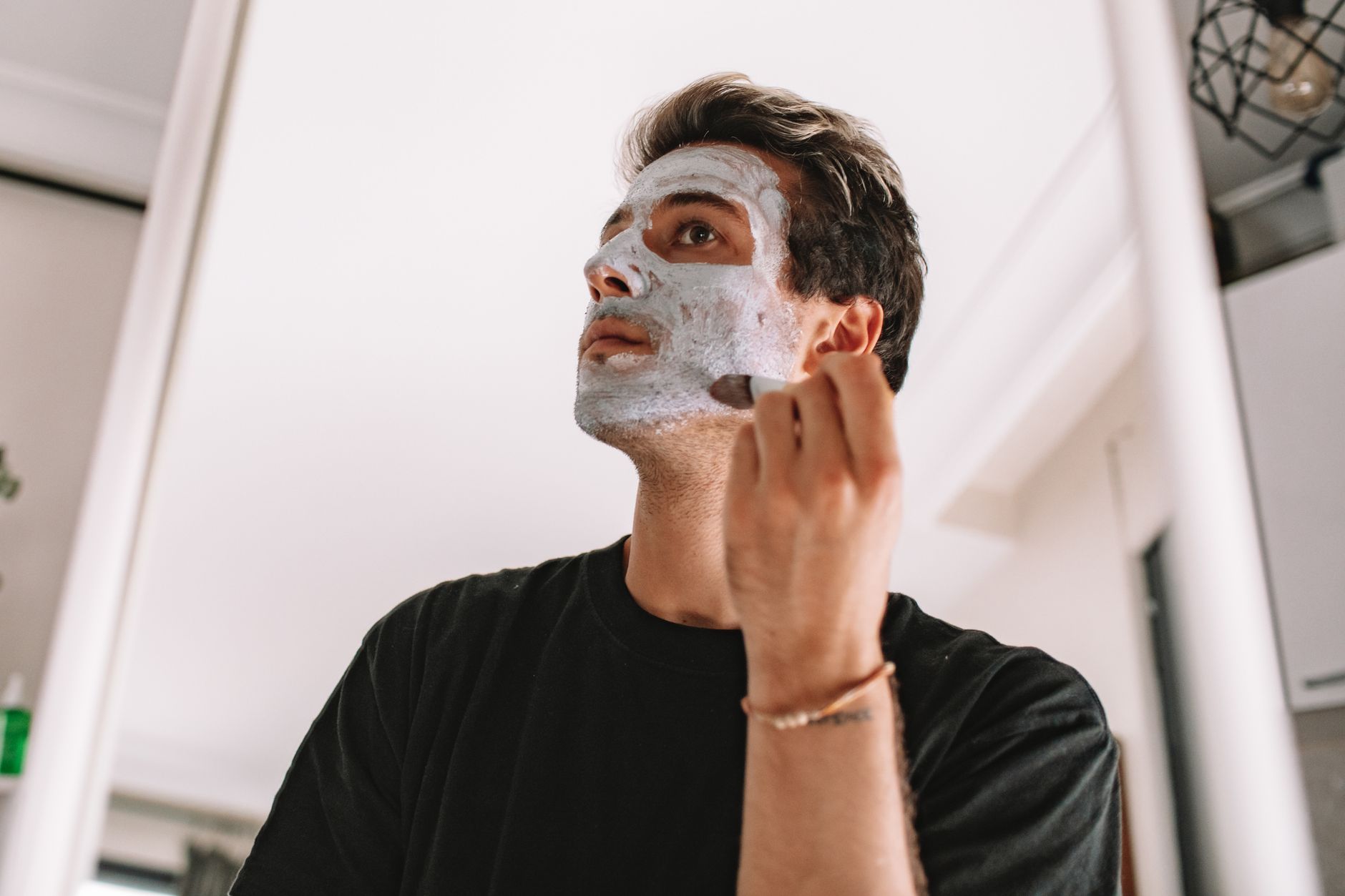
Men’s testosterone “shortcuts”—including nonprescribed injections, anabolic steroids, prohormones, and poorly regulated boosters—can trigger or sharply worsen acne by increasing androgen activity in the skin. Dermatologists warn that the resulting breakouts may be sudden, widespread, and resistant to ordinary over-the-counter care. For example, a man who previously had occasional facial pimples may develop painful nodules across his chest, shoulders, and back several weeks after beginning a bodybuilding cycle.
Prescribed testosterone replacement therapy can also aggravate acne, even when it is medically appropriate and monitored. The difference is not that prescription testosterone is acne-proof; it is that a clinician can verify the dose, monitor hormone levels and blood counts, and adjust treatment safely. Someone using testosterone should not stop a prescription abruptly or change the dose solely because of acne without consulting the prescriber. A dermatologist can treat the skin while the prescribing clinician determines whether the hormone regimen is producing excessive peaks or unnecessary exposure.
Medical information disclaimer: This article is for general educational purposes only and does not provide medical advice, diagnosis, or treatment. Always consult a physician or other qualified health professional about symptoms, medications, tests, or treatment decisions.
Table of Contents
- Why Do Men’s Testosterone Shortcuts Cause Acne?
- Anabolic Steroids, Boosters, and Unpredictable Hormone Exposure
- How Testosterone-Related Acne Can Become Severe
- What to Do When Testosterone Triggers Breakouts
- Common Mistakes That Make Hormonal Acne Harder to Treat
- Coordinating Dermatology Care With Testosterone Treatment
- Preventing Scars and Tracking Treatment Response
- Frequently Asked Questions
Why Do Men’s Testosterone Shortcuts Cause Acne?
Testosterone and related anabolic-androgenic compounds can stimulate sebaceous glands, increasing the amount of oil produced inside hair follicles. Androgens may also promote the buildup of dead skin cells within the follicle. Oil and cellular debris can then form a plug, while inflammation and acne-associated bacteria contribute to papules, pustules, nodules, and cysts. The problem is not poor hygiene, and aggressive scrubbing cannot remove activity occurring deeper within the follicle. The pattern often differs from ordinary adolescent acne.
Hormone-associated breakouts may involve the face, but the upper back, shoulders, and chest are especially common trouble spots. A recreational lifter using supraphysiologic testosterone may notice dozens of similar inflamed bumps beneath a tight training shirt, compared with the smaller number of mixed blackheads and pimples he had before starting the drug. Not every user develops the same reaction. Genetics, previous acne, the compound used, dose, duration, skin occlusion, and individual sensitivity all matter. A laboratory testosterone result within a reference range also does not rule out a treatment-related flare, particularly if levels rise and fall sharply between injections or if the skin is highly responsive to androgens.
Anabolic Steroids, Boosters, and Unpredictable Hormone Exposure
Anabolic steroids taken for faster muscle gain commonly expose the body to androgenic effects well beyond those intended in standard medical treatment. “Stacking” several drugs makes the exposure even harder to interpret. If severe acne appears, neither the user nor the dermatologist may know which compound is responsible, how much active drug was actually administered, or how long the effects will persist. Products sold as testosterone boosters create a different uncertainty. Some herbal ingredients may have little meaningful effect on testosterone, while mislabeled or adulterated products can expose users to substances they did not intend to take.
A label promising “natural hormone support” does not establish purity, potency, or dermatologic safety. The limitation is especially important with products purchased from informal sellers or websites that provide no reliable ingredient verification. Cycling off does not guarantee that acne will disappear immediately. Oil production and inflammation may continue while hormone levels shift, and deep lesions can leave scars even after the suspected drug is discontinued. Dermatologists therefore warn against waiting several months to see whether painful nodules resolve on their own.
How Testosterone-Related Acne Can Become Severe
Inflammatory acne can progress from tender red bumps to deep nodules that rupture beneath the skin. These lesions may heal with permanent depressions, raised scars, or persistent dark or red marks. The trunk is vulnerable because people may not see early lesions clearly, and the thicker skin of the back can conceal substantial inflammation until it becomes painful. A typical example is a man who notices a few shoulder pustules after increasing his injection dose, then continues the regimen because the spots seem cosmetic. Over the next month, the lesions spread down his back and become sore enough to interfere with sleep or bench pressing.
By the time he seeks care, several nodules have already produced indented scars. A sudden eruption is not always acne vulgaris. Folliculitis can resemble acne, including bacterial folliculitis and yeast-related folliculitis that may be itchy and composed of very uniform bumps. Boils, medication reactions, and the rare but serious condition acne fulminans may also enter the differential diagnosis. Fever, joint pain, ulcerated lesions, rapidly worsening inflammation, or extensive drainage warrants prompt medical assessment rather than another acne wash.
What to Do When Testosterone Triggers Breakouts
The first practical step is to document the timeline. Record when the testosterone, steroid, booster, or dose change began; when the eruption appeared; where it spread; and every product being used. Clear photographs taken under similar lighting can help show progression. Bring the exact prescription or packaging to the appointment, including injectable concentrations and supplement ingredient lists. For mild inflammatory acne, a benzoyl peroxide wash may reduce acne-associated bacteria and help limit antibiotic resistance. It can be useful on the chest and back, although it may cause dryness and bleach towels, clothing, or bedding.
A topical retinoid such as adapalene can help prevent clogged follicles, but it commonly causes irritation during the first weeks and must be introduced gradually. Using a harsh scrub offers quicker sensory feedback, yet it is more likely to damage the skin barrier than to treat the follicular blockage. Moderate or severe disease may require prescription combinations, oral antibiotics, or isotretinoin under medical supervision. Oral antibiotics can reduce inflammation temporarily, but they are not an ideal indefinite solution and should generally be paired with appropriate topical therapy. Isotretinoin can be highly effective for severe nodular or scarring acne, yet it requires screening, monitoring, and careful review of adverse effects. Tetracycline antibiotics and isotretinoin should not be taken together because the combination can increase the risk of intracranial hypertension.
Common Mistakes That Make Hormonal Acne Harder to Treat
One common mistake is responding to increased oil with repeated washing, alcohol-heavy toners, abrasive brushes, or undiluted essential oils. These approaches can cause burning and dermatitis without controlling androgen-driven sebum production. Washing gently after sweating is reasonable; scrubbing the back several times a day is not a substitute for treatment. Another mistake is changing hormone doses without involving the prescriber.
Skipping injections, shortening intervals, doubling a missed dose, or adding an unverified “estrogen blocker” can create further hormonal fluctuations and introduce risks beyond acne. Men receiving medically indicated testosterone should discuss whether the dose, formulation, or injection schedule is appropriate rather than attempting to manage laboratory values through online protocols. People also underestimate mechanical aggravators. Tight synthetic shirts, shoulder pads, backpack straps, oily hair products, and prolonged contact with sweaty gym clothing can worsen follicular blockage and friction. Changing promptly after exercise and washing compression garments between uses may help, but these measures have a limitation: they cannot counteract a powerful ongoing androgen stimulus by themselves.
Coordinating Dermatology Care With Testosterone Treatment
Dermatologists need an accurate medication history, including nonprescribed drugs, because it changes both diagnosis and treatment planning. The clinician who manages testosterone may also need to review the indication, measured hormone levels, dosing schedule, and other safety monitoring. Confidential, specific disclosure is more useful than saying only that a “sports supplement” was involved.
For example, a patient using prescribed injections may experience a flare soon after each dose. His clinicians might examine whether the schedule creates pronounced peaks while simultaneously treating the acne. That coordinated approach differs from independently spacing injections farther apart, which could undermine the medical treatment and make symptoms and laboratory results harder to interpret.
Preventing Scars and Tracking Treatment Response
Painful nodules, draining lesions, rapidly spreading trunk acne, or any sign of scarring should prompt an early dermatology appointment. Picking and squeezing increase inflammation and can deepen tissue injury. Dark marks may gradually fade, but indented or raised scars often require separate procedures after active acne is controlled.
Track treatment with photographs every two to four weeks rather than judging it from one day to the next. Count new inflamed lesions in the same small area, such as one shoulder, and note tenderness or drainage. If a benzoyl peroxide wash causes cracking and intense redness, or a topical retinoid produces persistent swelling rather than manageable dryness, pause the irritating product and contact the treating clinician for adjusted instructions.
Frequently Asked Questions
Can medically prescribed testosterone replacement therapy cause acne?
Yes. Testosterone replacement therapy can increase skin oil production and trigger acne, especially after treatment begins or the dose changes. The prescriber and a dermatologist can evaluate the regimen without assuming that medically necessary treatment must be abandoned.
Will acne disappear after stopping anabolic steroids?
It may improve as androgen exposure falls, but improvement is not always immediate. Deep inflammation can persist, and existing nodules may scar. Stopping nonprescribed hormones can also involve medical and psychological complications, so clinical guidance is appropriate.
Is body acne from testosterone caused by sweating?
Sweat can contribute to irritation and occlusion, particularly beneath tight clothing, but it is not the primary hormonal mechanism. Increased sebaceous activity and follicular plugging are more central. Showering after training may help with surface factors but may not control the eruption.
Can salicylic acid treat testosterone-related acne?
Salicylic acid can help clear superficial follicular blockage in mild cases, but it may be insufficient for widespread inflammatory or nodular acne. Using it alongside several irritating products can also cause excessive dryness and make consistent treatment difficult.
When is testosterone-related acne an urgent concern?
Seek prompt care for rapidly worsening or ulcerated lesions, fever, joint pain, extensive drainage, severe pain, or signs of infection such as spreading warmth and redness. Early evaluation is also important when new scars are appearing.
You Might Also Like
- At Least 73% of College Students With Acne Would Benefit From Knowing That Their Acne Scars Can Be Significantly Improved With Professional Treatment
- At Least 14% of Patients Seeking Scar Treatment Would Benefit From Knowing That Acne Around the Mouth May Actually Be Perioral Dermatitis
- Acne Treatment Inequality Reveals Growing Two-Tier Healthcare System Problem