
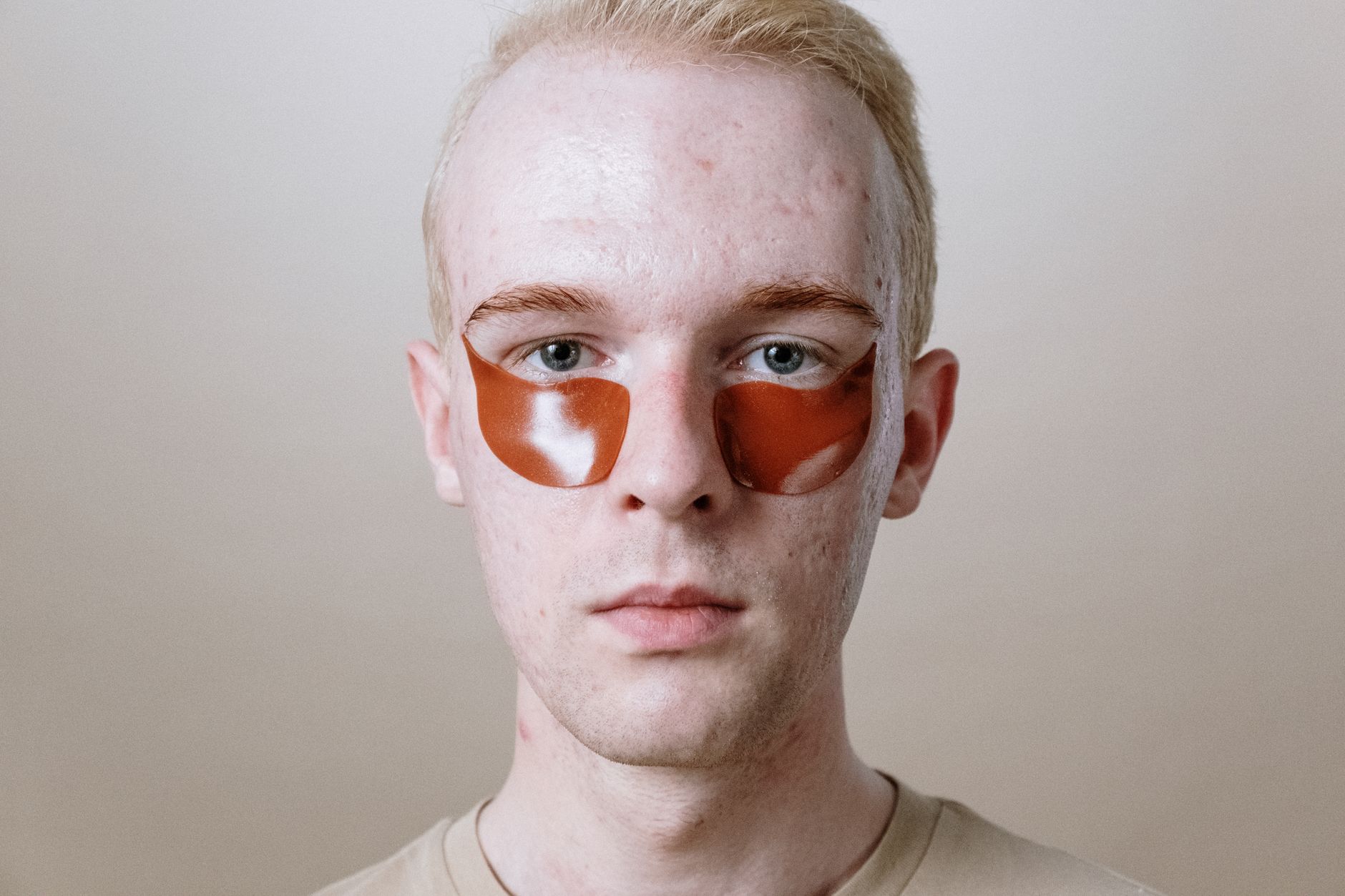
Adult acne breakouts spike during summer travel because of a perfect storm of stressors that directly affect your skin. When you combine the physical stress of travel—disrupted sleep, altered routines, different water quality—with the mental and emotional stress of navigating new environments, your body responds by elevating cortisol, a stress hormone that increases sebum production and inflammation. Add summer heat and humidity into the equation, and your skin becomes far more prone to blocked pores and bacterial growth. A frequent traveler might notice clear skin at home on her regular routine, then develop a cluster of inflammatory acne by day three of a beach vacation—not because of any single factor, but because several stressors are amplifying each other simultaneously.
The connection between stress and acne is physiological, not psychological. Stress doesn’t just “get to you”—it literally changes how your skin behaves. Your sebaceous glands are sensitive to hormonal shifts triggered by cortisol release, and your skin barrier becomes compromised under stress, making it more vulnerable to irritants and bacteria. For adults who thought acne was behind them, summer travel often reveals that adult breakouts aren’t about poor hygiene or the wrong products; they’re about your body’s response to cumulative environmental and psychological demands.
Medical information disclaimer: This article is for general educational purposes only and does not provide medical advice, diagnosis, or treatment. Always consult a physician or other qualified health professional about symptoms, medications, tests, or treatment decisions.
Table of Contents
- How Stress and Heat Combine to Trigger Summer Travel Breakouts
- The Role of Disrupted Sleep and Routine in Acne Flare-Ups
- How Summer Humidity and Chlorine Worsen Breakout Risk
- Managing Acne While Traveling: Realistic Strategies and Tradeoffs
- Hormonal Shifts and When Breakouts Signal Something Deeper
- Practical Luggage Essentials for Acne-Prone Travelers
- When Breakouts Persist After Returning Home
- Frequently Asked Questions
How Stress and Heat Combine to Trigger Summer Travel Breakouts
Stress increases cortisol production, which signals your skin to produce more sebum—the oil your skin naturally produces to stay hydrated. Normally this is fine, but when combined with summer heat, excess sebum becomes a liability. Sweat and sebum mix on your skin’s surface, creating an environment where bacteria thrive and pores become clogged more easily. Someone traveling from a cool, dry climate to a humid tropical destination will often experience a dramatic breakout within a few days, even if they’ve used the same skincare routine for years without incident at home.
The stress of travel itself goes beyond just the destination’s climate. Sitting in planes or cars for hours dehydrates your skin, disrupts sleep cycles, exposes you to different altitudes and air quality, and keeps you in recirculated air filled with bacteria. Your skin barrier—the outermost layer that protects against irritants—weakens under stress and dehydration. Combine this with a new pillow case, different water hardness or chlorine levels if you’re swimming, and unfamiliar sunscreen products, and your skin is essentially under attack from multiple fronts at once.
The Role of Disrupted Sleep and Routine in Acne Flare-Ups
Sleep deprivation is one of the most underestimated acne triggers, yet it’s nearly unavoidable during travel. When you don’t sleep enough, your skin doesn’t have time to repair itself; your body continues producing cortisol at elevated levels because it senses ongoing stress. Additionally, reduced sleep impairs your immune system’s ability to fight acne-causing bacteria, Cutibacterium acnes, which proliferates in clogged pores. Someone arriving at their destination after a red-eye flight has already stacked the deck against their skin before stepping outside into the heat.
Your normal skincare routine goes out the window when you’re traveling. You might use different products, skip steps due to limited space or time, or forget to cleanse before bed because you’re exhausted. Your skin thrives on consistency; even skipping one night of cleansing can allow bacteria and sebum to accumulate in pores. The limitation here is that no amount of spot treatment will fully compensate for the underlying stress and routine disruption—you can treat the pimples appearing, but the root cause persists as long as the travel stress continues.
How Summer Humidity and Chlorine Worsen Breakout Risk
Humidity accelerates sebum production and makes sweat evaporate more slowly from your skin’s surface. If you’re at a beach resort or pool, chlorine exposure adds another variable. Chlorine dries out your skin’s outer layer while simultaneously irritating pores, and when your skin tries to compensate by producing more sebum, you get a rebound effect—your skin becomes both oily and dry at the same time.
A traveler who swims daily during vacation often develops breakouts on their chest and back, areas that stay wet longer and are frequently neglected in skincare routines. The sun exposure during summer travel also plays a significant role. While sun doesn’t directly cause acne, UV exposure can worsen existing breakouts and thicken the outer layer of skin (hyperkeratinization), trapping sebum inside pores. Many sunscreen products are also comedogenic—they block pores—so choosing the wrong formula in a rush at a destination pharmacy can inadvertently trigger new breakouts.
Managing Acne While Traveling: Realistic Strategies and Tradeoffs
The most effective approach to managing travel acne is prevention through stress reduction and consistent mini-routines, not aggressive treatment. A simple three-step routine—gentle cleanse, lightweight moisturizer, and sunscreen—actually works better during travel than elaborate multi-step regimens that are hard to maintain. You might feel like you’re doing less, and that’s the tradeoff: you’ll sacrifice the extra targeted treatments you use at home, but you’ll prevent worse breakouts by maintaining consistency and not over-treating stressed, compromised skin.
Hydration matters more during travel than at home. Drinking more water doesn’t directly hydrate your skin, but it supports your body’s ability to manage stress and helps prevent the dehydration that worsens barrier dysfunction. Sleeping more—even if it means saying no to some social activities—is one of the few interventions with a direct measurable impact on cortisol levels and acne. The comparison is straightforward: a night of good sleep is worth more than three additional skincare products.
Hormonal Shifts and When Breakouts Signal Something Deeper
For women, travel disrupts more than just routine; it can shift your menstrual cycle and hormone levels, which directly affects acne. If your travel spans time zones or involves significant changes in sleep and light exposure, your circadian rhythm shifts, and this can advance or delay your cycle. Breakouts that occur right after travel in women are sometimes hormonally driven, not stress-driven, meaning topical acne treatments alone won’t fully resolve them.
A woman who breaks out badly during a long travel period should consider whether her cycle has shifted; if so, the breakouts may persist until her cycle normalizes. The warning here is that stress-induced acne looks identical to hormonally-driven acne to the naked eye. If breakouts continue for more than 2-3 weeks after returning home and your routine has resumed, the cause might not be the travel itself but rather a hormonal disruption triggered by the stress and circadian changes. Over-treating with topical retinoids or benzoyl peroxide when the underlying cause is hormonal can actually make things worse by further irritating already-sensitive skin.
Practical Luggage Essentials for Acne-Prone Travelers
Pack products in minimal quantities: one lightweight moisturizer, a gentle cleanser, and a broad-spectrum SPF 30 or higher sunscreen. Avoid packing multiple acne treatments—benzoyl peroxide and retinoids can become more irritating on already-stressed skin, and using both during travel often triggers more breakouts than it prevents.
Include blotting papers instead of powder; they absorb excess oil without adding product buildup. A small bottle of your regular cleanser is worth the luggage space because unfamiliar water and local products are common acne triggers for people with sensitive, acne-prone skin.
When Breakouts Persist After Returning Home
If acne flares up severely during travel but continues for more than three weeks after you return home and resume your normal routine, the breakouts are likely rooted in something beyond travel stress. Hormonal acne, bacterial overgrowth from extended antibiotic exposure, or an underlying skin condition like rosacea or fungal acne might be responsible. At this point, dermatologist consultation becomes important; a professional can determine whether you’re dealing with typical stress-induced acne or something that requires targeted treatment like oral medication or prescription topicals.
Frequently Asked Questions
Will my acne automatically clear when I get home from vacation?
Not always. While acne caused purely by travel stress often improves within a few days to a week at home, severe breakouts can leave behind post-inflammatory hyperpigmentation or scarring that takes weeks to fade. Additionally, if hormonal disruption caused the breakouts, they may persist until your cycle normalizes.
Is it better to treat travel acne aggressively or leave it alone?
Aggressive treatment during travel often backfires because your skin barrier is already compromised by stress and environmental changes. A minimal routine—cleanse, moisturize, sunscreen—prevents breakouts better than adding multiple treatments. Save aggressive treatment for after you’re home and your skin has recovered.
Why do I break out more at beach destinations than mountain vacations?
Beaches combine heat, humidity, salt water, and sand—all of which irritate and clog pores. Mountain destinations typically offer cooler temperatures and lower humidity, reducing sebum production and giving your skin better conditions to manage stress-related inflammation.
Should I stop wearing sunscreen to prevent breakouts while traveling?
No. Sun exposure worsens breakouts and causes lasting skin damage. Instead, choose a mineral sunscreen or one labeled “non-comedogenic,” and reapply over blotting papers rather than powder to avoid product buildup.
Can jet lag alone cause acne, or is it the stress combined with jet lag?
Jet lag disrupts your circadian rhythm and sleep quality, both of which elevate cortisol. For most people, jet lag’s effect on acne is indirect—through the stress response and sleep deprivation it causes—rather than a standalone trigger.
How long does it typically take for travel acne to clear after I get home?
Mild breakouts often improve within 3-7 days once your routine and sleep normalize. More severe breakouts may take 2-3 weeks to fully resolve. If acne persists beyond three weeks after returning to your normal environment and routine, consult a dermatologist.