
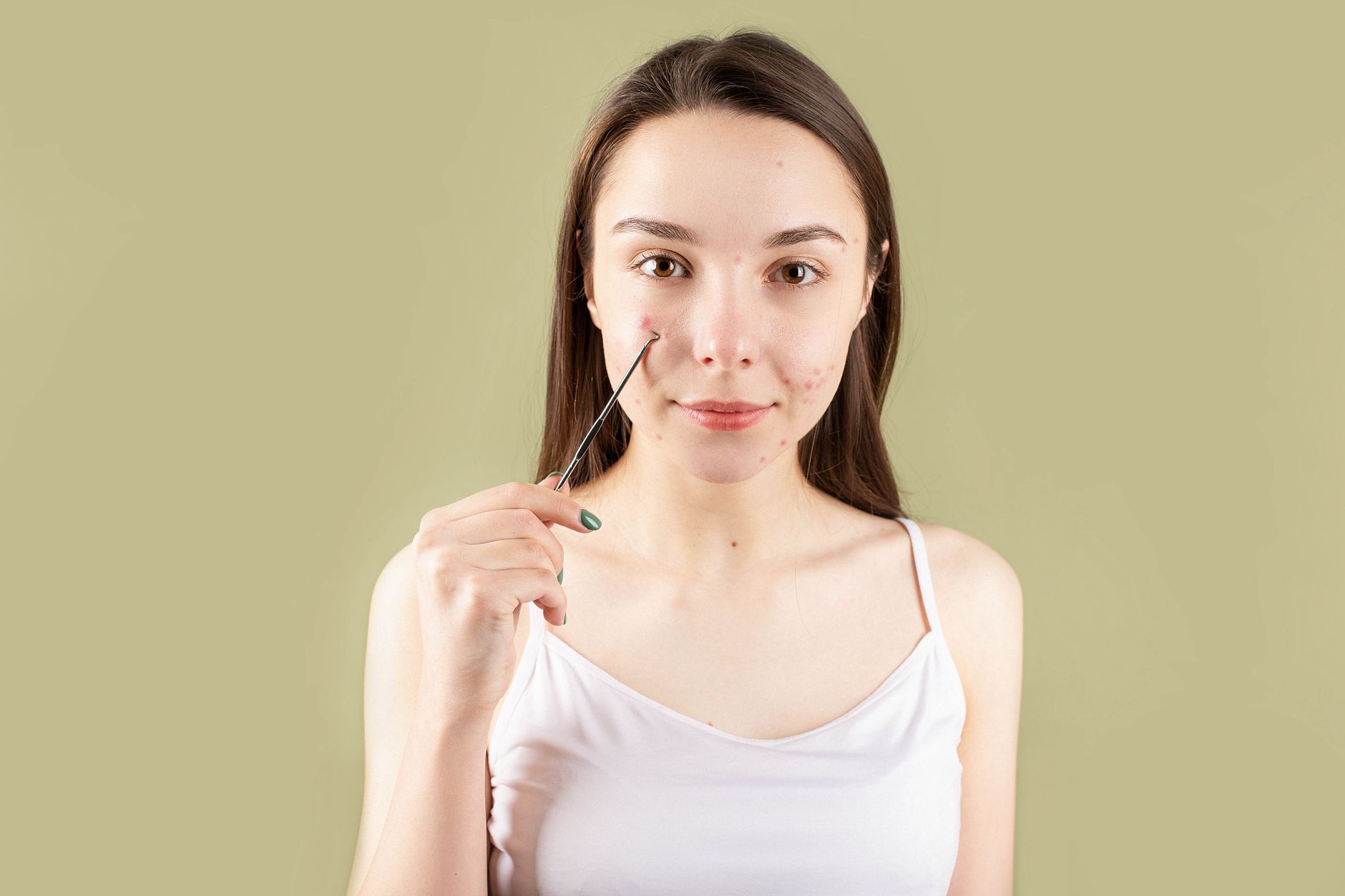
Pediatric acne is acne in children and teens, and pediatric rosacea is a separate childhood facial and eye condition that can look like acne. Families comparing acne treatments at the time of the 2026 AAD Annual Meeting focused most usefully on two outcomes: lasting texture scars and flat dark marks after breakouts heal.
The meeting ran March 27-31, 2026, in Denver as dermatology's comprehensive clinical-academic forum with late-breaking research and pipeline updates, according to the American Academy of Dermatology announcement via PR Newswire. For parents, that context matters because treatment choice affects more than current pimples. Early control lowers the chance of marks that linger and scars that remain.
Medical information disclaimer: This article is for general educational purposes only and does not provide medical advice, diagnosis, or treatment. Always consult a physician or other qualified health professional about symptoms, medications, tests, or treatment decisions.
Table of Contents
- Is it a dark mark or a true scar?
- How do standard acne treatments compare on future marks and scars?
- Could red bumps be rosacea instead of acne?
- What daily habits protect healing skin?
- When does a stronger acne option enter the discussion?
Is it a dark mark or a true scar?
Flat dark discoloration after acne is often postinflammatory hyperpigmentation, or excess melanin left where inflammation occurred. True acne scarring is a texture change, not color alone.
The pediatric best-practices webinar describes hyperpigmentation as flat dark areas that often fade over 3-6 months, while scars include ice-pick, boxcar, rolling atrophic, hypertrophic, or keloid types, according to the Children's National and Pediatric Health Network webinar materials. That distinction guides expectations. Color may improve with time and sun protection; pits, deep holes, rolling unevenness, or raised thick scars do not simply fade.
How do standard acne treatments compare on future marks and scars?
Dermatologists compare treatments by whether they stop new clogged pores, calm inflammatory lesions, and maintain clear skin. Topical retinoids such as adapalene, tretinoin, tazarotene, and trifarotene inhibit microcomedones, reduce inflammatory lesions, help other agents penetrate, reduce hyperpigmentation and scarring, and maintain remission across severities.
The AAD's 2024 acne guidelines cover patients aged 9 years and older and strongly recommend benzoyl peroxide, topical retinoids, topical antibiotics, and oral doxycycline, according to the Journal of the American Academy of Dermatology guidelines. The same guidelines reserve oral isotretinoin for severe, scarring, psychosocially burdensome, or treatment-resistant acne. Families can ask which option controls inflammation fastest, whether a retinoid is included for maintenance, and when follow-up should trigger a change.
Could red bumps be rosacea instead of acne?
Pediatric rosacea begins in childhood or adolescence, most commonly as papulopustular facial disease and ocular rosacea. It lacks the adult-type thickened nasal skin disease and can mimic acne, eczema, seborrheic dermatitis, or eye infection.
That overlap matters when bumps do not respond as expected, flushing is prominent, or eyes are red, gritty, styes recur, or vision seems affected. Childhood ocular rosacea can threaten vision and often needs prolonged combined eyelid hygiene plus topical and systemic antibiotics. Doxycycline and tetracyclines are generally reserved for older children, while younger children may receive erythromycin or weight-based metronidazole.
What daily habits protect healing skin?
Treatment works best when healing spots are not picked and are shielded from sun. Picking, squeezing, or popping raises the risk of persistent pigment change and scarring.
Dermatologists stress early effective treatment, hands-off healing, and daily broad-spectrum sunscreen because ultraviolet light darkens healing marks, according to the American Academy of Dermatology news release on acne in skin of color. The risk is higher in darker skin. Useful family steps include:.
- Start effective care early rather than waiting for spots to scar.
- Keep fingers and tools away from pimples and scabs.
- Apply broad-spectrum sunscreen every morning and reapply for outdoor time.
- Report eye redness, burning, light sensitivity, or recurrent styes promptly.
When does a stronger acne option enter the discussion?
Most children do not need isotretinoin. FDA labeling reserves it for severe nodular acne unresponsive to conventional therapy including systemic therapy and notes that untreated nodular disease can cause permanent scars.
Prescribing and dispensing are limited to prescribers, pharmacies, and patients enrolled in the iPLEDGE safety program because of embryo-fetal toxicity. Families facing severe nodules, spreading scars, major distress, or repeated treatment failure should ask a dermatologist whether referral, combination therapy, or isotretinoin evaluation is appropriate. Bring a list of prior treatments, treatment duration, eye symptoms, family scarring history, and skin-darkening concerns.
You Might Also Like
- Pediatric Acne and Rosacea at the 2026 AAD Annual Meeting: Treatment-Selection Questions for Families Comparing Acne Treatments
- Pediatric Acne and Rosacea at the 2026 AAD Annual Meeting: Skin-Care Routine Questions for Families Comparing Acne Treatments
- Pediatric Acne and Rosacea at the 2026 AAD Annual Meeting: When to Seek Care for Families Comparing Acne Treatments