
Why Does Cystic Acne Leave Darker Marks Than Regular Pimples?

See why deep, inflamed cysts trigger extra pigment and how to lower risk of lasting dark marks.
See why deep, inflamed cysts trigger extra pigment and how to lower risk of lasting dark marks.

Use the right strength each morning with SPF to fade brown acne marks steadily.

Learn when salicylic acid helps acne marks, when it backfires, and how to protect skin while spots fade.

Compare timelines, tolerance, and a morning-night routine to fade acne marks faster.

Learn what strength to use, how long to wait, and when sunscreen or a dermatologist visit matters.

Learn the 4-week timeline, daily routine, sunscreen rule, and safety stops for fading acne marks.

Learn which treatments fade acne dark marks, how daily sun care helps, and what risks to avoid.
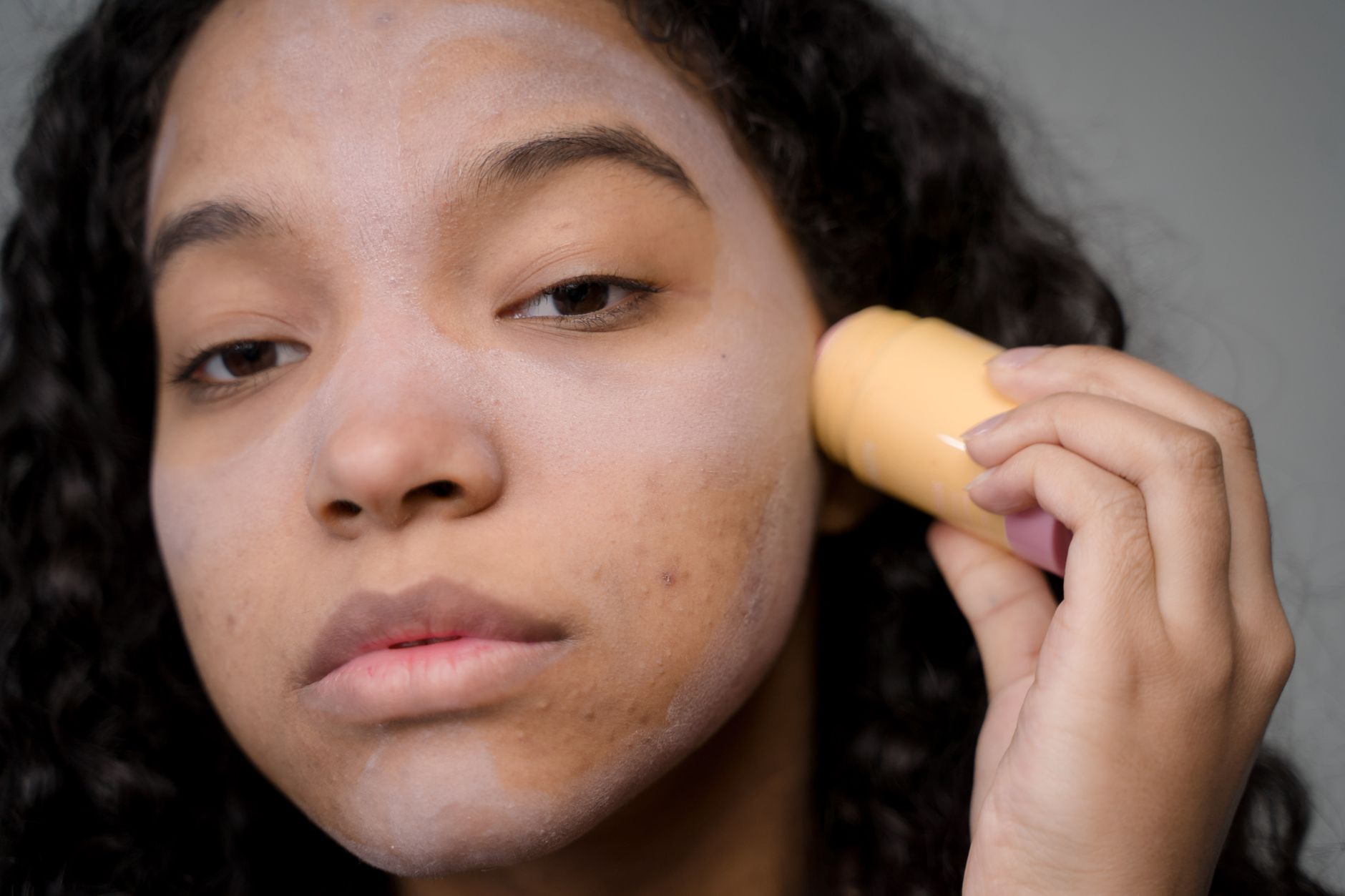
Match flat dark marks to sunscreen plus fading ingredients and textured scars to in-office procedures.
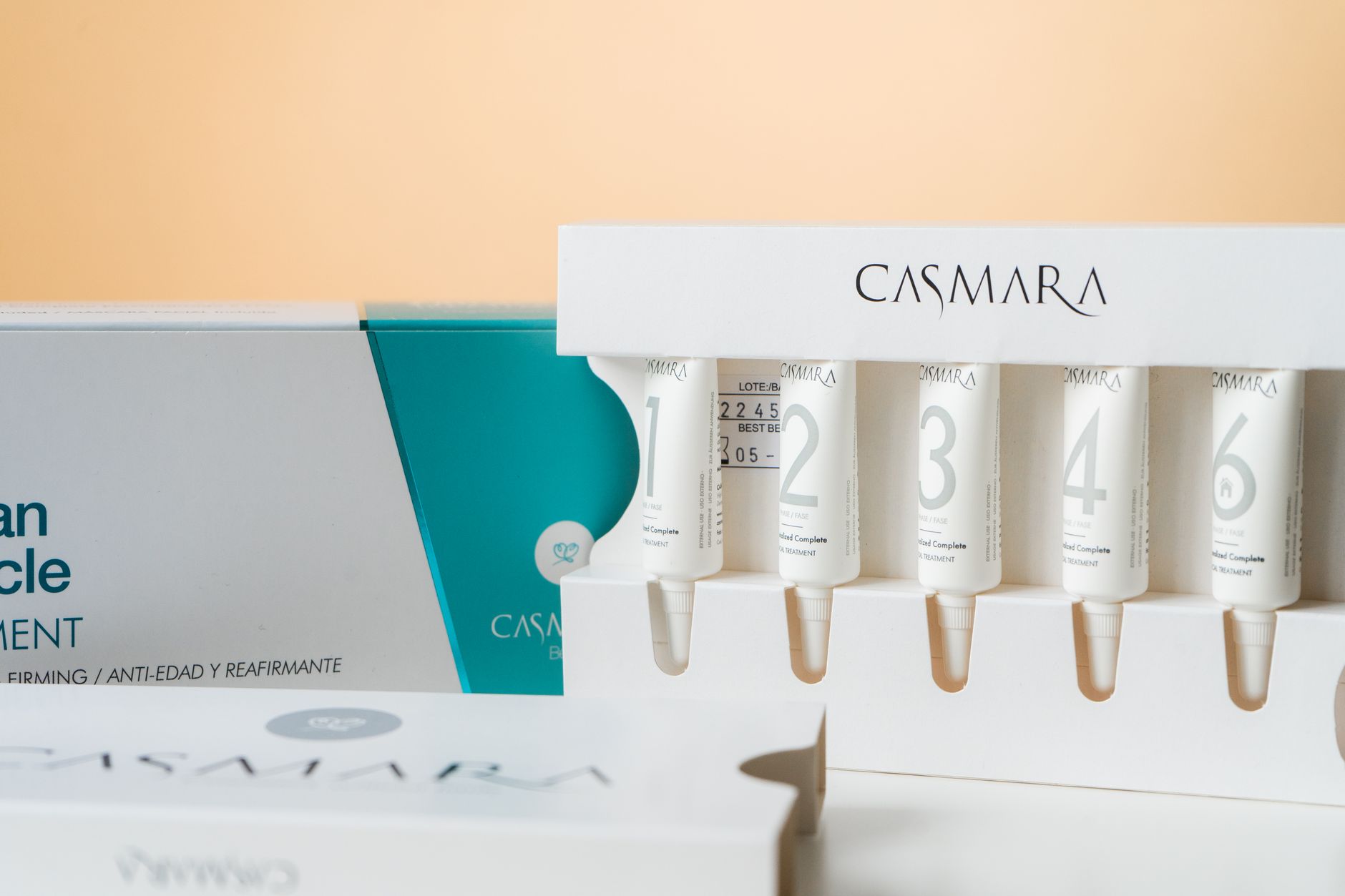
Learn which azelaic acid strength fits your skin and how to apply it twice daily for clearer, more even skin.

See how to spot vascular red marks, avoid prolonging them, and keep new breakouts from forming.