
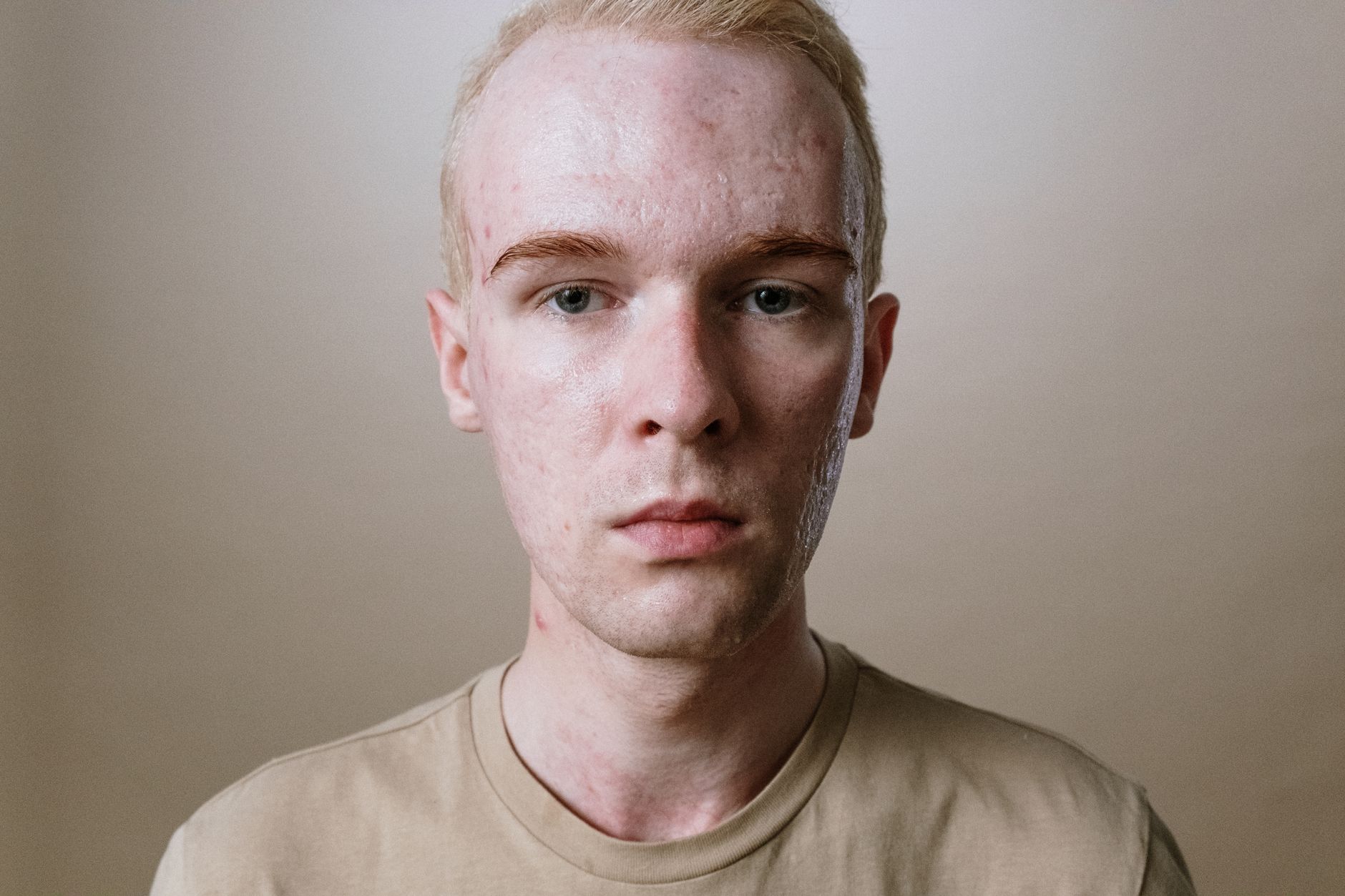
The 2026 AAD Annual Meeting in Denver gave families a clear way to compare acne treatments: pair the prescription with a simple daily routine. For ages 9 and older, topical retinoids anchor care at every acne severity stage, while rosacea-prone skin needs extra barrier and sun care.
Topical retinoids are vitamin-A-based creams that unclog pores and reduce inflammation. The meeting ran March 27-31 at the Colorado Convention Center with 275+ sessions, and AJMC reported the program spanned pediatric dermatology, inflammatory skin disease, and therapeutics meeting preview. A dedicated Acne and Rosacea session on Friday, March 27 paired routine questions with late-breaking treatment updates for clinicians.
Medical information disclaimer: This article is for general educational purposes only and does not provide medical advice, diagnosis, or treatment. Always consult a physician or other qualified health professional about symptoms, medications, tests, or treatment decisions.
Table of Contents
- What anchors acne care from age 9?
- How do combination retinoids compare?
- What about oil, cost, and hormonal options?
- How do you keep rosacea-prone skin calm?
- When should younger children get care sooner?
What anchors acne care from age 9?
Current AAD guidance recommends a topical retinoid at every severity stage for patients aged 9 and older. AJMC summarized the guidance as strongly supporting retinoids, including fixed-dose combinations with benzoyl peroxide or antibiotics AAD retinoid summary. Practical Dermatology reporting on the same guidance lists adapalene, tretinoin, tazarotene, and trifarotene to unclog pores, plus benzoyl peroxide to curb acne bacteria.
For families, this means the first comparison is not brand versus brand. Ask whether the plan includes a retinoid, how often to apply it, and which combination reduces steps. Fixed-dose combinations can improve adherence because fewer tubes mean fewer missed doses.
How do combination retinoids compare?
Adherence often decides results. A pea-sized retinoid layer, benzoyl peroxide as directed, and moisturizer can beat a complex routine that a child stops using. A Brigham researcher discussion at AAD 2026 advised fixed-dose combination topicals to aid adherence and lower daily burden.
Trifarotene 0.005% cream shows how age range and body areas matter. Galderma states the FDA approval notice covers acne vulgaris in patients 9 years and older for face, chest, and back use since Oct. 4, 2019 FDA approval notice. Galderma also presented 12-week real-world facial and truncal data at AAD 2026.
- Check age range: labeled for 9 years and older versus adult-only use
- Check body areas: face only versus face, chest, and back
- Check steps: single combination tube versus separate retinoid plus antibacterial
- Check tolerance plan: start slow, moisturize, and protect from sun
What about oil, cost, and hormonal options?
Some breakouts persist because oil stays high. Sun Pharma reported at AAD 2026 that 52-week open-label Winlevi, clascoterone 1%, progressively reduced facial sebum and acne severity by targeting the androgen-sebum pathway. Pilot combinations supported multimodal use with other topicals.
Cost shapes long-term use. The AAD 2026 cost-effective acne discussion favored fixed-dose topicals for adherence, plus spironolactone as an effective affordable systemic option and combined oral contraceptives for female acne. Families can ask the clinician which affordable systemic fits the child's age, health history, and acne pattern.
How do you keep rosacea-prone skin calm?
Acne products can sting flushing skin. Use a gentle fragrance-free cleanser, a daily ceramide or squalane moisturizer for barrier support, and daily broad-spectrum mineral SPF 30+ with zinc oxide or titanium dioxide.
The National Rosacea Society guidance summarized by dermatology reviewers stresses this trio because sun is the top flare trigger cited by 81% of patients rosacea sunscreen guide. Apply treatment to dry skin, then moisturize. Pause picking, scrubbing, and strong astringents during flares.
- Morning: gentle cleanse, moisturize, mineral SPF 30+
- Evening: gentle cleanse, acne treatment as directed, moisturize
- Daily: reapply sunscreen for outdoor school, sports, and recess
- Avoid: fragrance, harsh scrubs, and skipping moisturizer to dry out pimples
When should younger children get care sooner?
Safety and efficacy data are thinnest under age 9. AAFP and pediatric summaries note topical adapalene, tretinoin, and benzoyl peroxide are considered safe in children, while oral antibiotics are reserved for moderate-severe acne for 3-6 months.
Isotretinoin is reserved for severe or scarring disease. Seek prompt care for deep nodules, scarring, dark marks that spread, or distress about school and photos. Bring the product list, start dates, and close-up photos to the visit.
You Might Also Like
- Pediatric Acne and Rosacea at the 2026 AAD Annual Meeting: Treatment-Selection Questions for Families Comparing Acne Treatments
- Pediatric Acne and Rosacea at the 2026 AAD Annual Meeting: Questions Families Comparing Acne Treatments Can Ask a Dermatologist
- Pediatric Acne and Rosacea at the 2026 AAD Annual Meeting: Diagnosis and Look-Alike Questions for Families Comparing Acne Treatments