
Acne Rosacea: Key Facts, Safety Considerations, and Next Steps

Spot rosacea triggers, protect sensitive skin daily, and get the right treatment for redness and bumps.
Spot rosacea triggers, protect sensitive skin daily, and get the right treatment for redness and bumps.
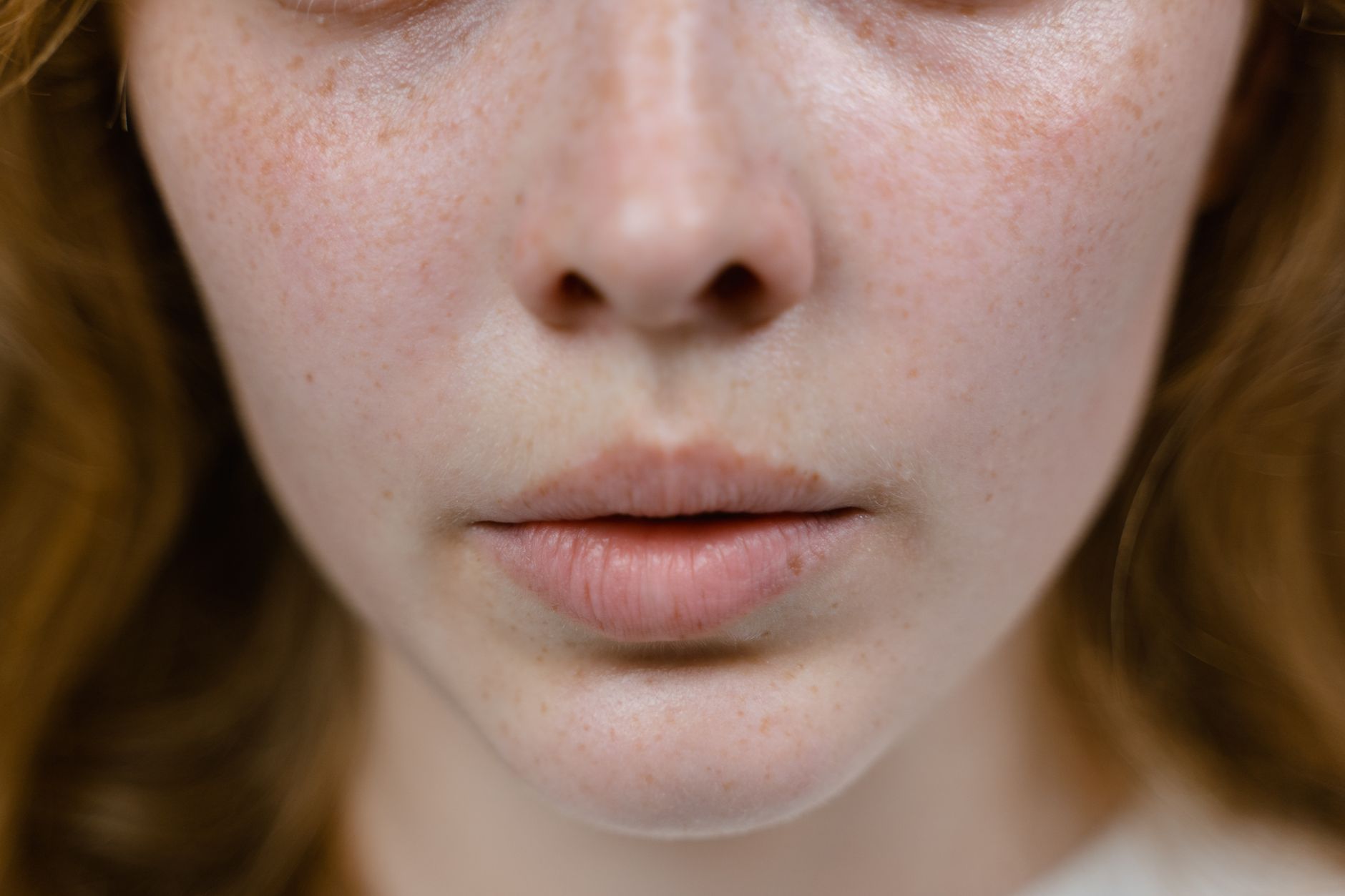
See how niacinamide moisturizers ease dry rosacea skin and fit safely beside prescription care.

See when retinol fits rosacea, which redness it cannot fix, and which questions to bring to your visit.
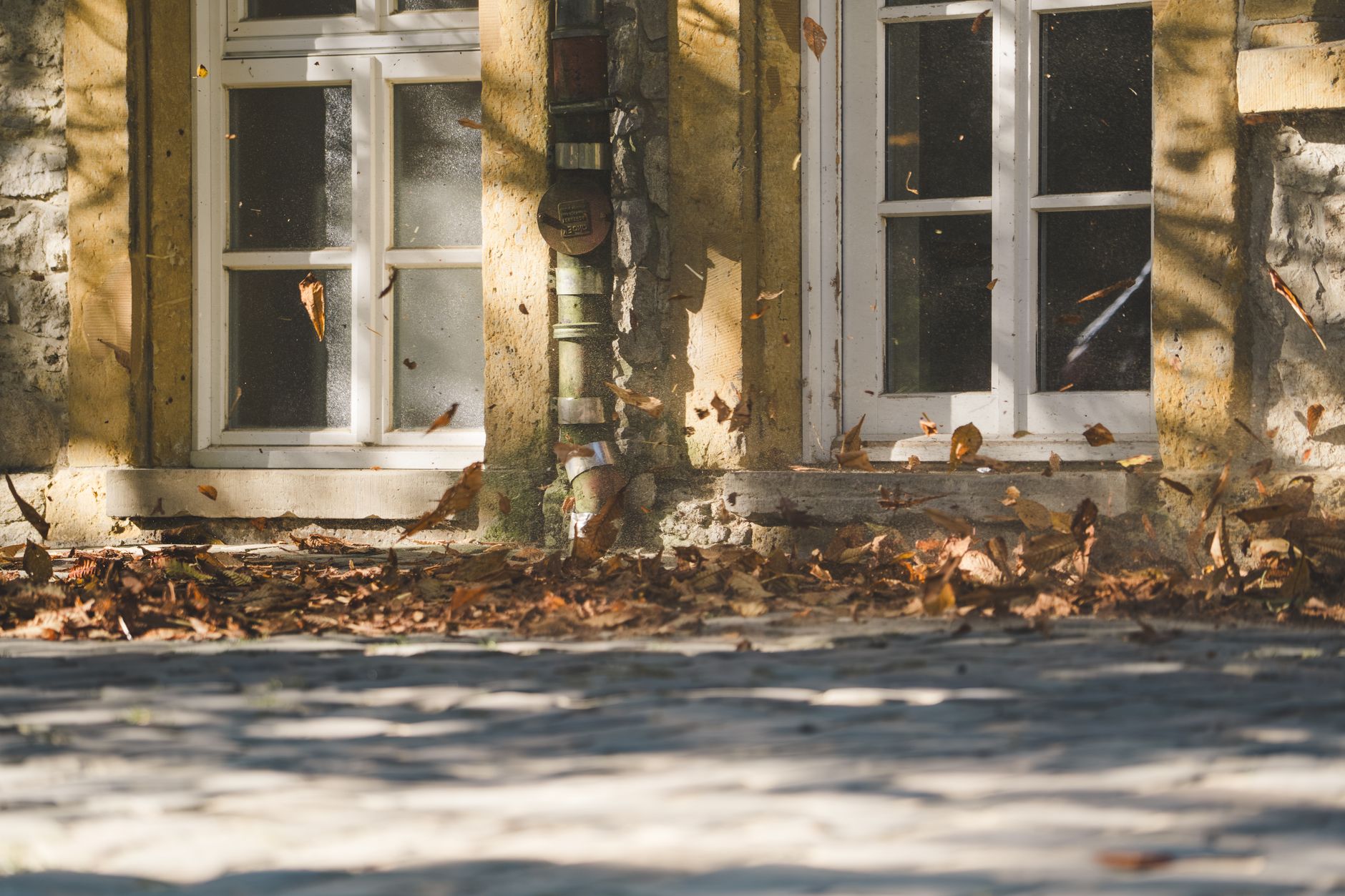
Calm fall redness and breakouts with gentle cleansing, daily moisture, and trigger-safe sun protection.
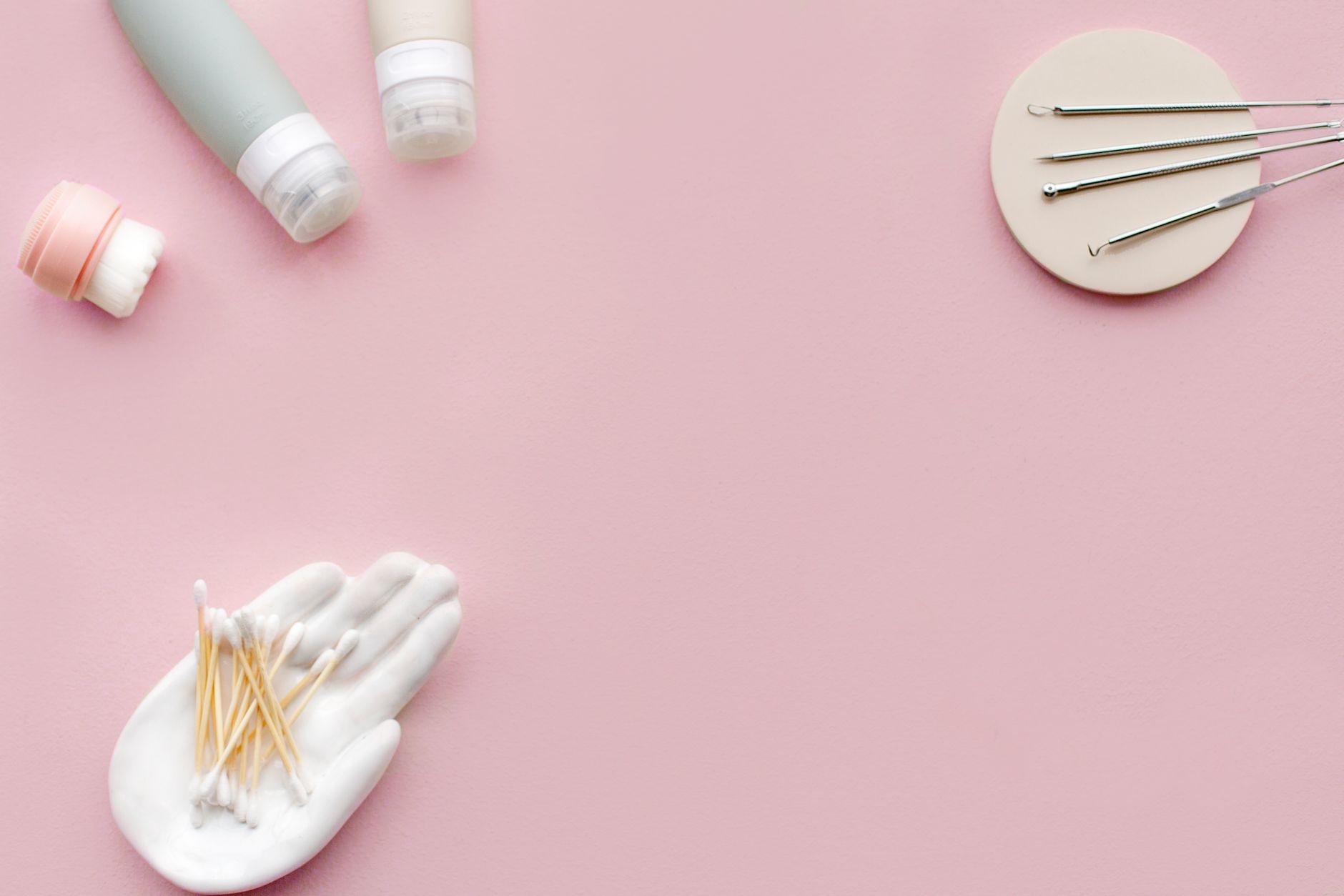
Pause salicylic acid during rosacea flares and learn gentler steps that calm redness without new bumps.
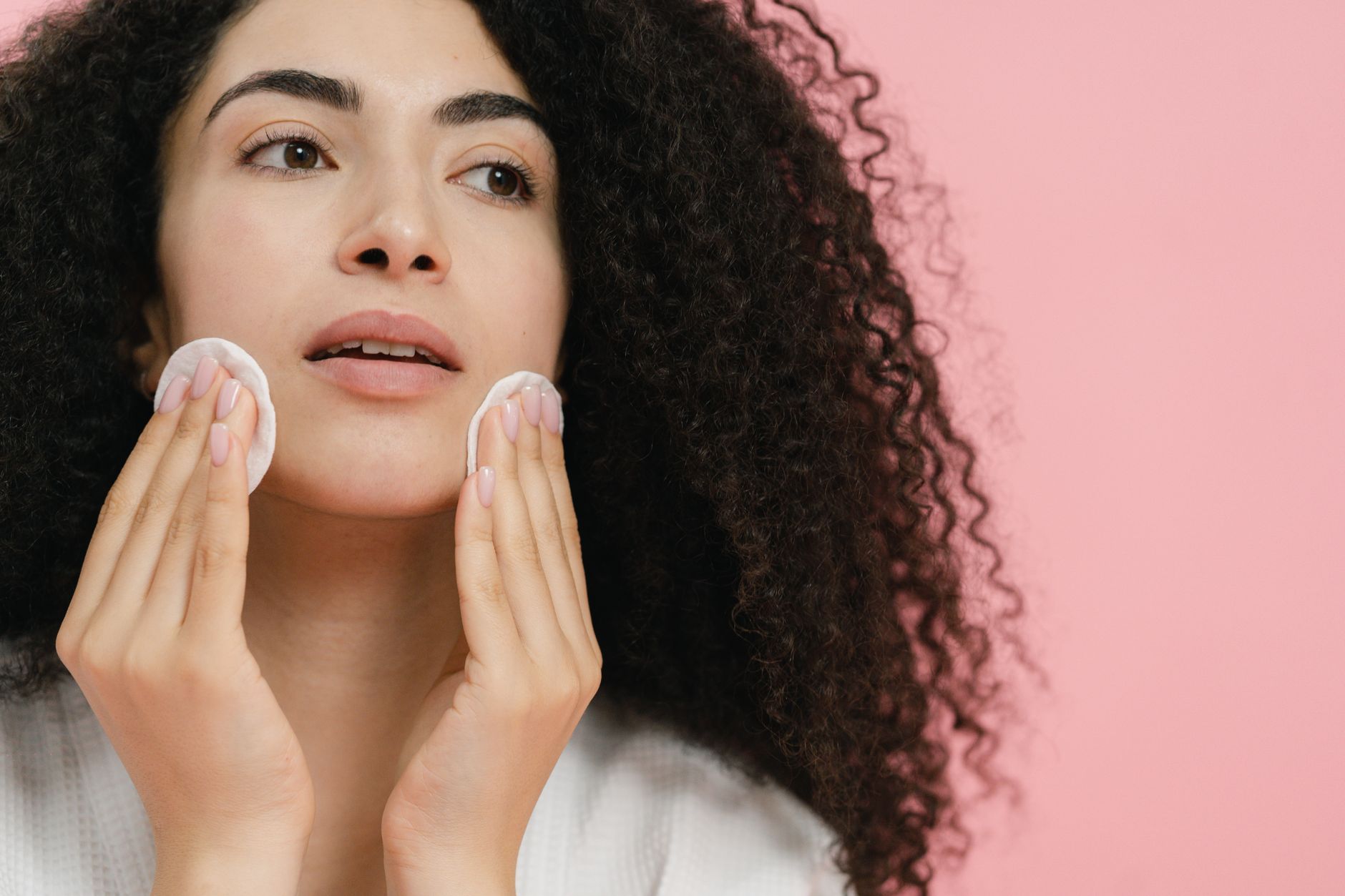
Understand why benzoyl peroxide burns rosacea-prone skin and learn gentler product swaps that reduce flare-ups.
Spot the visual clues that separate rosacea redness from cystic acne — and know when to seek follow-up.
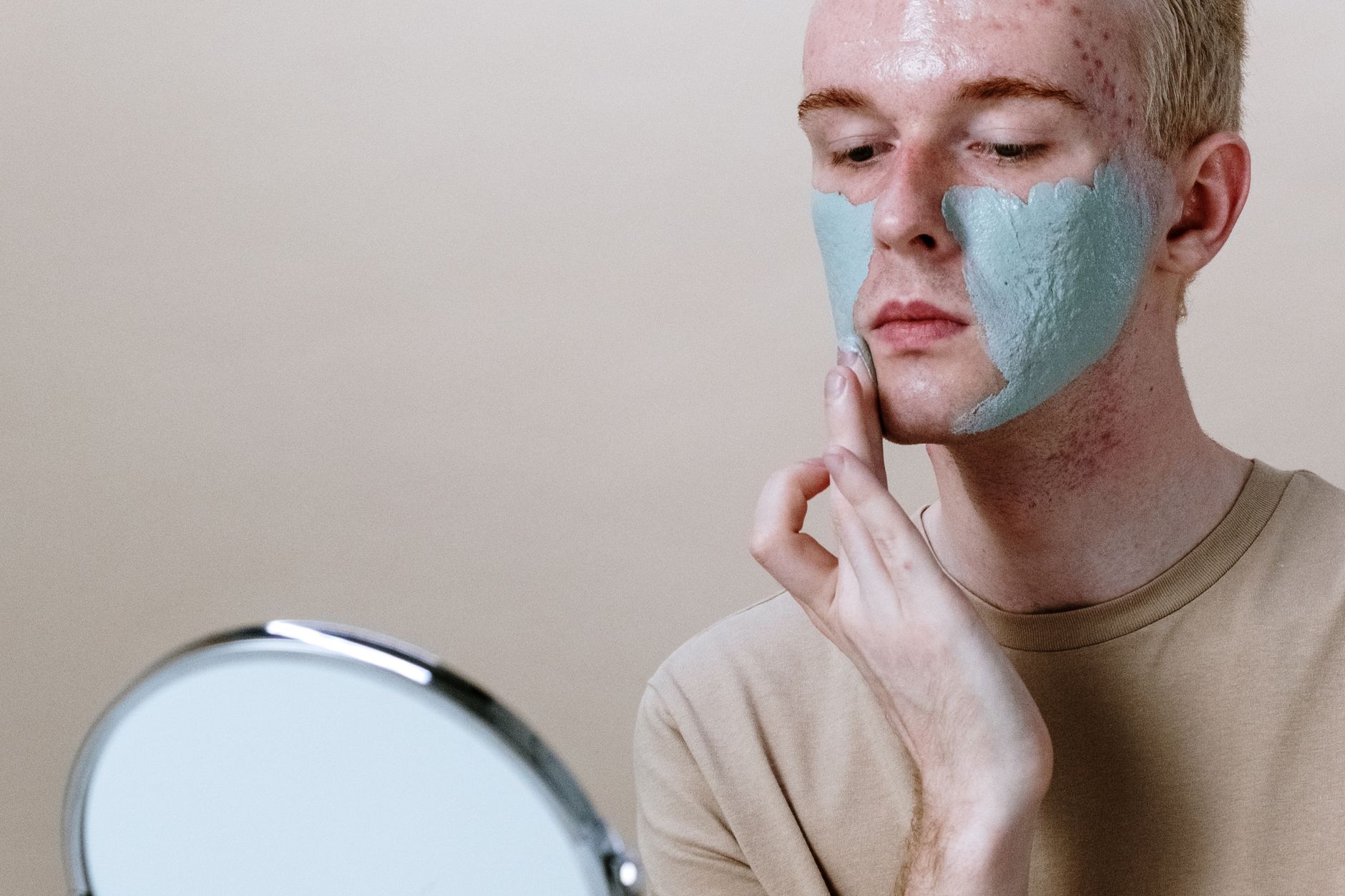
Learn rosacea signs, triggers and safe daily steps to calm redness and know when to see a doctor.

Spot diffuse rosacea redness versus acne breakouts and learn which triggers to track for care.
Compare topicals, pills and lasers by benefit and trade-off to choose rosacea care with your dermatologist.