
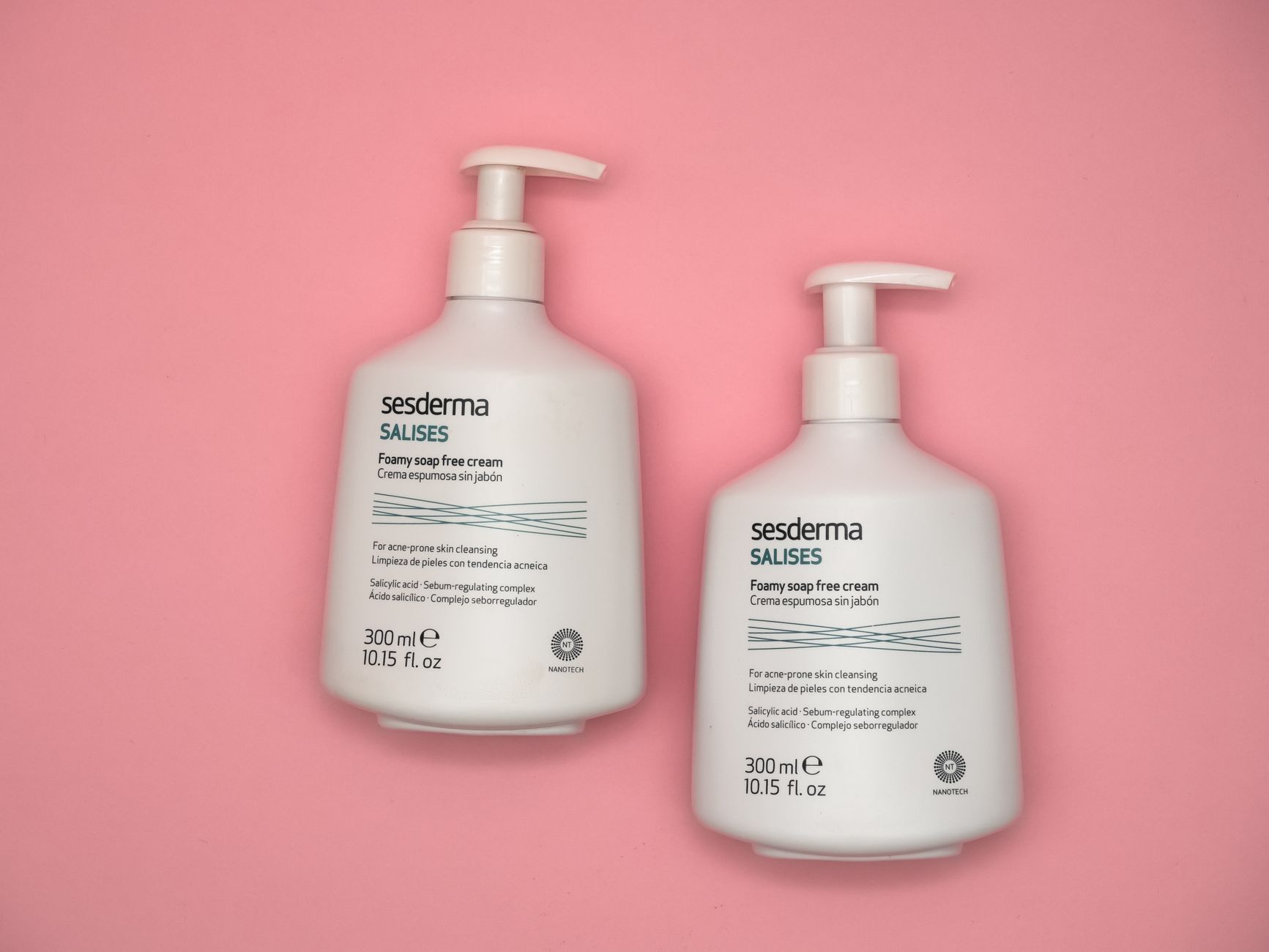
Teens with early acne should read AAD 2026 headlines as research signals, not new care standards. The meeting spotlighted industry posters and small acne surveys, while persistent teen redness usually reflects acne rather than rosacea. The AAD Annual Meeting is the yearly gathering of dermatologists for clinical updates across medical, surgical, pediatric and cosmetic care. For families, the practical takeaway is to check the headline source, compare symptoms carefully, and bring questions to a dermatologist.
Medical information disclaimer: This article is for general educational purposes only and does not provide medical advice, diagnosis, or treatment. Always consult a physician or other qualified health professional about symptoms, medications, tests, or treatment decisions.
Table of Contents
- What did AAD 2026 cover on acne?
- Why is teen redness usually not rosacea?
- What options exist for younger teens?
- How should families act on a conference headline?
What did AAD 2026 cover on acne?
Dermatology Times lists the 84th American Academy of Dermatology Annual Meeting on March 27-31, 2026 in Denver, with programming across medical, surgical, pediatric and cosmetic dermatology plus late-breaking data the March 2026 calendar. Acne sessions included treatment reviews, company poster programs and practice surveys rather than a rewrite of teen guidelines. Almirall said it presented more than 15 posters at AAD 2026, including two pooled Phase 3 evaluations of sarecycline in acne Almirall's AAD 2026 preview. Business Wire reports sarecycline is an antibiotic FDA-approved for moderate-to-severe acne in patients 9 years and older.
A poster is an early data summary for discussion, not a prescribing recommendation. A practitioner survey presented at the meeting found variable follow-up and maintenance strategies after oral isotretinoin for acne vulgaris. Brigham dermatologist John Barbieri reviewed spironolactone as an antiandrogenic, affordable systemic option principally relevant to females, alongside fixed-dose topicals and contraceptives. Families should treat these as topics to discuss, not reasons to request a named drug.
Why is teen redness usually not rosacea?
Rosacea means flushing and persistent central-face redness with triggers such as alcohol, sunlight and skin-care products. Teen acne means comedones, which are clogged pores seen as blackheads or whiteheads, plus oily skin and scattered pimples. The American Academy of Dermatology notes rosacea usually begins after age 30, while teen breakouts fit the acne pattern 7 rosacea skin-care tips. A teen with oily T-zone skin, clogged pores and changing pimples likely has early acne.
A teen with long-lasting central redness, visible flushing and few clogged pores needs in-person evaluation to sort the cause. Confusing the two matters because rosacea products do not clear comedones. Harsh scrubs, alcohol toners and sun exposure can worsen both redness and acne. Daily gentle cleansing, moisturizer and sunscreen use supports either evaluation path.
What options exist for younger teens?
AAD 2024 acne guidelines recommend topical retinoids, benzoyl peroxide and topical antibiotics as first-line for mild pediatric acne. Medscape summarizes treatment choice as guided by age, severity, scarring and location. Age labeling differs by product. Several topicals carry pediatric FDA labeling at age 9 years and older, including adapalene/benzoyl peroxide gel, trifarotene 0.005% cream, dapsone 5% gel and minocycline 4% foam.
Most other retinoids, clascoterone and azelaic acid are labeled 12 years and older. That age detail helps families read headlines carefully. A study in older teens or adults does not prove the same regimen fits a 10-year-old. Prior scarring, lesion location and tolerance for dryness or irritation also shape the choice.
How should families act on a conference headline?
Start with source type before changing care. Ask whether the headline came from a company poster, a small survey or a guideline update.
Posters and surveys raise questions for further study and rarely change first-line teen care. Use this quick check before a visit: Bring the headline to a board-certified dermatology evaluation rather than self-treating presumed rosacea or requesting a headline drug. Early acne responds best to a matched topical plan, trigger control and scheduled follow-up.
- Write the exact product, age group studied and comparison treatment.
- List current symptoms: clogged pores, oiliness, pimples, redness pattern and triggers.
- Note prior treatments, irritation, scarring and family history.
- Ask about first-line topicals, maintenance after isotretinoin if relevant, and follow-up timing.
You Might Also Like
- Pediatric Acne and Rosacea at the 2026 AAD Annual Meeting: Skin-Care Routine Questions for Teens With Early Acne
- Pediatric Acne and Rosacea at the 2026 AAD Annual Meeting: Scarring and Pigment-Change Questions for Teens With Early Acne
- Pediatric Acne and Rosacea at the 2026 AAD Annual Meeting: Diagnosis and Look-Alike Questions for Teens With Early Acne