
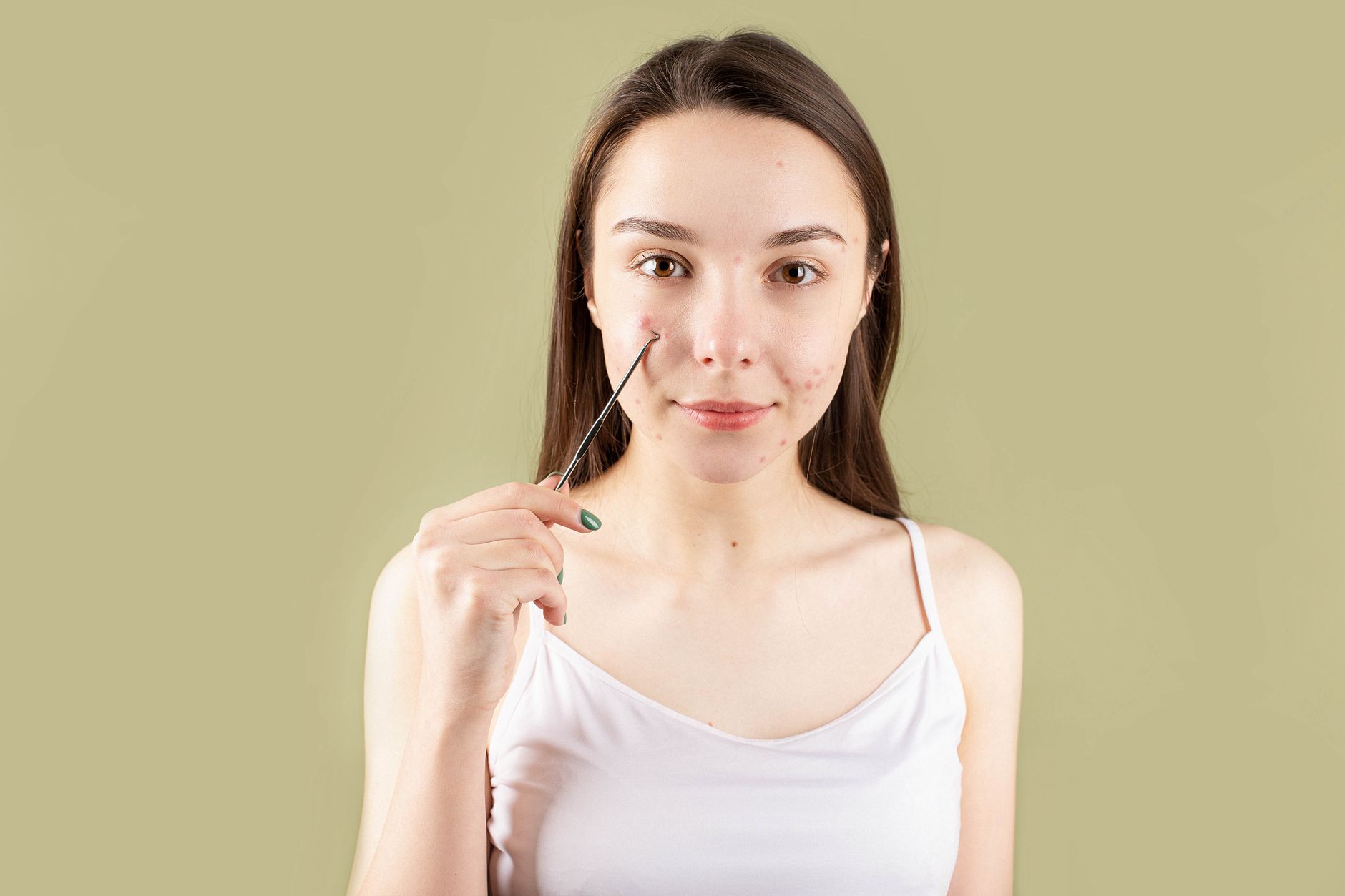
Pediatric acne and rosacea at the 2026 AAD Annual Meeting put scarring and pigment change first for teens with early acne. The practical message was treat inflammation early, protect healing skin from light, and sort acne from rosacea before chasing scars.
Pediatric acne means breakouts in childhood and the early teen years. Rosacea means lasting facial redness with bumps, flushing, or eye irritation. Both can leave marks, but they need different care.
Medical information disclaimer: This article is for general educational purposes only and does not provide medical advice, diagnosis, or treatment. Always consult a physician or other qualified health professional about symptoms, medications, tests, or treatment decisions.
Table of Contents
- Can mild early acne leave scars?
- What prevents dark marks after breakouts?
- Which acne treatments fit children and teens?
- Is it acne, rosacea, or both?
Can mild early acne leave scars?
Yes. Acne vulgaris affects up to 85% of adolescents, and longer duration and greater severity increase scarring risk, according to a Benha University review in Egyptian Knowledge Bank journals Benha University review. Post-acne scarring was reported in up to 95% of acne patients in some cohorts in that review.
Even noninflammatory comedonal acne can scar. Comedones are clogged pores without much redness or pain. In one prospective study reported by MDedge Dermatology, 23 of 25 participants had scars by 3 months and about half of new scars arose from noninflammatory lesions MDedge Dermatology report. That finding supports early, steady treatment rather than waiting for severe breakouts.
What prevents dark marks after breakouts?
Treat the active acne first. Postinflammatory hyperpigmentation means flat brown, gray, or dark-red marks left where inflammation fades. For pediatric patients, treating the underlying inflammatory acne first is the essential step.
Daily sun protection helps prevent darkening and slow fading. The American Academy of Family Physicians advises daily broad-spectrum SPF 30+ sunscreen, including tinted sunscreen with iron oxide, to reduce harm from UV and visible light AAFP guidance on skin of color. Teens can make this routine simple:.
- cleanse gently, then apply acne treatment as directed
- apply broad-spectrum SPF 30+ each morning, reapply for long outdoor time
- choose tinted sunscreen with iron oxide when marks darken easily
- avoid picking, harsh scrubs, and tanning
Which acne treatments fit children and teens?
AAD guidance favors combinations that clear inflammation and prevent new lesions. The updated acne-vulgaris guidelines strongly recommend topical benzoyl peroxide, topical retinoids and antibiotics in fixed combinations plus oral doxycycline, and oral isotretinoin for severe acne, scarring, psychosocial burden or treatment failure.
Children ages 9 and older have an FDA-approved early-acne option. Managed Healthcare Executive reported FDA approval of adapalene 0.1%/benzoyl peroxide 2.5% gel after a 12-week randomized vehicle-controlled trial in ages 9-11 showed safe, effective improvement. A dermatologist can match strength, vehicle, and duration to age, severity, skin tone, and scarring risk.
Is it acne, rosacea, or both?
Pediatric rosacea can begin in childhood and adolescence. It most often appears as papulopustular facial lesions plus ocular disease with eye irritation and meibomian-gland dysfunction, according to Cutis authors Kellen and Silverberg. Papulopustular means red bumps and pus-filled pimples.
Meibomian-gland dysfunction means blocked oil glands along the eyelids. That pattern must be distinguished from acne and eczema. A teen with lasting redness across cheeks or nose, easy flushing, burning, or gritty, red, or swollen eyes needs dermatology plus eye evaluation and sun-protective, anti-inflammatory-first care rather than scar-directed procedures alone, a point emphasized in a December 2025 Journal of Clinical Medicine retrospective study on pediatric rosacea. Do not start peels, microneedling, or laser for presumed acne scars until the diagnosis is clear.
You Might Also Like
- Pediatric Acne and Rosacea at the 2026 AAD Annual Meeting: Skin-Care Routine Questions for Teens With Early Acne
- Pediatric Acne and Rosacea at the 2026 AAD Annual Meeting: Diagnosis and Look-Alike Questions for Teens With Early Acne
- Pediatric Acne and Rosacea at the 2026 AAD Annual Meeting: When to Seek Care for Teens With Early Acne