
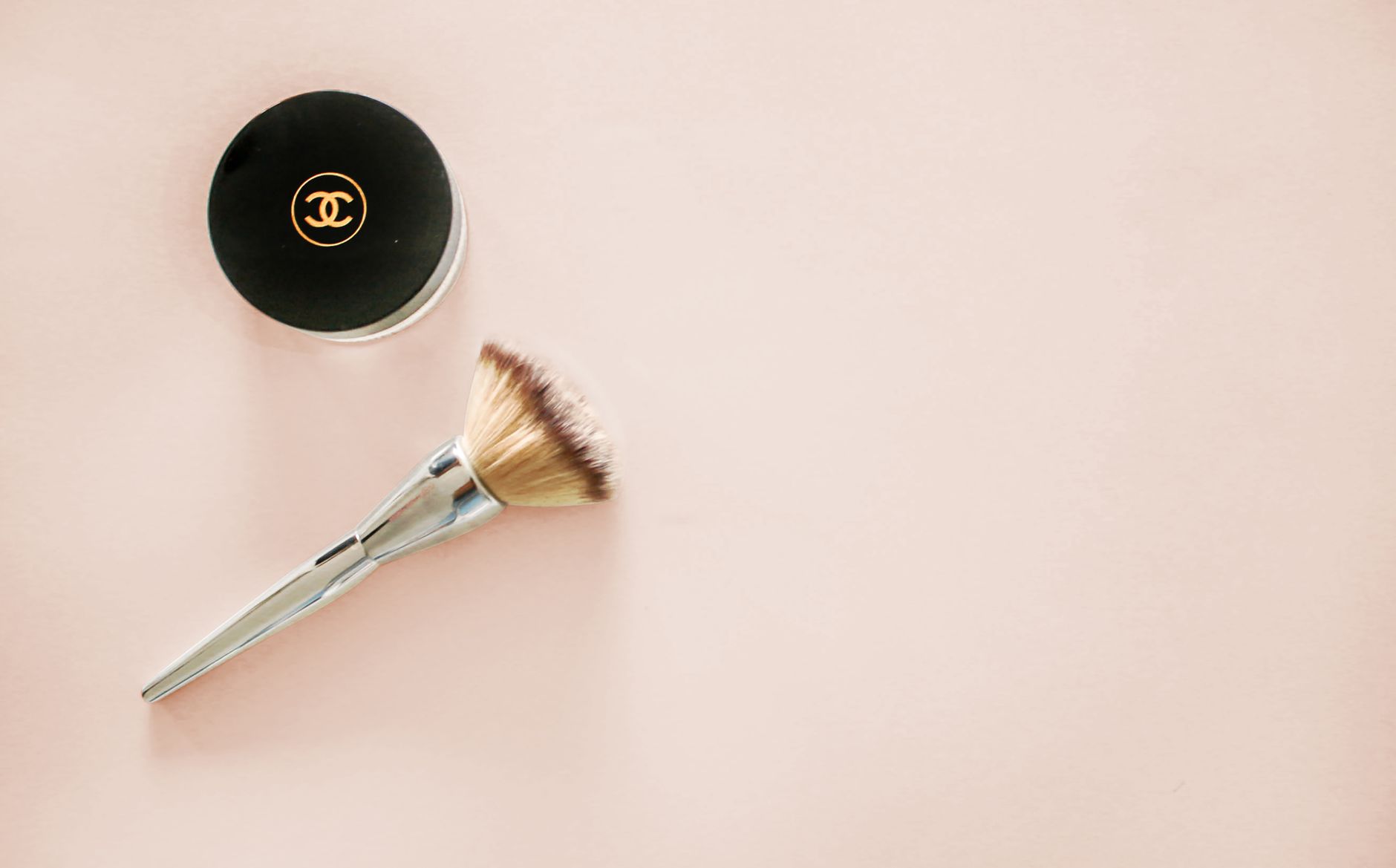
Noncomedogenic makeup means makeup unlikely to clog pores, and the American Academy of Dermatology says people with acne-prone skin can wear it if they choose oil-free, noncomedogenic products suited to their skin type, according to its acne-prone skin makeup guidance. Foundation or concealer containing salicylic acid can give coverage while helping prevent and reduce breakouts. Label claims alone do not settle the choice. Testing, ingredients, removal, and applicator hygiene decide whether makeup works for breakout-prone skin.
Medical information disclaimer: This article is for general educational purposes only and does not provide medical advice, diagnosis, or treatment. Always consult a physician or other qualified health professional about symptoms, medications, tests, or treatment decisions.
Table of Contents
- Why the label alone is not enough
- Which formulas are easier for acne-prone skin?
- How should makeup come off at night?
- How do brushes and habits clog pores?
Why the label alone is not enough
A product labeled noncomedogenic is not always tested to a common standard. Medical News Today reports that the U.S.
Food and Drug Administration does not define or regulate the term, so brands can use it without required standardized testing, as explained in its noncomedogenic overview. That gap makes the ingredient list more useful than the front label. Research published by the Journal of the Society of Cosmetic Chemists flags coconut oil and butter, cocoa butter, and isopropyl myristate and related esters as known highly comedogenic agents to avoid.
Which formulas are easier for acne-prone skin?
Lightweight, oil-free mineral or gel formulas suit many sensitive acne-prone users. Consultant dermatologist Dr.
Anjali Mahto advises fragrance-free removers and cleansers alongside those lighter formulas. Introduce only one new product at a time. That single-change test makes it easier to spot which formula causes clogged pores, redness, or new pimples.
How should makeup come off at night?
Remove all makeup before bed with an oil-free remover plus a gentle cleanser. Avoid scrubbing, then apply nighttime acne medication followed by noncomedogenic moisturizer. A short order helps:.
- Remove makeup fully with oil-free remover
- Cleanse gently without scrubbing
- Apply nighttime acne medication
- Seal with noncomedogenic moisturizer
How do brushes and habits clog pores?
Dermatologist Melissa Piliang at Cleveland Clinic advises applying makeup gently, cleaning brushes weekly, discarding products that are old or smell changed, and avoiding shared makeup, as described in its brush-cleaning guidance. Dirty applicators transfer oil, bacteria, and residue that plug pores.
Use clean fingers, sponges, or brushes and press rather than rub. Replace a product promptly when texture, color, or smell changes.