
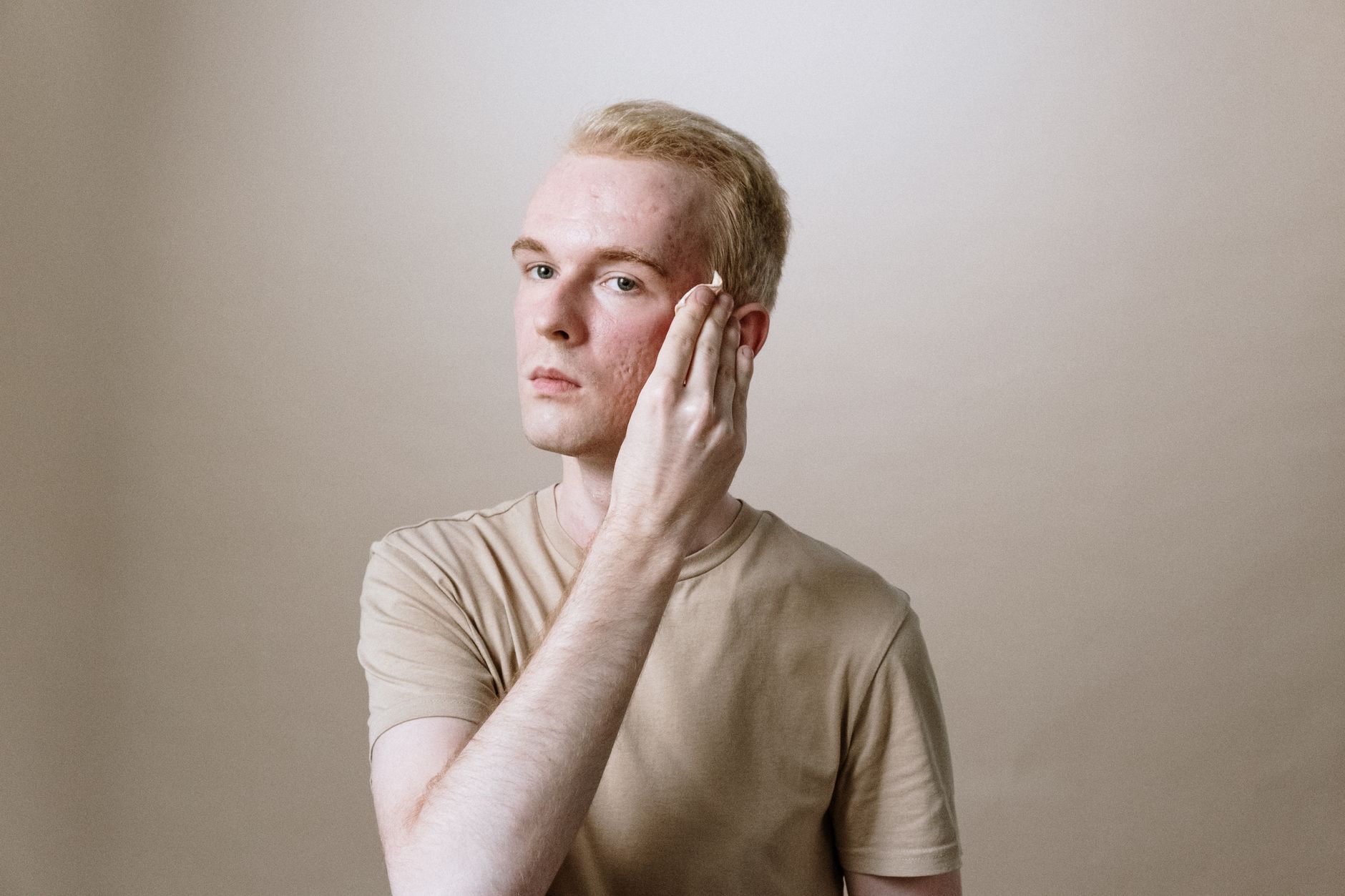
Teens with early acne do best with gentle cleansing twice daily, light moisture, and daily sunscreen. Pediatric acne means teen breakouts, rosacea means central-face flushing, and both were featured in the March 27 acne and rosacea program in Denver. The 2026 American Academy of Dermatology Annual Meeting ran March 27-31, 2026, in Denver, according to Incyte's meeting preview on Business Wire. HCPLive reported the program included a March 27 Acne and Rosacea session plus a Society for Pediatric Dermatology pre-meeting on children's skin disease.
Medical information disclaimer: This article is for general educational purposes only and does not provide medical advice, diagnosis, or treatment. Always consult a physician or other qualified health professional about symptoms, medications, tests, or treatment decisions.
Table of Contents
- What goes in a starter routine for early acne?
- When should care move beyond the basics?
- Could lasting redness be pediatric rosacea?
- What safety check matters for benzoyl peroxide?
What goes in a starter routine for early acne?
A simple routine works for early breakouts. American Academy of Dermatology news recommends gentle cleansing twice daily, lightweight hydration, and daily sun protection.
That advice appears in the Academy's dermatologist guide to skin care. Choose oil-free products labeled non-comedogenic or non-acnegenic. AAD patient education via Downtown Dermatology warns against picking, popping, or scrubbing pimples because picking prolongs healing, spreads bacteria, and risks scarring.
- Wash gently morning and night.
- Use lightweight, oil-free moisturizer.
- Apply daily sunscreen.
- Add salicylic acid or benzoyl peroxide only for oil and breakouts.
When should care move beyond the basics?
Early acne often improves with consistent basic care and one targeted active. If breakouts spread, feel painful, leave marks, or do not improve, families should ask a clinician about prescription options.
Updated 2024 AAD acne guidelines in the Journal of the American Academy of Dermatology strongly recommend topical benzoyl peroxide, retinoids, antibiotics, or fixed combinations. AAD reporting via MedicalXpress notes acne affects 85% of adolescents. Bring notes about breakout locations, oiliness, current products, and redness triggers to the visit.
Could lasting redness be pediatric rosacea?
Pediatric rosacea often starts with central flushing of cheeks, forehead, nose, and skin around the eyes. Stress, sun, heat, wind, or exercise can trigger flushing, Cutis reported via MDedge.
It is often confused with acne or eczema in adolescents. Look for flushing rather than clogged pores and pimples alone. Every rosacea plan centers on gentle cleanser, moisturizer, sunscreen, and trigger avoidance, with medication or laser or light therapy added as needed, according to the American Academy of Dermatology in its rosacea treatment guidance.
What safety check matters for benzoyl peroxide?
FDA testing found elevated benzene in six benzoyl peroxide acne products, prompting 2025 recalls. Dermatology Advisor reporting on FDA action says cancer risk remains very low even with decades of daily use, as explained in its benzene recall report.
Check product lot numbers against recall notices before use. Store acne products in a cool place and discard recalled lots.
You Might Also Like
- Pediatric Acne and Rosacea at the 2026 AAD Annual Meeting: Diagnosis and Look-Alike Questions for Teens With Early Acne
- Pediatric Acne and Rosacea at the 2026 AAD Annual Meeting: When to Seek Care for Teens With Early Acne
- Early Pediatric Acne Assessment Highlighted at AAD 2026: Diagnosis and Look-Alike Questions for Parents of Children With Acne