
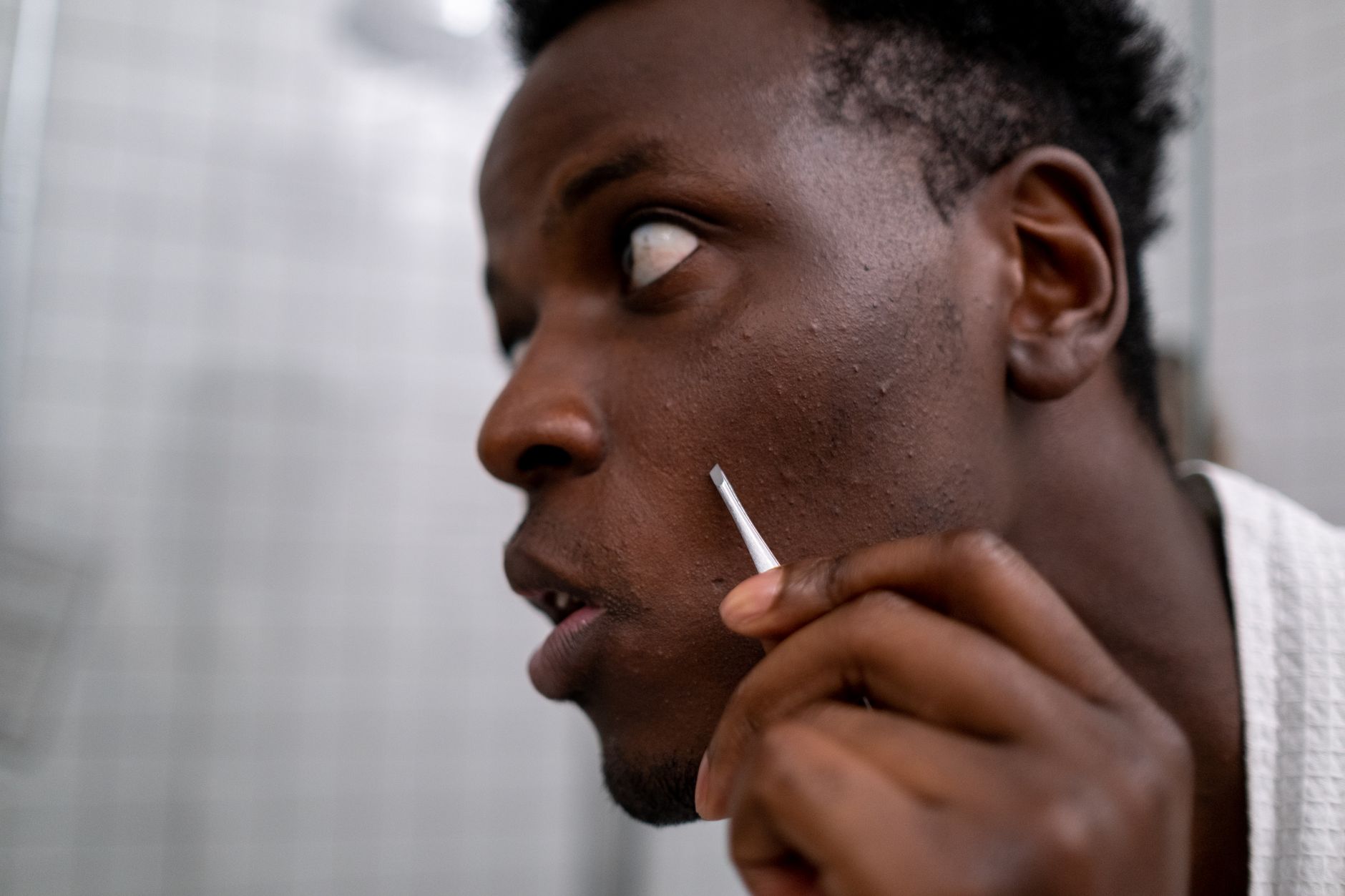
Extraction is the removal of blackheads and whiteheads with sterile instruments, and in September 2026 the expert consensus is unchanged: it is safe when a dermatologist does it and risky when you do it yourself. The American Academy of Dermatology (AAD) endorses professional extraction as a safe way to clear these lesions, warns against at-home popping, and treats extraction as a backup to medication rather than a first-line therapy. The questions below cover who should consider extraction, what the guidelines actually say about it, what to do instead of picking, and a recent safety question about benzoyl peroxide. Each answer is tied to the AAD, its published guidelines, or the FDA.
Medical information disclaimer: This article is for general educational purposes only and does not provide medical advice, diagnosis, or treatment. Always consult a physician or other qualified health professional about symptoms, medications, tests, or treatment decisions.
Table of Contents
- Why shouldn't I pop my own pimples?
- How is professional extraction different?
- Is extraction actually backed by evidence?
- What can I do instead of picking?
- Is benzoyl peroxide still safe after the benzene recalls?
- Frequently Asked Questions
Why shouldn't I pop my own pimples?
Because squeezing usually makes the lesion worse, not better. The American Academy of Dermatology warns that popping pimples at home can push bacteria deeper into the skin, introduce infection from bacteria on your hands, and make the lesion more painful and more noticeable than it was. The lasting cost is scarring.
Self-extraction can leave permanent acne scars, which are harder to treat than the pimple ever was. A blemish resolves in days; a pick-related scar can be permanent. This matters to a large group. The AAD reports acne affects up to 50 million Americans a year, about 85% of people aged 12–24 get at least minor acne, and adult acne affects up to 15% of women — so the temptation to squeeze is not a teenage-only problem.
How is professional extraction different?
A dermatologist performs acne extraction with sterile instruments under controlled conditions, and the AAD describes it as a safe way to clear blackheads and whiteheads. The sterile technique is the point: it avoids the bacteria transfer and tissue damage that make home popping risky. It is rarely the first thing a dermatologist offers.
Extraction is time-consuming and can be expensive, so it is typically reserved for cases where other acne treatments have failed to clear the skin. It is also not a cure. Extracted blackheads and whiteheads can return, so the AAD notes patients still need an ongoing skin-care plan after the procedure. Expect extraction to clear what is there today, not to prevent what forms next month.
Is extraction actually backed by evidence?
Less firmly than you might assume. The AAD's updated acne guidelines, published in the Journal of the American Academy of Dermatology in January 2024, concluded the evidence was insufficient to recommend for or against acne lesion extraction. The procedure rests on clinical judgment, not a strong evidence-based recommendation. What the evidence does support is medication.
The same 2024 guidelines issued 18 evidence-based recommendations centered on topical and systemic therapies — benzoyl peroxide, topical retinoids, oral antibiotics, and isotretinoin. Medication, not extraction, remains the guideline-backed core of acne care. The practical reading: treat extraction as a supplement a dermatologist may offer for stubborn comedones, not as a substitute for a treatment plan. The AAD advises giving a treatment plan six to eight weeks to work before escalating.
What can I do instead of picking?
Hydrocolloid patches now have trial evidence behind them. A 14-day randomized controlled trial in subjects aged 12–35, reported in the Journal of the American Academy of Dermatology in 2024, found the patches significantly improved the wound appearance of already-popped pimples by Days 1 and 4 — smoothness, crusting, redness, size, and elevation — and modestly reduced the diameter of closed pimples by Day 4.
That makes patches a reasonable answer to the urge itself: covering a blemish keeps hands off it and improves how a picked spot heals. The effect on unpopped pimples was modest, so patches are a harm-reduction tool, not a treatment plan. A workable home approach in order of preference:.
- Start or continue a guideline-backed treatment (benzoyl peroxide or a topical retinoid) and give it six to eight weeks.
- Cover tempting lesions with a hydrocolloid patch instead of squeezing.
- Ask a dermatologist about professional extraction only if treatment fails to clear comedones.
Is benzoyl peroxide still safe after the benzene recalls?
Yes, per both regulators and dermatologists. In March 2025 the FDA reported testing 95 benzoyl peroxide acne products for benzene contamination.
More than 90% showed undetectable or extremely low benzene; six showed elevated levels, and manufacturers voluntarily recalled seven products at the retail level, including specific lots of La Roche-Posay Effaclar Duo, Proactiv+ Emergency Blemish Relief, and Walgreens Acne Control Cleanser. The FDA stated that even decades of daily use of the affected products carries a very low cancer risk from the benzene levels found, and the AAD's consumer FAQ advises patients they can continue using benzoyl peroxide. Since benzoyl peroxide is one of the medications the 2024 guidelines actually recommend, staying on it beats abandoning treatment — and drifting back to picking.
Frequently Asked Questions
How long should I try a treatment before asking about extraction?
The AAD advises giving a treatment plan six to eight weeks to work; extraction is typically offered only after other treatments fail.
Do hydrocolloid patches work on pimples I haven't popped?
The 2024 JAAD trial found only a modest reduction in closed-pimple diameter by Day 4; the clearer benefit was in healing already-popped spots.
How do I know if my benzoyl peroxide product was recalled?
Seven products were recalled at retail in March 2025, including specific lots of La Roche-Posay Effaclar Duo and Proactiv+ Emergency Blemish Relief; the FDA's recall notice lists the affected lots.