
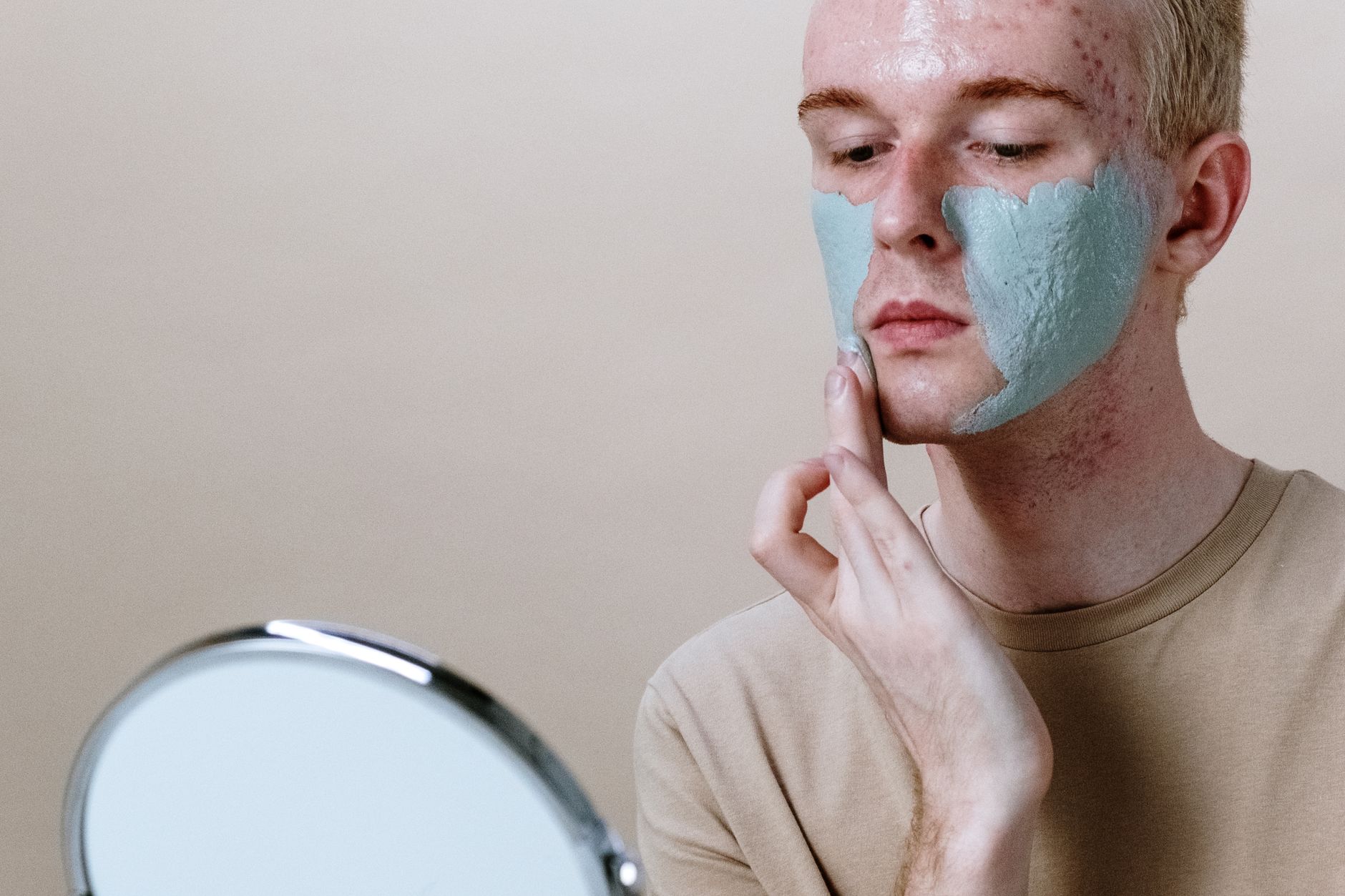
Rosacea and acne can look alike, but they are different conditions that may need different treatment plans. In September 2026, the clearest next step is to identify the pattern of symptoms and get a dermatologic diagnosis when redness, flushing, burning, or eye symptoms are involved. Rosacea is a long-term inflammatory skin condition with no cure, but treatment, gentle care, and avoiding personal triggers can reduce flares and discomfort. Acne involves clogged pores and acne-associated bacteria, and treatment often centers on ingredients such as benzoyl peroxide and topical retinoids.
Medical information disclaimer: This article is for general educational purposes only and does not provide medical advice, diagnosis, or treatment. Always consult a physician or other qualified health professional about symptoms, medications, tests, or treatment decisions.
Table of Contents
- Is it rosacea or acne?
- What can trigger a rosacea flare?
- Which rosacea treatments help redness and bumps?
- Can benzoyl peroxide work if you have rosacea too?
- When are eye symptoms or severe acne urgent?
Is it rosacea or acne?
acne commonly produces blackheads, whiteheads, and pimples. rosacea can cause acne-like bumps, but persistent redness or darker violet discoloration across the central face is an important clue. Flushing, visible blood vessels, burning, or stinging also point more toward rosacea than ordinary acne.
The American Academy of Dermatology notes that accurate diagnosis matters because rosacea can resemble acne while requiring a different approach. The AAD's acne-versus-rosacea guidance Do not assume that every facial bump needs a strong acne routine. If a product causes repeated burning, redness, or worsening flushing, pause it and discuss the pattern with a dermatologist.
What can trigger a rosacea flare?
Rosacea triggers are personal rather than universal. Heat, alcohol, spicy foods, stress, sun exposure, and irritating skin-care products can provoke flushing or a flare for some people. A simple diary can make patterns easier to spot.
Record what happened before flushing or discomfort, including food, weather, exercise, stress, sun exposure, and new products. The goal is not to avoid everything indefinitely. It is to identify the exposures that reliably affect your own skin.
- Note the time and severity of the flare.
- Track one change at a time when possible.
- Keep products gentle while you look for patterns.
- Bring the diary to a dermatology appointment.
Which rosacea treatments help redness and bumps?
For persistent facial redness, FDA-approved brimonidine gel and oxymetazoline cream can temporarily fade discoloration for up to 12 hours. According to the American Academy of Dermatology, the effect is usually strongest about three to six hours after application before color returns. The AAD's rosacea treatment overview Inflammatory rosacea bumps may respond to prescription topical treatments such as azelaic acid, ivermectin, or metronidazole.
Slight improvement can appear after three to four weeks, but a noticeable difference often takes two to three months. That timeline matters when judging a treatment. Stopping after a few days because bumps have not disappeared can make it harder to tell whether a tolerated treatment would have helped.
Can benzoyl peroxide work if you have rosacea too?
Benzoyl peroxide is a well-supported acne treatment and can reduce acne-associated bacteria and blocked pores. The American Academy of Dermatology strongly supports benzoyl peroxide, topical retinoids, and certain combinations with antibiotics for acne; it also advises pairing topical or oral antibiotics with benzoyl peroxide to help limit antibiotic resistance. The AAD's updated acne-management guideline summary But benzoyl peroxide can cause dryness, peeling, irritation, sun sensitivity, and bleaching of hair or fabric.
It generally begins working in about four weeks, according to the NHS. The NHS benzoyl peroxide medicine guide That tradeoff is especially relevant if rosacea is possible, because irritated skin may flush or sting more easily. A clinician can help separate true acne from rosacea bumps and decide whether an acne active is appropriate for your skin.
When are eye symptoms or severe acne urgent?
Rosacea can affect the eyes. Dryness, watering, irritation, bloodshot eyes, and swollen red eyelids deserve prompt medical care; symptoms that threaten eyesight require immediate ophthalmology referral.
Severe acne, or acne that has not responded to standard topical or oral treatment, may be a reason to discuss isotretinoin. In the United States, isotretinoin dispensing is governed by the iPLEDGE REMS to reduce embryo-fetal exposure through controlled safeguards. The FDA's iPLEDGE REMS information Seek prompt evaluation rather than self-treating if you have:.
- Eye pain, vision changes, or severe eye redness.
- Persistent facial burning or swelling.
- Worsening dark or violet facial discoloration.
- Severe or treatment-resistant acne that is not improving with prescribed care.