
Can Salicylic Acid Loosen a Blackhead Before Extraction?
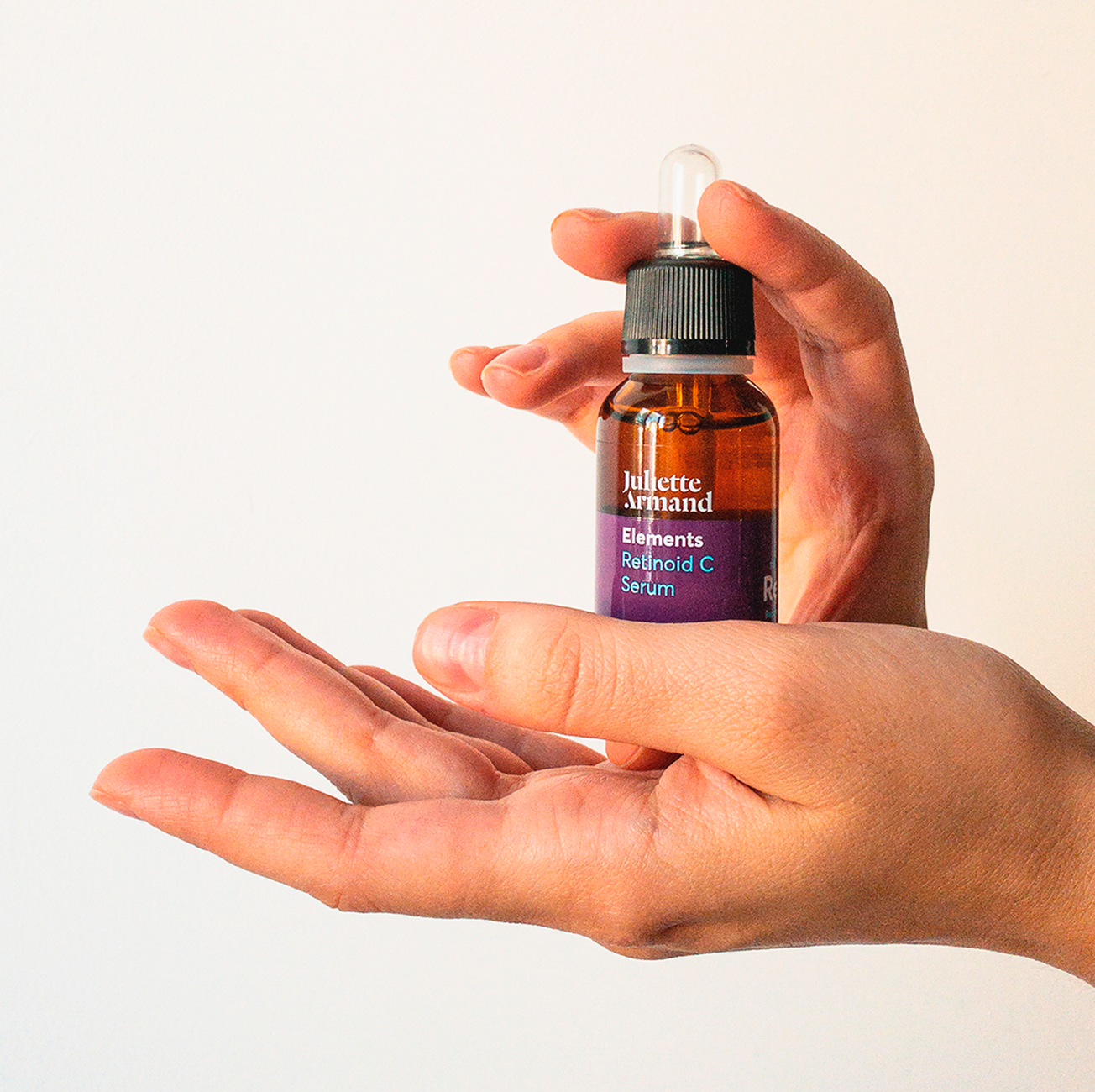
Learn how daily 2% salicylic acid softens plugs for safer clinical extraction and fewer new blackheads.
Learn how daily 2% salicylic acid softens plugs for safer clinical extraction and fewer new blackheads.

See the exact extractor, prep, and aftercare dermatologists use so you can decide when to book help.

Learn which spots scar most, why clinic tools differ, and which hands-off steps lower lasting marks.
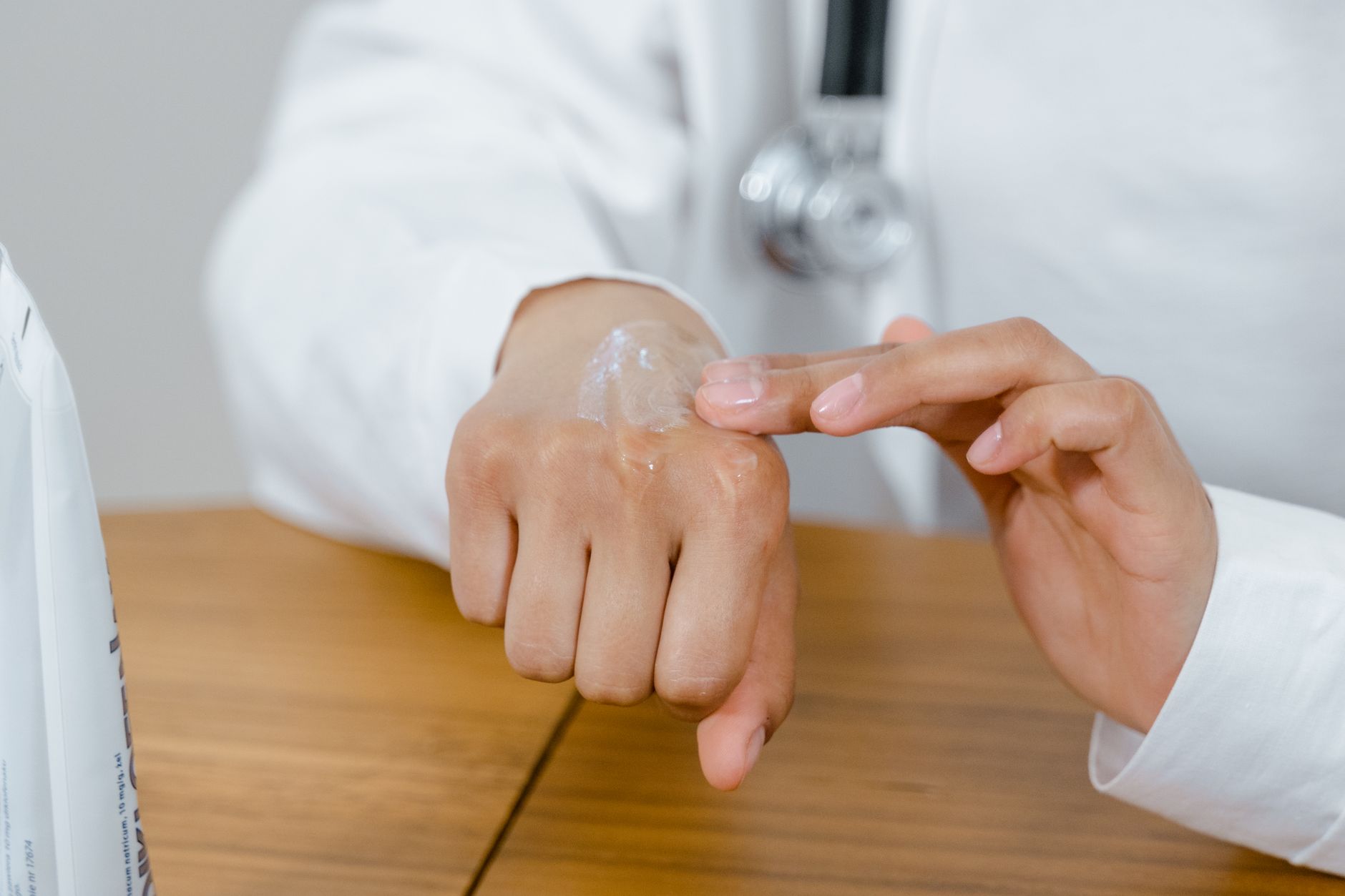
A four-to-six-week extraction schedule works only when paired with the daily topicals that keep blackheads from reappearing between visits.

A dermatologist’s sterile extraction and a 6-8 week retinoid trial both outrank at-home popping — here’s when each actually applies.
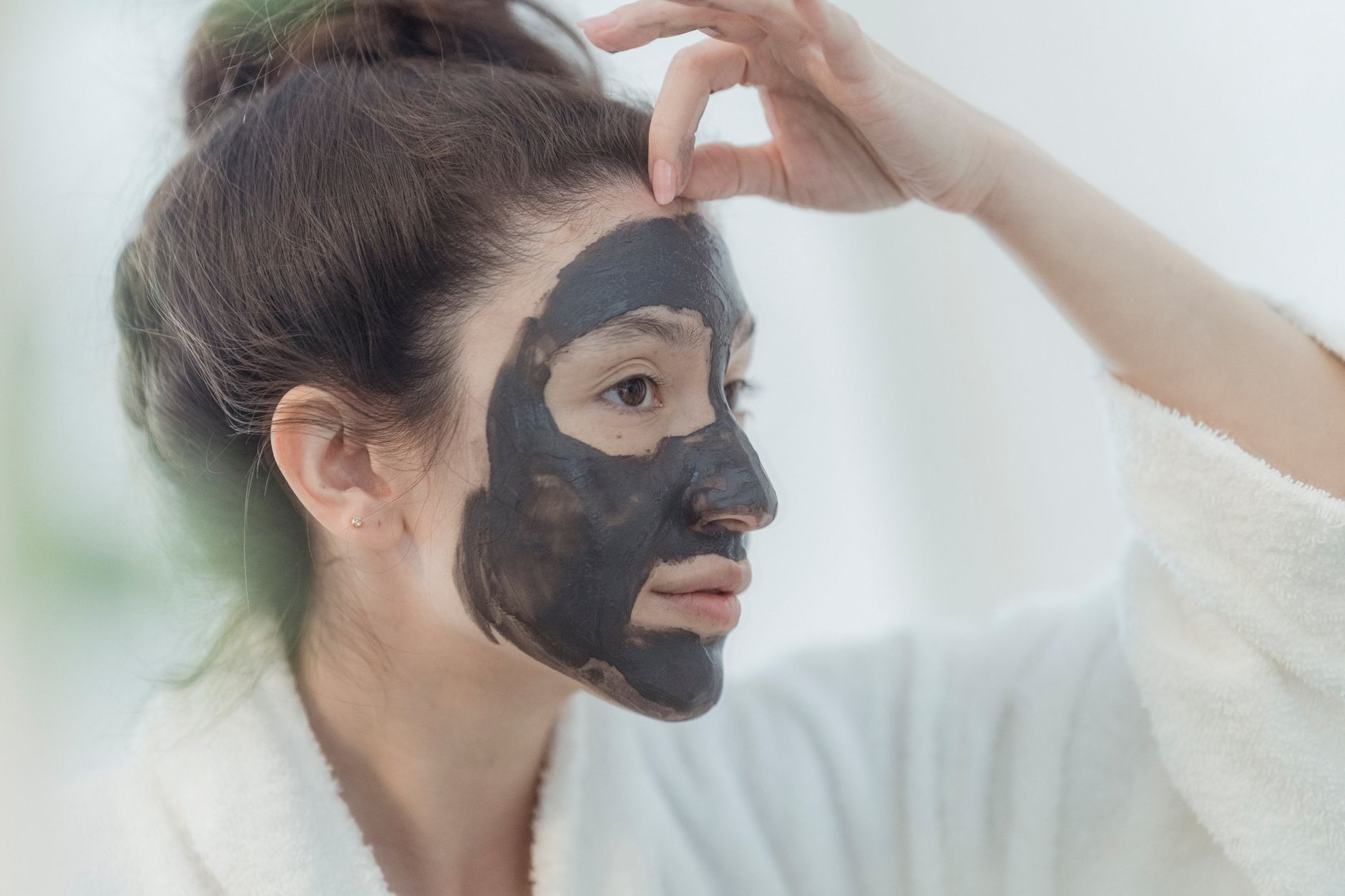
A dermatologist explains exactly which blackheads are safe to extract yourself, which ones to leave alone, and why the method matters as much as the decision.

Learn which facial steps calm acne-prone skin, which ones to skip, and how to pick safer products.
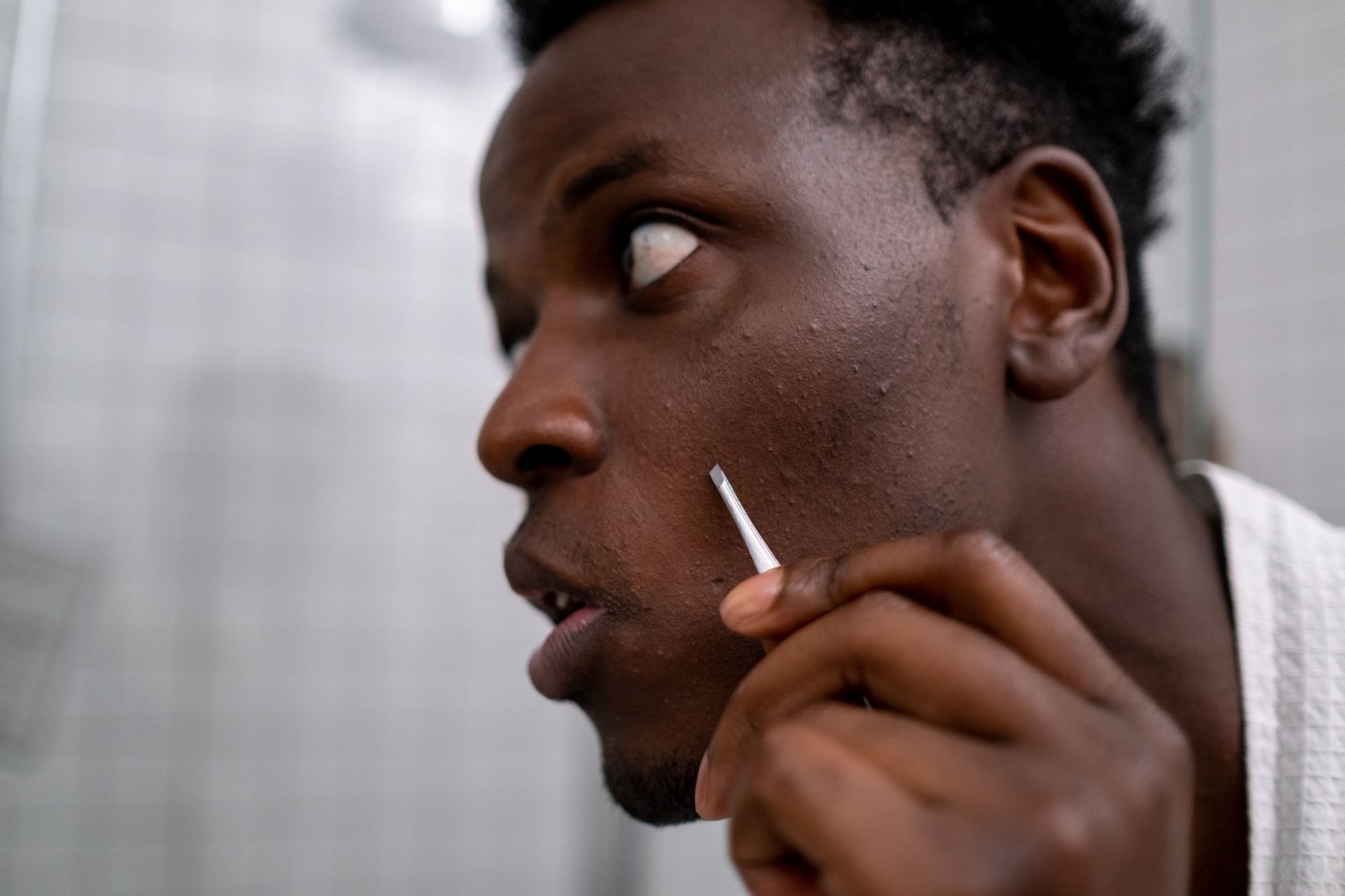
Learn which blackheads and whiteheads benefit from in-office removal and which inflamed lesions to leave alone.

Match your patch to your pimple: hydrocolloid for oozing whiteheads, microdarts for buried early spots.

Learn which acne treatments have trial support and how to avoid facial practices that cause burns or scars.