
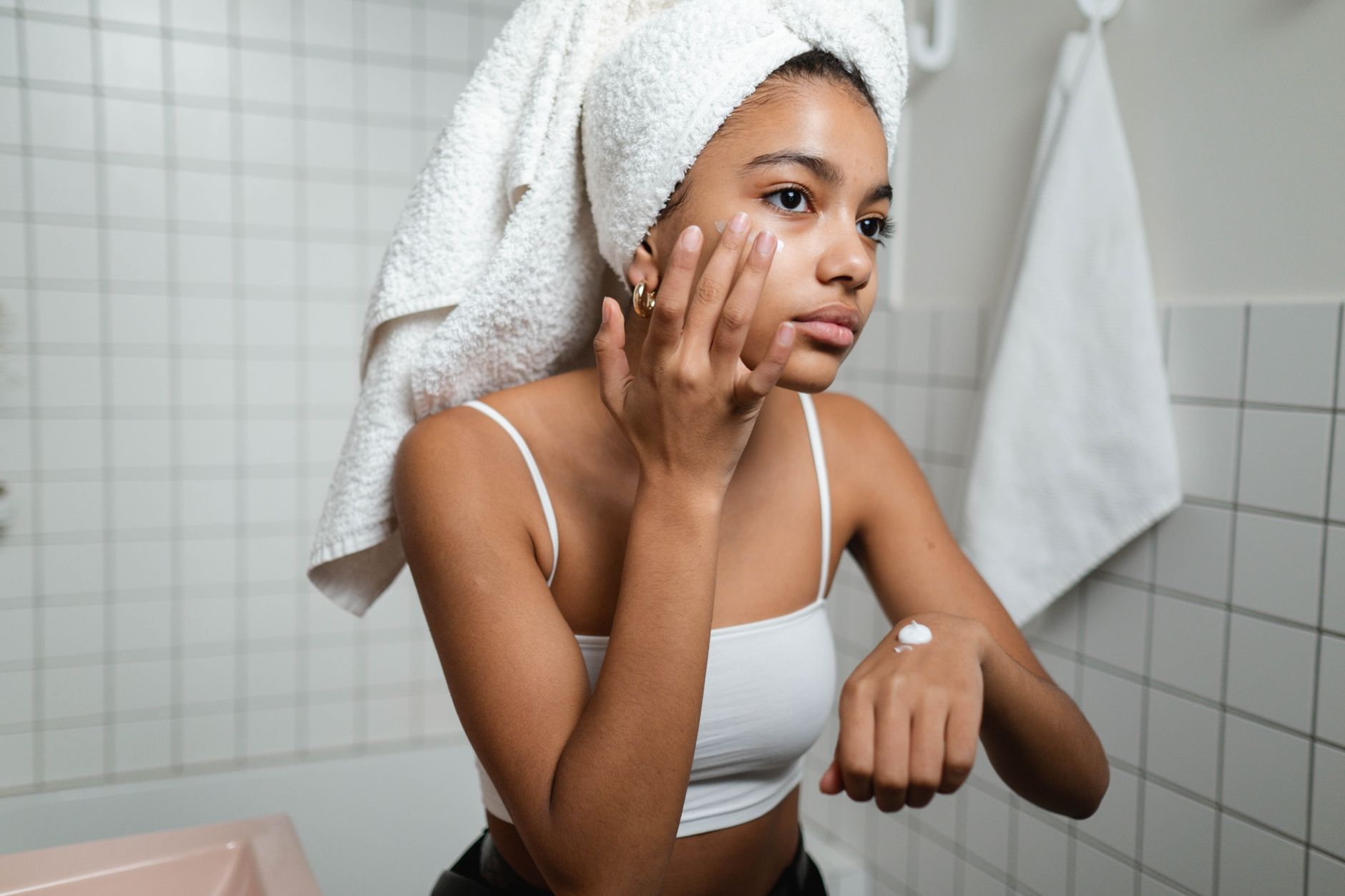
Moisturizers do not cause acne and may actually reduce its severity, particularly when formulated for acne-prone skin. A 2026 cross-sectional study from the American Academy of Dermatology found that mild acne prevalence was notably higher among moisturizer users, while severe acne was significantly lower—meaning the right moisturizer can support clearer skin rather than worsen breakouts.
Many people with acne skip moisturizing, fearing it will clog pores or make breakouts worse. In reality, dermatologists prescribe moisturizers alongside acne medications to prevent excessive drying and irritation from active treatments, and the choice of formulation matters far more than whether you use one at all. This guide answers the most common questions about which moisturizers work, what ingredients to prioritize, and how to combine them with acne treatments.
Medical information disclaimer: This article is for general educational purposes only and does not provide medical advice, diagnosis, or treatment. Always consult a physician or other qualified health professional about symptoms, medications, tests, or treatment decisions.
Table of Contents
- Do Moisturizers Actually Help With Acne?
- What Ingredients Make a Moisturizer Acne-Safe?
- Ingredients to Avoid if You Have Acne
- How to Combine a Moisturizer With Benzoyl Peroxide or Salicylic Acid
- What Does "Non-Comedogenic" Actually Mean?
- Managing Irritation When Starting Acne Treatment
- Frequently Asked Questions
Do Moisturizers Actually Help With Acne?
Yes, when chosen correctly. Dermatologists frequently prescribe moisturizers alongside acne medications because these active ingredients—like benzoyl peroxide and salicylic acid—cause drying and irritation; evidence shows moisturizers contribute independently to reducing breakouts while mitigating treatment side effects. This means moisturizing is not optional for acne-prone skin—it is a core part of a working regimen.
The key difference is formulation. A heavy facial moisturizer designed for dry skin may clog pores, while an acne-safe moisturizer actively prevents breakouts. The American Academy of Dermatology recommends choosing water-based and non-comedogenic products to avoid clogging pores, which is the primary mechanism that distinguishes acne-safe moisturizers from general facial moisturizers.
What Ingredients Make a Moisturizer Acne-Safe?
Two ingredients appear most frequently in dermatologist-recommended acne moisturizers: dimethicone and glycerin. More than half of acne-specific moisturizers contain dimethicone—a silicone that reduces moisture loss without greasiness—or glycerin, a humectant; both are noncomedogenic and hypoallergenic.
These work by drawing water into the skin (glycerin) or forming a protective layer (dimethicone) without the weight of traditional oils. Niacinamide and squalane are well-tolerated active ingredients in acne moisturizers, offering alternatives for sensitive skin that may react to silicones or humectants alone. All four options provide moisture retention while staying safe for acne-prone skin.
Ingredients to Avoid if You Have Acne
Some common moisturizer ingredients are pore-clogging on acne-prone skin and should be avoided. Coconut oil, cocoa butter, mineral oil, and isopropyl myristate are comedogenic—meaning they clog pores—and can worsen breakouts; mineral oil is particularly problematic despite its common use in general moisturizers. Check ingredient lists on the back of the bottle; these oils are sometimes listed by other names or buried in a long ingredient list.
How to Combine a Moisturizer With Benzoyl Peroxide or Salicylic Acid
This depends on which acne treatment you are using and how strong it is. Benzoyl peroxide targets pustules (red pimples); salicylic acid targets comedones (blackheads and whiteheads).
Using both simultaneously on the same skin area increases excessive drying and irritation; a safer strategy is salicylic acid as an all-over preventative and benzoyl peroxide as spot treatment only. If you are using either active treatment, apply it first to clean, dry skin, wait a few minutes, then apply your acne-safe moisturizer over the top. This protects the skin barrier while allowing the active ingredient to work.
What Does "Non-Comedogenic" Actually Mean?
Not much, on its own. Product claims of "non-comedogenic" carry no legal definition or third-party verification, making ingredient verification more reliable than label claims alone when selecting acne-safe moisturizers.
A bottle labeled "non-comedogenic" may still contain coconut oil or other pore-clogging ingredients. Always check the ingredient list and look for the formulation choices described above—water-based base, dimethicone, glycerin, niacinamide, or squalane—rather than relying on marketing language.
Managing Irritation When Starting Acne Treatment
Recent 2025–2026 clinical trials show sensitivity-aware approaches—combining active acne treatments with specially formulated support products—improve tolerability and patient quality of life while maintaining efficacy. If you are new to acne medication, starting with a solid moisturizer regimen first, then introducing the active treatment slowly, reduces the likelihood of excessive irritation that causes people to stop treatment.
Frequently Asked Questions
Can I use the same moisturizer I used before I had acne?
Not necessarily. Moisturizers formulated for general dry skin often contain coconut oil, mineral oil, or other comedogenic ingredients that will worsen acne-prone skin. Switch to a water-based, non-comedogenic formulation, or check the ingredient list against the comedogenic list (coconut oil, cocoa butter, mineral oil, isopropyl myristate) before use.
Does moisturizer weaken my acne treatment?
No. Applying moisturizer after your acne treatment dries protects your skin barrier and actually makes it easier to stick with treatment long-term. Excessive drying causes irritation and peeling, which can prompt people to skip doses or stop treatment altogether.
How long does it take to see results?
That depends on your acne severity and the treatment you are using, not the moisturizer alone. Stick with your chosen moisturizer and acne medication for at least 6 to 8 weeks before deciding if it is working; skin turnover takes time.