
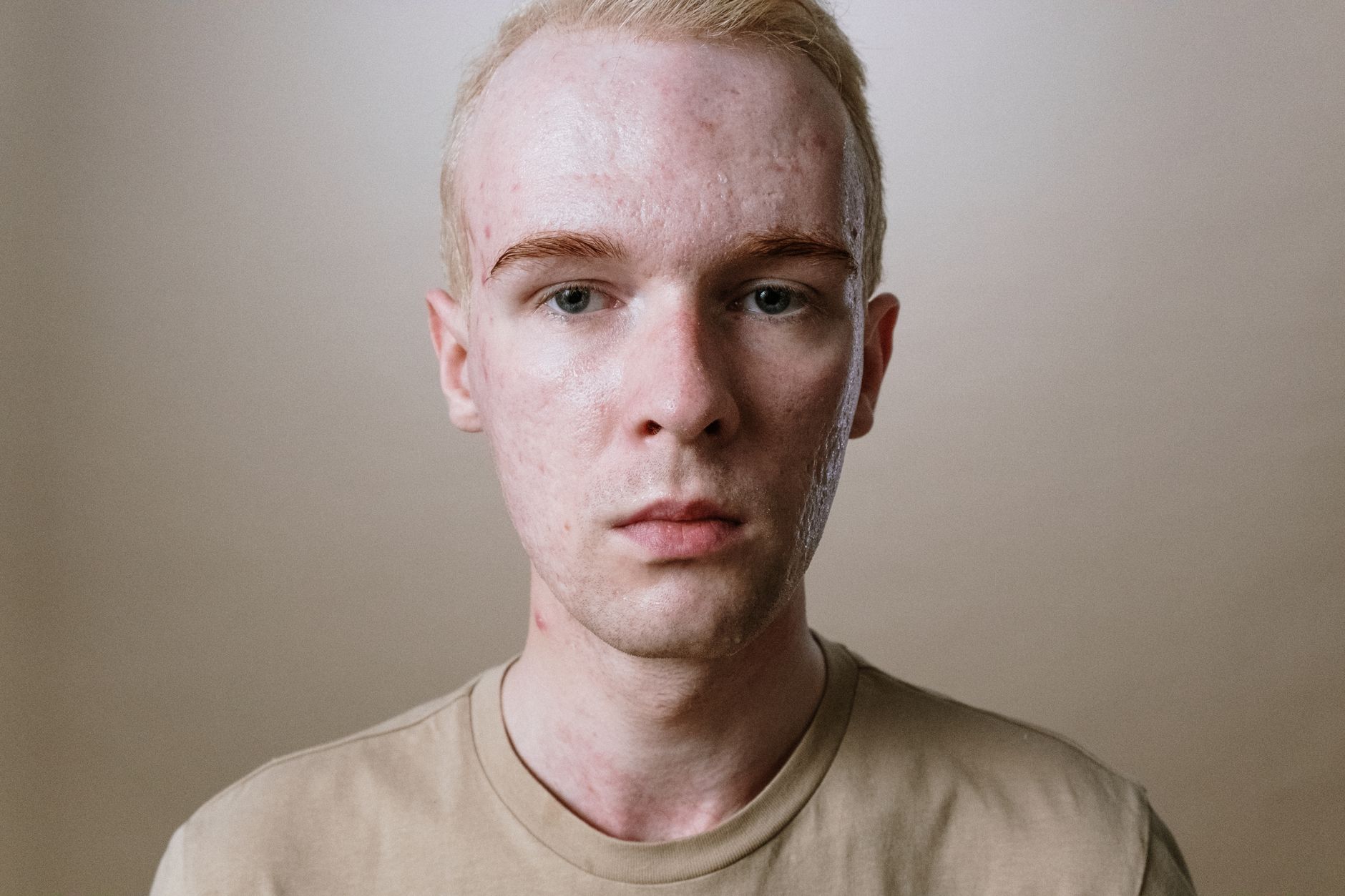
Chest acne is acne that forms when pores on the chest become clogged, and it can often be treated with consistent body-acne care. For September 2026, the practical answer is to start with proven topical treatment, reduce friction, and seek medical assessment for deep, painful, persistent, or unusual bumps. Chest involvement affects about 15% of people with acne, according to the NHS acne guidance. Painful nodules and cysts need particular attention because they carry the greatest risk of permanent scarring.
Medical information disclaimer: This article is for general educational purposes only and does not provide medical advice, diagnosis, or treatment. Always consult a physician or other qualified health professional about symptoms, medications, tests, or treatment decisions.
Table of Contents
- What causes chest acne?
- What treatment can I try at home?
- How should I manage sweat and workout gear?
- When should I see a dermatologist?
- Do diet changes help?
- Is benzoyl peroxide safe to use?
What causes chest acne?
chest acne develops through the same basic processes as acne elsewhere: increased oil production, blocked follicles, and inflammation. Hormonal activity and family history can also contribute. Poor hygiene is not a supported cause.
Sweat may create conditions that worsen a breakout, especially when clothing or equipment traps it against the skin. Tight shirts, chest protectors, backpacks, and workout gear can also rub the chest and cause acne mechanica—breakouts triggered by heat, pressure, and friction. This distinction matters because scrubbing harder does not correct the underlying problem. Aggressive rubbing or harsh cleansing may irritate the skin without clearing blocked pores.
What treatment can I try at home?
For mild-to-moderate chest acne, an over-the-counter benzoyl-peroxide wash is a reasonable starting point. Benzoyl peroxide reduces acne-causing bacteria, while topical retinoids work differently by helping clear pores. The American Academy of Dermatology advises leaving benzoyl-peroxide wash on back skin for two to five minutes before rinsing; that body-acne approach may also be practical for the chest. Follow the product directions, and remember that benzoyl peroxide can bleach towels, sheets, and clothing.
Use one routine consistently instead of changing products every few days. The American Academy of Dermatology's body-acne guidance says fewer lesions may take six to eight weeks to appear. Topical antibiotics require different handling. Dermatologists pair them with benzoyl peroxide to reduce the risk of antibiotic resistance rather than using them alone.
How should I manage sweat and workout gear?
You do not need to stop exercising because of chest acne. The goal is to shorten the time that sweat, heat, and rubbing stay against the skin.
These steps are most useful when breakouts cluster beneath straps, tight seams, pads, or protective equipment. Reducing friction addresses that trigger, while acne treatment handles clogged and inflamed pores.
- Change out of sweaty clothing promptly.
- Shower with a mild, oil-free cleanser.
- Choose looser or moisture-wicking clothing.
- Keep protective padding and workout gear clean.
- Avoid scrubbing the chest with rough cloths or brushes.
When should I see a dermatologist?
Arrange an assessment if consistent home treatment produces no improvement after six to eight weeks. Seek help sooner for deep or painful lesions because nodules and cysts have a higher scarring risk.
A clinician should also examine persistent or atypical bumps. Not every chest eruption is acne: folliculitis and hidradenitis suppurativa can resemble it but require different treatment. An accurate diagnosis prevents months of treating the wrong condition.
Do diet changes help?
Diet research offers possible clues, not a dependable cure. Small studies have associated low-glycemic eating with fewer breakouts and cow's milk with acne in some groups, but other studies conflict.
If you suspect a food pattern, observe whether a realistic change corresponds with your breakouts. Do not use dietary restriction as a substitute for skin care or prescribed medication; the American Academy of Dermatology describes the evidence as mixed.
Is benzoyl peroxide safe to use?
The latest documented FDA action in the supplied evidence occurred on March 11, 2025. Testing found elevated benzene in six of 95 acne products, leading to retail-level recalls, while more than 90% had undetectable or extremely low levels.
The findings do not mean every benzoyl-peroxide product should be discarded. The practical steps are to check current recalls and throw away expired products, as stated in the FDA benzene testing notice.