
No new FDA approval or safety alert specifically for acne or blackheads appeared through August 28, 2026, in the FDA's August press-announcement index. The main current development is a delayed update to iPLEDGE, the safety program controlling access to isotretinoin. Dermatology guidance remains steady: proven acne medicines still take priority, while evidence for many procedures, supplements, diets, and plant-based treatments remains insufficient.
Medical information disclaimer: This article is for general educational purposes only and does not provide medical advice, diagnosis, or treatment. Always consult a physician or other qualified health professional about symptoms, medications, tests, or treatment decisions.
Official resources:
- Read the official notice from FDA — Use this primary source to verify the official announcement.
- Read the official notice from FDA — Use this primary source to verify the official announcement.
Table of Contents
- What changed with isotretinoin access?
- What treatments do dermatologists currently support?
- What should readers know about blackheads?
- Is benzoyl peroxide still a reasonable option?
- Where does the evidence remain limited?
What changed with isotretinoin access?
The FDA postponed planned iPLEDGE modifications from August 8 to November 15, 2026. According to the FDA's iPLEDGE update, the delay allows more system testing and reduces the risk of disrupting access. The planned rules may let prescribers permit at-home pregnancy tests during and after isotretinoin treatment. Pretreatment pregnancy tests must still take place in a medical setting.
Isotretinoin remains restricted to nonpregnant patients aged 12 or older with severe nodular acne that has not responded to other treatments. The controls exist because exposure during pregnancy can cause serious birth defects. Anyone using isotretinoin should continue following the existing iPLEDGE process until the revised requirements take effect. A planned rule is not yet an available option.
What treatments do dermatologists currently support?
The American Academy of dermatology strongly recommends benzoyl peroxide, topical retinoids, topical antibiotics, and oral doxycycline. Its current acne-management guidance also strongly recommends isotretinoin for severe, scarring, treatment-resistant, or psychologically burdensome acne. Dermatologists often combine topical treatments that work in different ways.
When they prescribe a topical or oral antibiotic, the AAD recommends pairing it with benzoyl peroxide and limiting systemic antibiotic use. That distinction matters for treatment decisions. Antibiotics can help appropriate patients, but prolonged or unpaired use increases concerns about resistance and antibiotic-related complications.
What should readers know about blackheads?
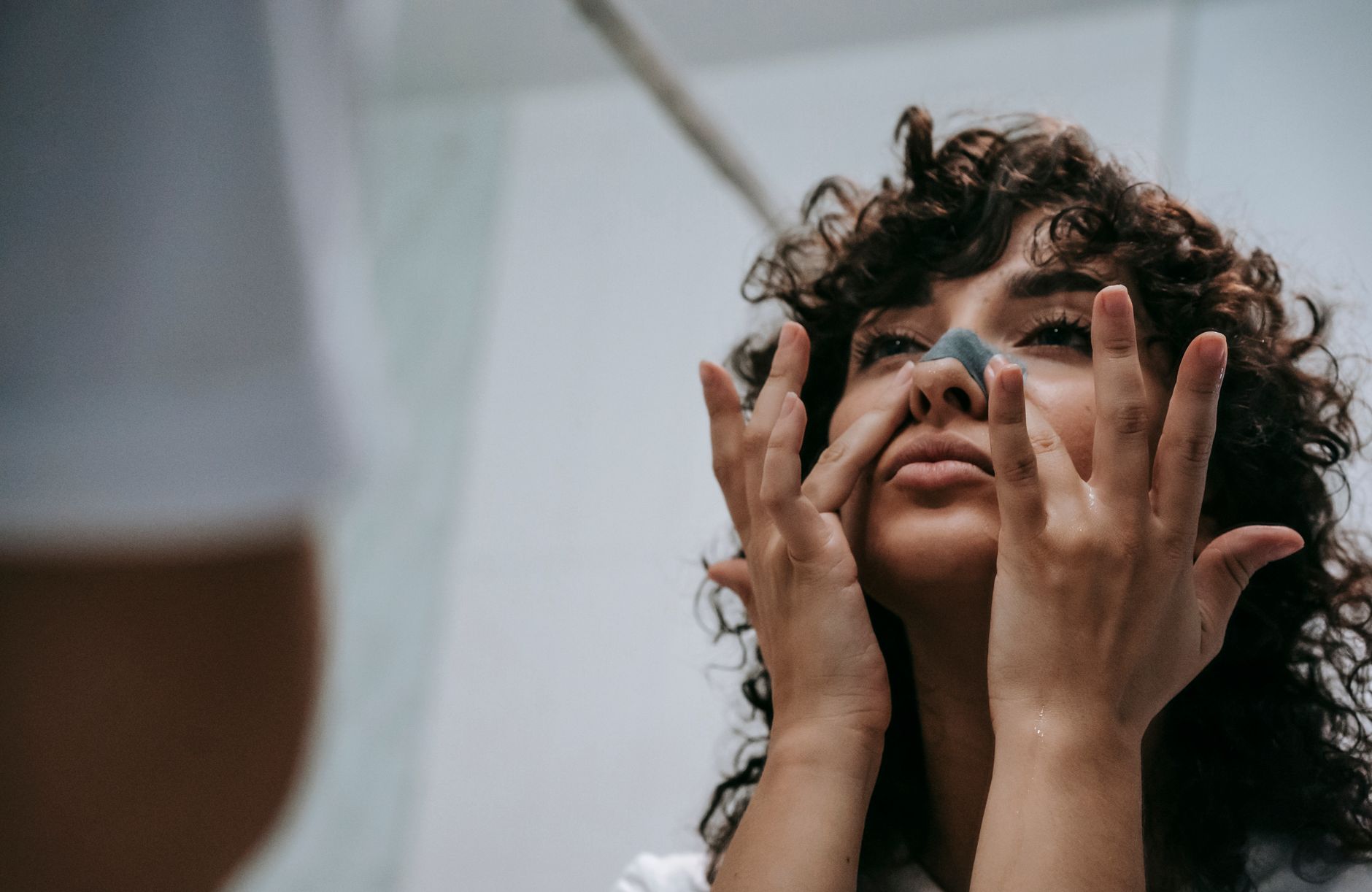
Blackheads are open comedones. Oil and dead skin cells widen an open pore, and oxidation creates the dark surface—dirt does not, according to the AAD's explanation of acne symptoms. This means harsh scrubbing does not address the process that forms a blackhead.
Dermatologists advise retinoids for blackheads because these medicines target clogged pores. Squeezing may seem faster, but it can injure the skin and lead to infection or scarring. Persistent or widespread blackheads may require a treatment plan that addresses other acne lesions at the same time.
Is benzoyl peroxide still a reasonable option?
The FDA's 2025 testing provides important context for concerns about benzene in benzoyl-peroxide acne products. More than 90% of the 95 tested products contained undetectable or extremely low benzene levels. A limited number of products prompted retail-level voluntary recalls.
The FDA nevertheless concluded that decades of daily exposure to the tested products posed a very low cancer risk. The findings do not mean every product was identical or that recalls should be ignored. Readers using benzoyl peroxide can check whether their specific product was recalled while recognizing that the FDA's broader results were reassuring.
Where does the evidence remain limited?
The AAD found insufficient evidence to recommend chemical peels, laser or light devices, microneedling, dietary changes, vitamins, or plant-based therapies for acne. "Insufficient" does not prove that an approach never helps; it means the available evidence does not support treating it as a proven alternative.
That limitation matters when comparing cost, effort, and risk. A procedure, supplement, or restrictive diet should not automatically replace established medicines solely because it is marketed as newer or more natural. For a practical next step, match the problem to the evidence: consider a retinoid for blackheads, discuss combination therapy for broader acne, and seek dermatology care for severe, scarring, emotionally burdensome, or treatment-resistant disease.
You Might Also Like
- What Is New With Remedies and Acne in August 2026? Latest FDA and dermatology sources and Key Takeaways
- What Is New With Lifestyle and Acne in August 2026? Latest FDA and dermatology sources and Key Takeaways
- What Is New With Jawline Acne in August 2026? Latest FDA and dermatology sources and Key Takeaways