
As of August 2026, exfoliation can help some acne, but it is not a complete acne treatment. Exfoliation—removing dead skin cells mechanically or with acids—is most useful when clogged pores cause blackheads or whiteheads. Salicylic acid can exfoliate inside pores, while rough scrubs may aggravate sensitive or acne-prone skin. High-concentration home peels carry much greater risks and should not replace proven acne medicines.
Medical information disclaimer: This article is for general educational purposes only and does not provide medical advice, diagnosis, or treatment. Always consult a physician or other qualified health professional about symptoms, medications, tests, or treatment decisions.
Table of Contents
- Mechanical or chemical exfoliation?
- Does salicylic acid treat acne?
- Can I exfoliate with retinoids or benzoyl peroxide?
- Are at-home chemical peels safe for acne?
- When does acne need dermatology care?
- What changes during pregnancy?
Mechanical or chemical exfoliation?
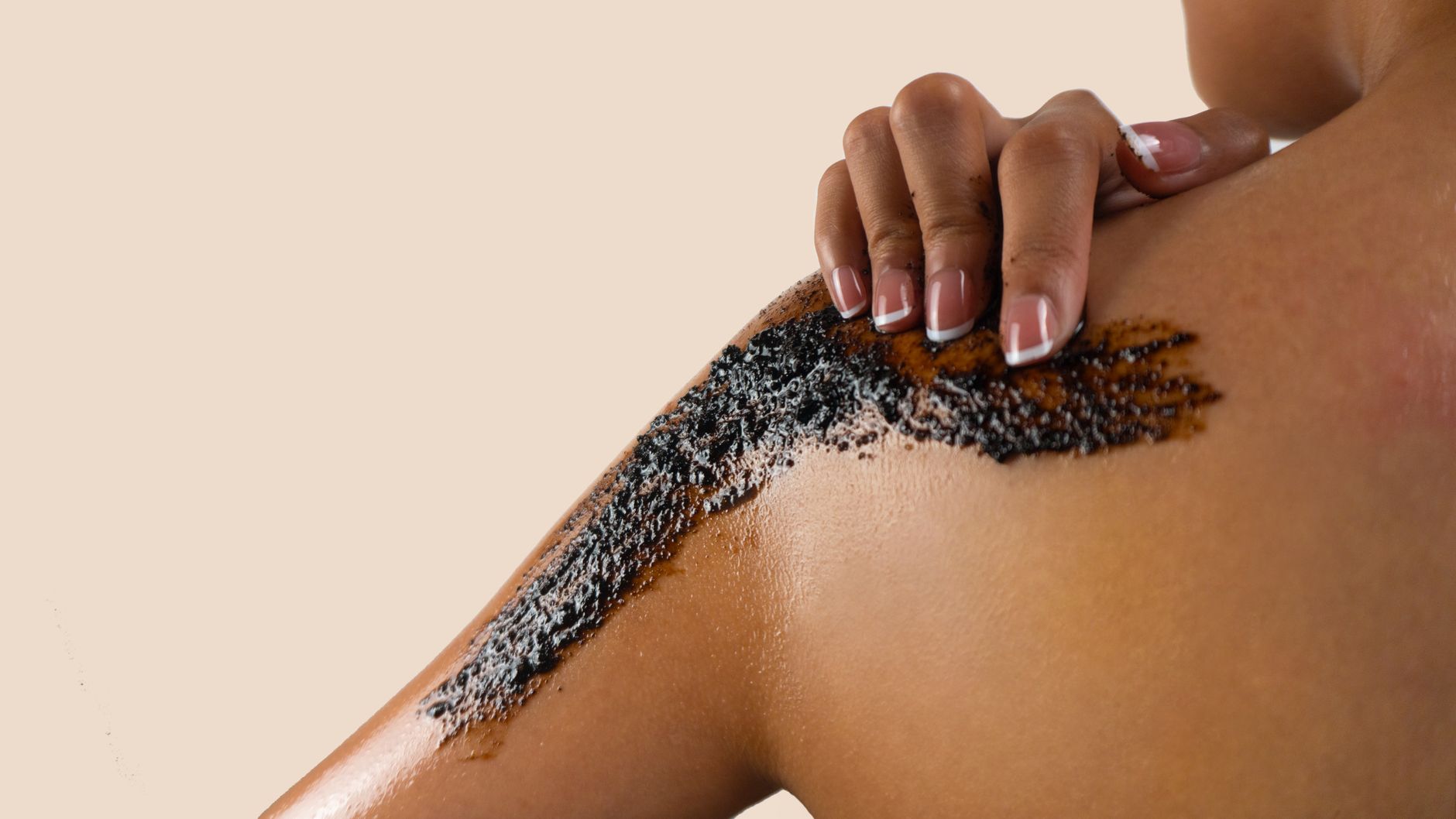
Mechanical exfoliation uses friction, such as a scrub or washcloth, to remove dead cells. Chemical exfoliation uses an acid to loosen and remove them. For acne-prone or sensitive skin, gentler methods are the safer starting point.
The American Academy of Dermatology says a washcloth or mild chemical exfoliant may be better tolerated because scrubs can irritate these skin types in its home-exfoliation guidance. If exfoliation leaves skin increasingly dry or irritated, reduce its frequency or stop. More aggressive rubbing does not turn exfoliation into a stronger acne treatment.
Does salicylic acid treat acne?
Salicylic acid exfoliates skin and helps unclog pores. This makes it particularly relevant to blackheads and whiteheads, although the 2024 AAD acne guideline gives it a conditional rather than strong recommendation in its treatment summary. For mild acne, the AAD advises trying one appropriate over-the-counter active for six to eight weeks.
Fewer breakouts may appear within four to eight weeks, but clearing can take about 16 weeks. Starting with one active also makes irritation easier to identify. If clogged pores improve but inflamed breakouts continue, exfoliation alone may not address the full problem.
Can I exfoliate with retinoids or benzoyl peroxide?
Use caution. retinoids and retinol already affect skin-cell turnover, while benzoyl peroxide reduces acne-causing bacteria; adding exfoliation can worsen dryness and may trigger more breakouts. Do not assume every acne active must be layered at once.
Moisturize after exfoliating, and scale back if the routine produces persistent dryness or irritation. Different treatment mechanisms can improve results when combined appropriately. Topical retinoids unclog pores and reduce inflammation, while benzoyl peroxide targets acne-causing bacteria, so either may contribute more than extra exfoliation.
Are at-home chemical peels safe for acne?
High-concentration chemical peels are not ordinary daily exfoliants. The FDA warns that home peel products marketed for acne can cause chemical burns, infections, skin-color changes, and disfiguring scars in its July 2024 safety warning. The FDA has not approved any chemical peel products and advises professional supervision.
The AAD also found insufficient evidence to recommend chemical peels, lasers, light devices, or microneedling for acne. That does not prove every procedure is ineffective. It means the available evidence was not sufficient for an acne-treatment recommendation, so these procedures should not displace established options.
When does acne need dermatology care?
Large, painful, deep pimples and acne that causes scars warrant dermatology care. Store-bought products are unlikely to treat these cases effectively.
Treatment-resistant or severe acne may require isotretinoin. Continuing to scrub or peel skin does not substitute for care that targets deeper acne.
What changes during pregnancy?
Pregnancy changes which acne treatments are appropriate. Isotretinoin, tazarotene, and spironolactone should not be used because they carry serious birth-defect risks.
Experts also recommend stopping adapalene and tretinoin. Salicylic acid should be limited and discussed with a clinician, according to the AAD's pregnancy acne guidance.