
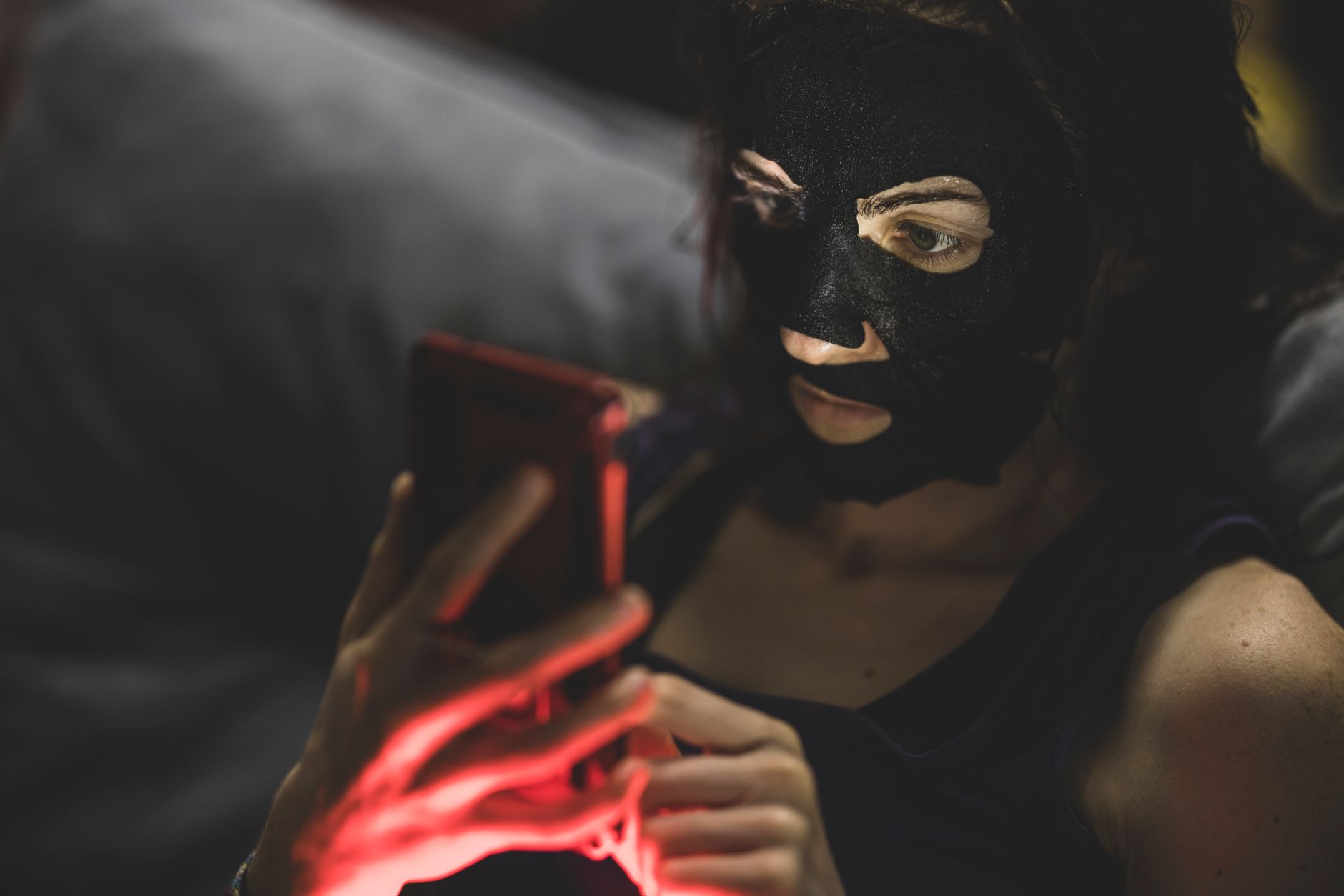
Yes, red light therapy may soften shallow acne scars and fade some dark spots, but results are gradual and modest. It works best as a support treatment rather than a complete fix.
Red light therapy exposes skin to low levels of red or near-infrared light. Dermatologist Jennifer Lucas says this light promotes cell growth, lowers inflammation, aids healing and boosts collagen, according to Cleveland Clinic Newsroom reporting. Collagen helps fill shallow, uneven scar tissue over time.
Medical information disclaimer: This article is for general educational purposes only and does not provide medical advice, diagnosis, or treatment. Always consult a physician or other qualified health professional about symptoms, medications, tests, or treatment decisions.
Table of Contents
- How does it help scarred skin?
- Can it fade dark spots?
- Which scars respond best?
- What are the risks for darker skin?
- Who should pause and check first?
How does it help scarred skin?
Cleveland Clinic states red light therapy shows promise for acne, scars, redness, wrinkles and aging signs, but more clinical trials are needed to confirm effectiveness, as described in this Cleveland Clinic treatment overview. The effect comes mainly from calmer inflammation and new collagen, not from resurfacing the skin.
The American Society for Dermatologic Surgery says laser and light therapy can treat acne scarring without harming nearby tissue, with little pain and short recovery. The group says results improve when light treatment joins other acne care, such as topical products, resurfacing or injectable treatment.
Can it fade dark spots?
Some pigment responds to specific red wavelengths. A 590-nm LED study in melasma patients found less facial hyperpigmentation and redness, linked to reduced blood-vessel growth in the skin. That finding matters for brown or red marks left after breakouts, which often involve pigment plus tiny vessels.
The change is usually lightening, not erasing. Flat brown post-acne marks are more likely to fade than deep pitted scars or very old dark patches. Consistent sessions matter more than one strong session.
Which scars respond best?
A 2026 scoping review of clinical trials found red LED at 633-670 nm improved burn-scar pigment, thickness and Vancouver Scar Scale scores, reported in this 2026 review in Lasers in Medical Science. Scars under 12 months old improved more than older, thicker scars.
That pattern fits acne marks: newer red or pink marks often calm faster than deep icepick scars or long-standing texture. Cleveland Clinic Newsroom reporting notes that steady red-light use may improve wrinkles and redness, but patients should not expect overnight or dramatic skin changes.
What are the risks for darker skin?
High dose matters. Two randomized controlled trials found high-fluence LED-red light caused much more hyperpigmentation than mock therapy, especially in darker skin, with blistering in three subjects, according to this peer-reviewed safety study. Lower clinical doses used for scars differ from those high test doses.
Start low, watch for darkening, burning or blisters, and stop if pigment spreads. A dermatologist can adjust wavelength, dose and timing for your skin tone and scar type. People already using fading agents should ask how to sequence them with light.
Who should pause and check first?
People with light-sensitive conditions or taking drugs that raise sun sensitivity should avoid red light therapy and ask a dermatologist first, according to Cleveland Clinic Newsroom reporting. Those drugs include certain antibiotics and blood-pressure medicines. Bring your medicine list and scar history to the visit, plus photos showing when each mark began.
- history of lupus, porphyria or abnormal light reaction
- current use of antibiotics, diuretics or other photosensitizing drugs
- active infection, open wound or spreading rash in the treatment area
- tendency to develop dark marks after heat, burns or irritation