
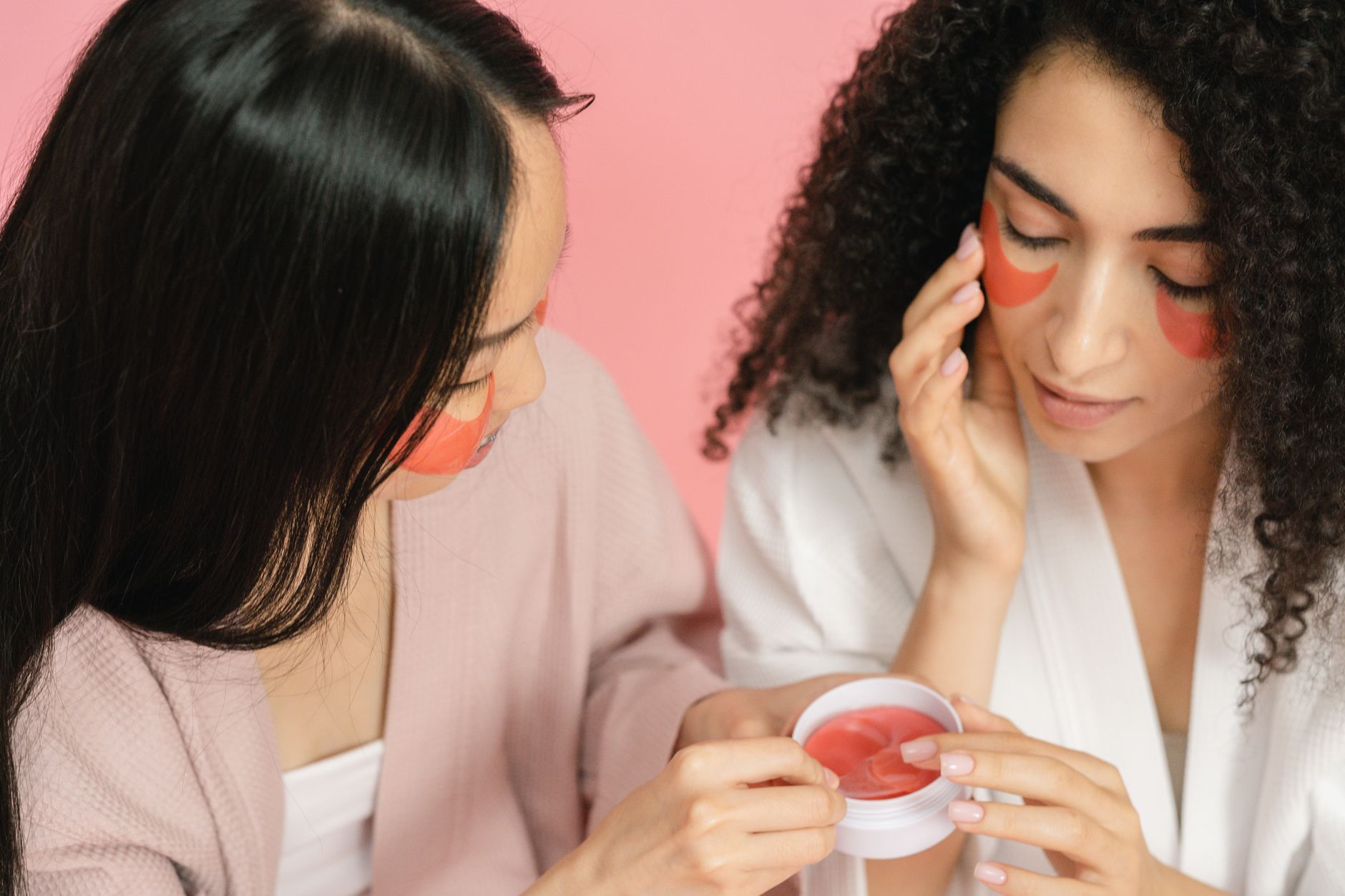
Prevention and acne care in 2026 centers on gentle daily habits plus proven treatments matched to severity. Acne vulgaris, the common pimple-forming condition in oil glands, affects about 85% of adolescents and many adult women. Daily prevention lowers new breakouts, while prescription options clear persistent or severe disease. The right next step depends on severity, scarring risk, and how skin responds to basic care.
Medical information disclaimer: This article is for general educational purposes only and does not provide medical advice, diagnosis, or treatment. Always consult a physician or other qualified health professional about symptoms, medications, tests, or treatment decisions.
Table of Contents
- Who does acne affect?
- Why do breakouts form?
- How can you prevent new breakouts?
- Which treatments have the strongest evidence?
- When should you get care?
Who does acne affect?
Acne most often affects adolescents aged 12-24, with about 85% developing it at some point. According to the American Academy of Dermatology, it also persists or starts in adulthood, especially in women aged 20-49, as described in Academy guidance on updated management.
That broad range means teens, college students, and adult women all need workable plans. Adult breakouts can feel unexpected, but they fall within the known pattern.
Why do breakouts form?
Acne develops in pilosebaceous units, the tiny skin structures that hold hair follicles and oil glands. Excess sebum mixes with dead skin, clogs pores, and allows Cutibacterium acnes bacteria to grow.
That clog and bacterial growth triggers inflammation and visible pimples. Breakouts appear most commonly on the face, chest, and back where these oil units are dense.
How can you prevent new breakouts?
Prevention centers on gentle twice-daily cleansing without scrubbing. Dermatologist advice shared by the American Medical Association also stresses non-comedogenic oil-free moisturizer and sunscreen SPF 30+, plus washing after sweating, as outlined in physician advice on acne care.
Useful daily steps include: Consistency matters more than harsh products. Rough scrubs and strong drying routines can irritate skin without clearing pores.
- wash face twice daily with mild cleanser and fingertips, not a scrub
- apply non-comedogenic oil-free moisturizer and SPF 30+ sunscreen
- wash skin after sweating before sweat and oil sit in pores
- avoid picking or squeezing, which can worsen inflammation and marks
Which treatments have the strongest evidence?
The AAD's 2024 systematic-review guidelines give strong recommendations to topical benzoyl peroxide, topical retinoids including adapalene, tretinoin, tazarotene and trifarotene, topical antibiotics, and oral doxycycline. That support was summarized in a review of the updated guidelines. Combining topicals with different actions works better than single agents.
A retinoid plus benzoyl peroxide is one common example, and fixed-dose combinations are strongly recommended. A clinician can match strength, form, and duration to acne type. Follow-up allows dose changes when irritation, dryness, or slow response occurs.
When should you get care?
High-glycemic foods and dairy show observational links to higher acne risk in a meta-analysis of 14 studies with about 80,000 youth. Those links do not prove cause, and common hygiene myths remain unproven. Delayed or absent treatment raises risk of lasting facial scars.
Those scars are linked to worse quality of life, higher anxiety, and higher depression scores. See a dermatologist early, especially for severe nodular or scarring acne. Oral isotretinoin is strongly effective but restricted under FDA iPLEDGE because it causes severe birth defects, as stated in the FDA iPLEDGE fact sheet.