
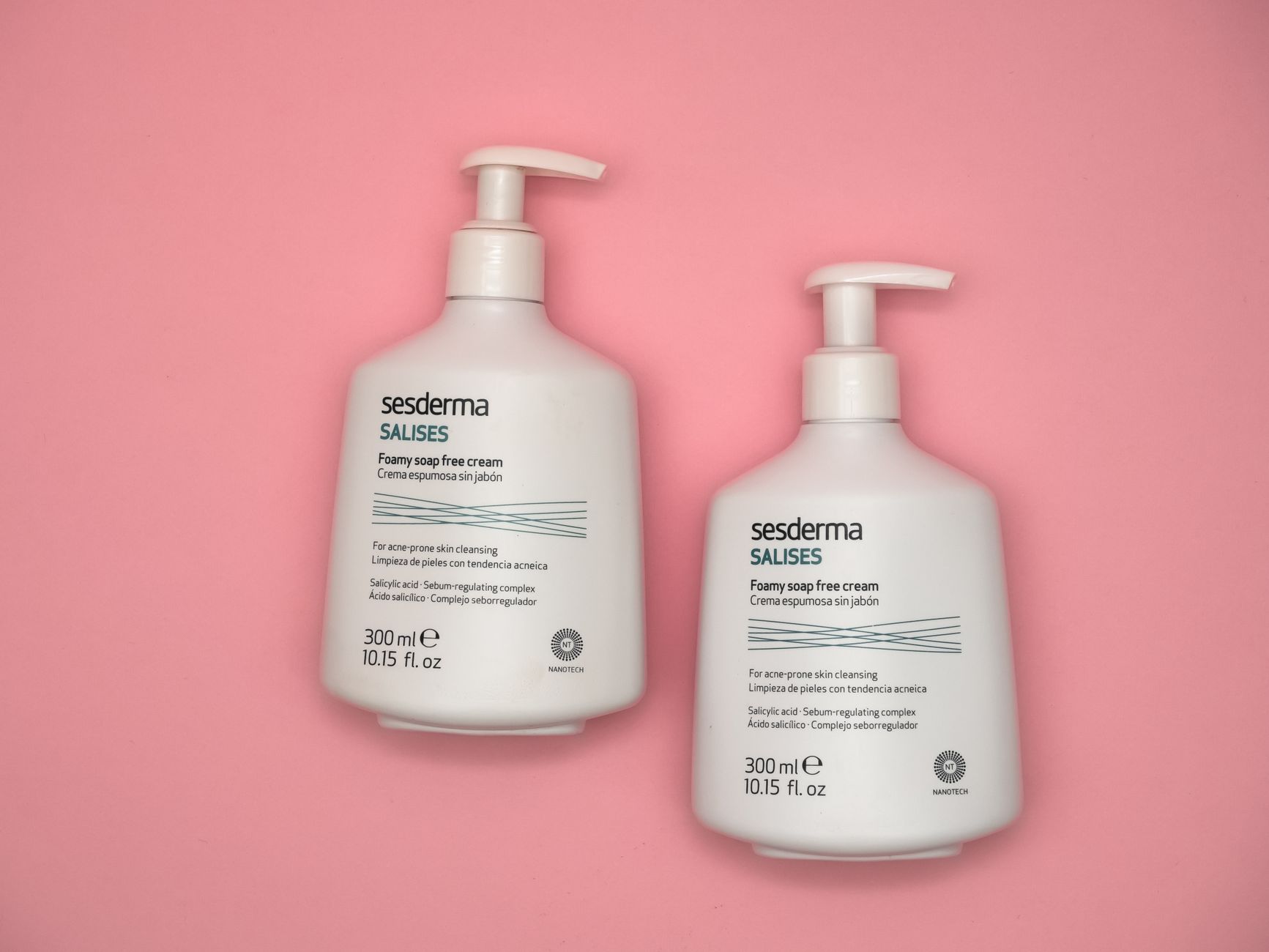
This FAQ gives source-checked answers to common acne and prevention questions for October 2026. Prevention works best when you reduce plugging of pores, treat active acne with combined mechanisms, and follow gentle daily habits. Acne, also called acne vulgaris, is pimples, blackheads, or cysts that form in plugged hair follicles. According to the National Institute of Arthritis and Musculoskeletal and Skin Diseases, follicles become plugged by oil, bacteria, and clumps of dead skin cells that swell into lesions, described in the NIAMS skin-disease overview.
Medical information disclaimer: This article is for general educational purposes only and does not provide medical advice, diagnosis, or treatment. Always consult a physician or other qualified health professional about symptoms, medications, tests, or treatment decisions.
Table of Contents
- What triggers breakouts?
- Which treatments have the strongest support?
- Should antibiotics be used alone?
- Is benzoyl peroxide safe after the benzene recall?
- What daily habits help prevent acne?
What triggers breakouts?
Hormone shifts in puberty can start or worsen acne. Family history also raises risk for both teens and adults. Starting or stopping birth-control pills and taking certain medicines can trigger flares.
That means a new breakout after a prescription change deserves a prompt check with the prescriber. Teen acne often centers on the face, while adult acne may persist along the jawline and chin. Pattern and timing help a dermatologist choose treatment rather than guessing from one pimple alone.
Which treatments have the strongest support?
The updated January 2024 American Academy of Dermatology guidelines strongly recommend topical benzoyl peroxide, topical retinoids, topical antibiotics and fixed-dose combinations, oral doxycycline, and oral isotretinoin for severe acne, summarized in the AAD guideline summary. Strong means the benefits clearly outweigh harms for the specified patients. The same review issued 18 evidence-based recommendations plus five good-practice statements.
It conditionally recommends topical clascoterone, salicylic acid, azelaic acid, oral minocycline or sarecycline, and combined oral contraceptives for selected patients. Conditional means the option helps some patients but choice depends on acne type, tolerance, pregnancy plans, and access. Ask which mechanism each product adds, rather than stacking two products that do the same job.
Should antibiotics be used alone?
Dermatologists advise against oral antibiotics alone for mild-to-moderate acne. Combination treatment controls acne better and limits bacterial resistance. A common plan pairs an oral antibiotic with a topical retinoid, benzoyl peroxide, or fixed-dose combination.
After the oral course ends, daily topicals usually continue to hold the gain. Do not stop topicals once skin clears unless directed. Continued use keeps follicles less likely to plug and reduces the need for another antibiotic course.
Is benzoyl peroxide safe after the benzene recall?
FDA testing of 95 benzoyl peroxide products, announced March 11, 2025, found more than 90 percent had undetectable or extremely low benzene. Only six lots showed elevated benzene and underwent voluntary retail recall, according to the FDA benzene testing report. The result points to a limited lot problem, not a failure of the whole category.
Check lot numbers against recall notices and discard expired tubes and creams. Store products as directed, away from high heat. Heat and age can increase benzene formation and skin irritation.
What daily habits help prevent acne?
Wash gently twice daily and after heavy sweating. Use lukewarm water, fingertips, and a mild cleanser, then pat dry. Choose skin-care and hair-care products labeled non-comedogenic.
The term means the formula is less likely to plug pores. Newer options such as clascoterone, known as Winlevi, and sarecycline, known as Seysara, carry high cost and access barriers that may prevent equitable use despite efficacy. If price blocks a prescription, ask about a guideline-supported combination with wider coverage.
- Wash pillowcases and headbands often
- Keep hands off pimples and avoid scrubbing or picking
- Remove makeup before bed
- Store benzoyl peroxide as directed and discard expired lots