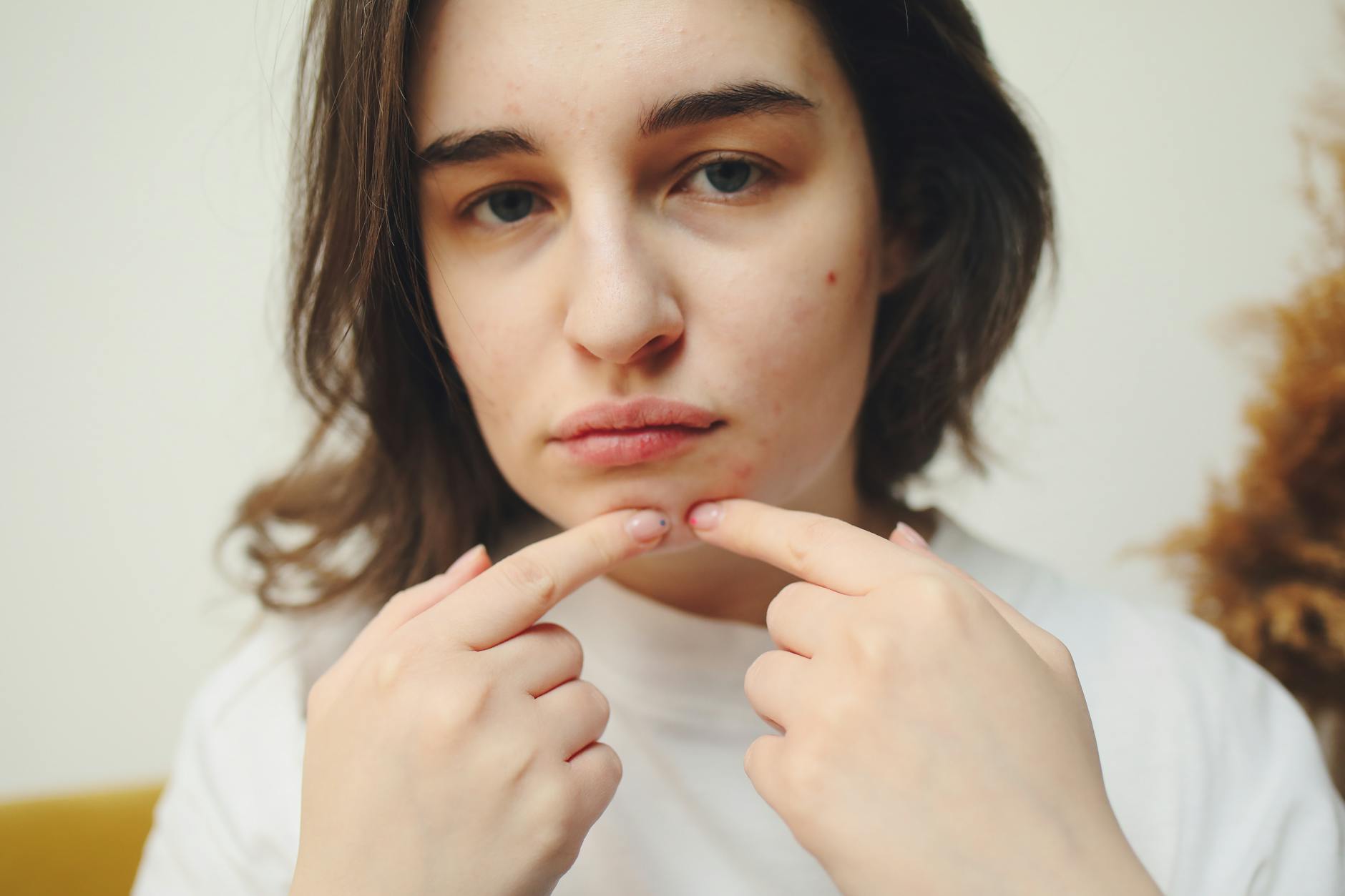
What Gene Therapy for Acne Scar Prevention Could Look Like

Gene therapy for acne scar prevention would likely involve delivering genetic instructions directly to skin cells to either prevent the pathological…
Why Interleukin-1 Blocking May Prevent Inflammatory Acne

Interleukin-1 (IL-1) blocking may prevent inflammatory acne because IL-1 is a central driver of the inflammatory cascade that turns bacterial colonization…
Why Verteporfin Shows Promise for Scar Prevention Not Just Treatment

Verteporfin shows genuine promise as a scar prevention tool rather than merely a treatment for existing scars, according to recent 2025 research.
Why Inhibiting TGF-Beta Is a Target for Scar Prevention Research

TGF-beta inhibition is a target for scar prevention research because TGF-β is the primary cellular driver of fibrotic scarring.
New Acne Products Target Breakout Prevention

A wave of new acne products launched in early 2026 specifically targets breakout prevention through innovative active ingredients and delivery systems.
Why Filler Migration in Acne Scars Happens and How to Prevent It

Filler migration in acne scars happens because certain dermal fillers—particularly hyaluronic acid—are hydrophilic, meaning they absorb water and shift…
Why Double Cleansing Can Help Prevent Acne Breakouts

Double cleansing can help reduce the surface factors that trigger acne breakouts, but it’s not the acne treatment dermatologists typically recommend first.
How to Prevent Hyperpigmentation After Breakouts

The most effective way to prevent hyperpigmentation after breakouts is to use a daily sunscreen with SPF 30 or higher—preferably SPF 50 or above if you…
Why Post Acne Redness Can Persist Even After Breakouts Heal

That red or pink mark lingering on your skin after a pimple has healed isn’t a sign of permanent damage—it’s post-inflammatory erythema, or PIE, caused by…
Why Your Acne Leaves Marks Even When You Do Not Pick Your Skin

Your acne leaves marks not because you picked at it, but because the inflammatory process itself damages your skin at a cellular level.