
Acne and Testosterone Therapy: Monitoring and Skin Care

Spot early testosterone acne, know key lab and skin checks, and act with proven treatment options.
Spot early testosterone acne, know key lab and skin checks, and act with proven treatment options.

Learn how steroid acne looks, why stopping safely matters, and which prescription treatments doctors use.

Learn how prednisone acne looks, when it starts, and which treatment steps actually help skin recover.

Spot uniform steroid breakouts, balance needed treatment against whole-body risks, and ask sharper visit questions.

Spot stress, steroid, and hormone drivers of acne and bring targeted questions that speed effective treatment.
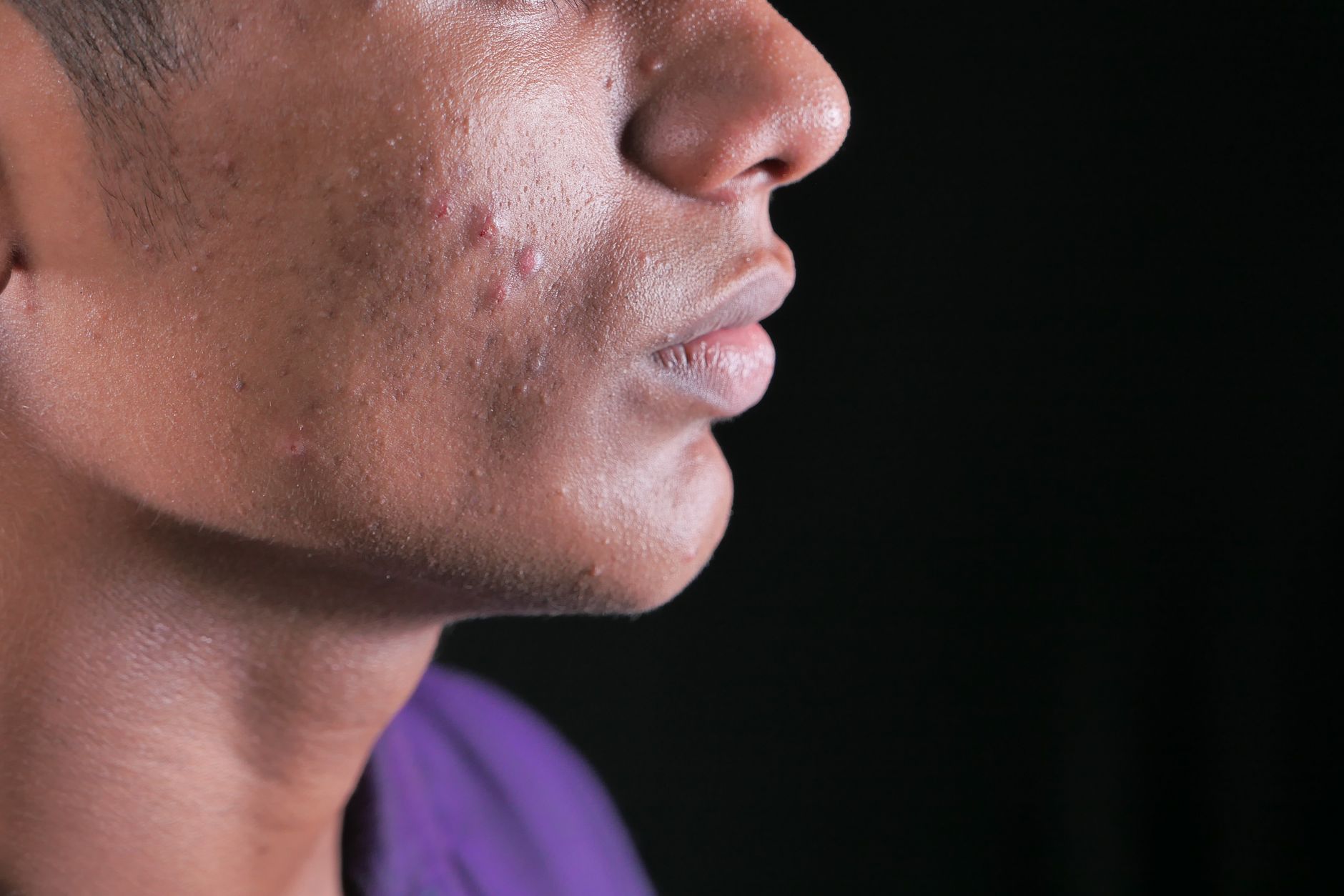
Learn your first-year risk, dose link, and proven treatment options for testosterone-related acne.

See which hormone-targeting acne options help, which risks matter, and what history to bring to your visit.
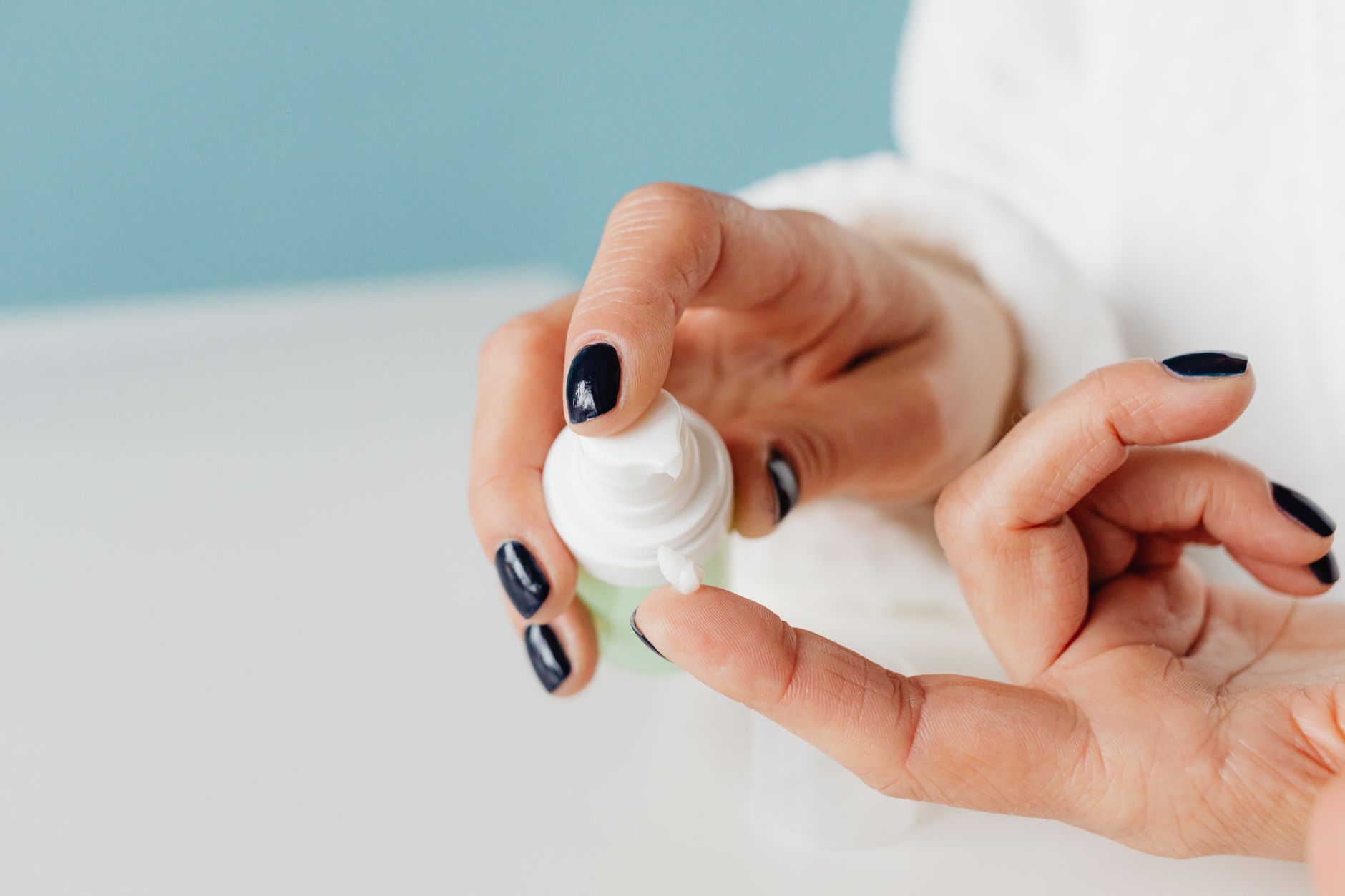
Understand why anabolic steroids can worsen acne, what the studies show, and when a basic routine is no longer enough.

Understand why TRT can cause acne, when to seek care, and how families can support safe treatment without abrupt hormone changes.

Understand when testosterone-related acne is most likely, who faces higher risk, and how to discuss treatment early.