
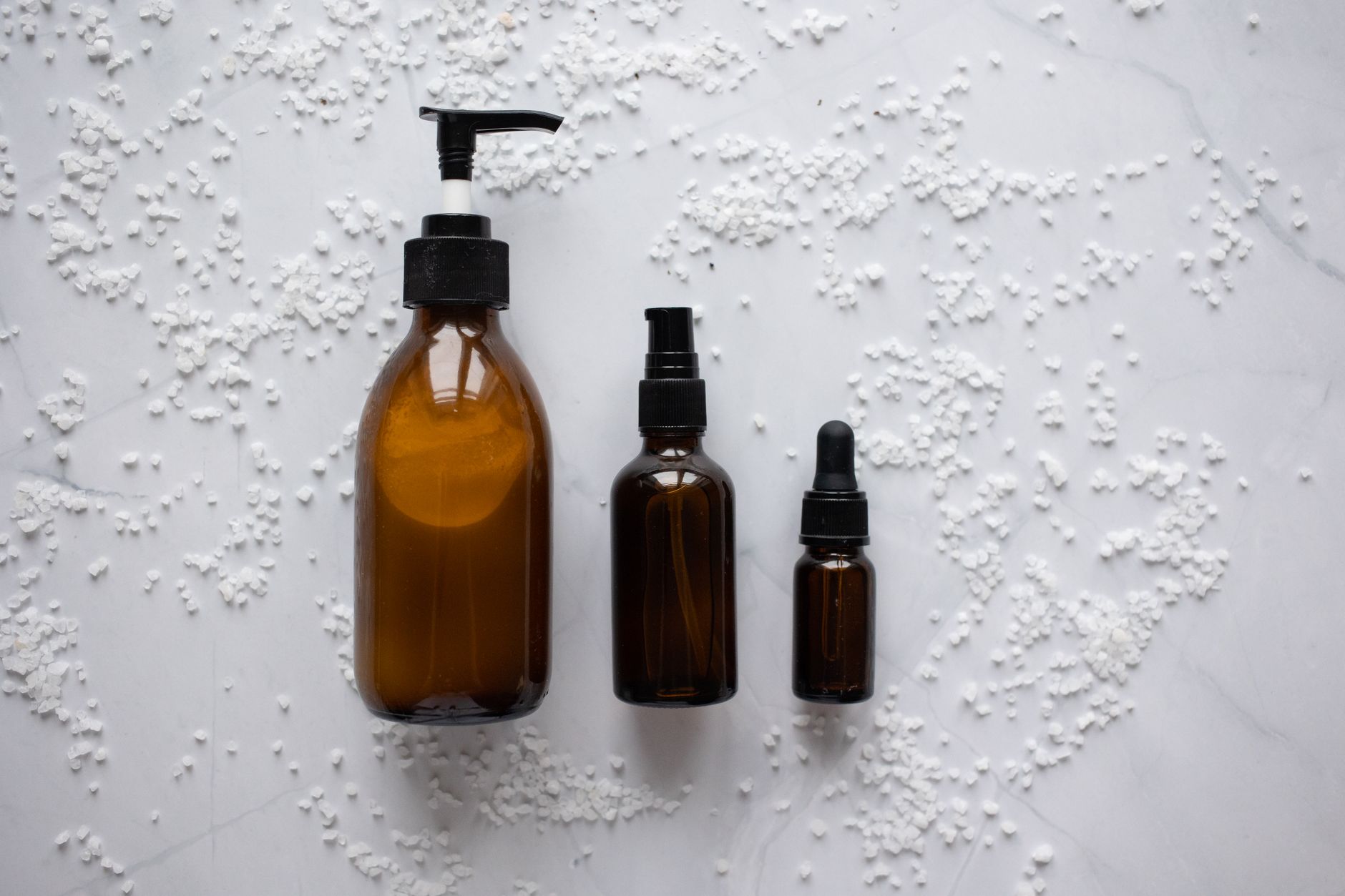
Yes, a hormone-friendly skin care routine is worth trying this winter if your skin feels drier, thinner, or more easily irritated. A hormone-friendly routine means gentle barrier-supporting care that skips fragrance and avoids cosmetic ingredients studied as possible hormone disruptors. Winter cold plus dry indoor heat pulls moisture from already vulnerable skin. Perimenopausal and postmenopausal women feel this most because estrogen loss thins skin and lowers collagen and elasticity.
Medical information disclaimer: This article is for general educational purposes only and does not provide medical advice, diagnosis, or treatment. Always consult a physician or other qualified health professional about symptoms, medications, tests, or treatment decisions.
Table of Contents
- Why does menopausal skin struggle in winter?
- What should a winter routine include?
- What makes a product hormone-friendly?
- What are the limits and warning signs?
Why does menopausal skin struggle in winter?
Estrogen loss after menopause causes atrophic skin aging with thinner skin, less collagen, decreased elasticity, increased dryness and wrinkling, and reduced vascularity, according to the National Institutes of Health in a Dermatoendocrinology review from the National Institutes of Health. It affects perimenopausal and postmenopausal women most.
A Menopause journal review reports skin collagen falls by about 2.1 percent per year after menopause. Thickness and elasticity then decline each year, so winter dryness, tightness, and fine lines look more obvious.
What should a winter routine include?
The American Academy of Dermatology advises cream or ointment rather than lotion, applied right after washing to hold moisture in damp skin. Its practical winter approach, described in American Academy of Dermatology guidance on selecting anti-aging products, favors short warm showers and steady re-moisturizing.
Thick creams and ointments seal better than thin lotions in cold air. Keep showers brief because hot water strips natural oils.
- Take 5-10 minute warm, not hot, showers
- Wash with a gentle fragrance-free cleanser
- Apply thick moisturizer to damp skin, then reapply when dry
- Wear daily broad-spectrum SPF 30 on exposed skin
What makes a product hormone-friendly?
Hormone-friendly usually means fragrance-free, gentle, and made without selected phthalates and parabens. The National Institute of Environmental Health Sciences classifies some cosmetic ingredients including phthalates and parabens as endocrine-disrupting chemicals that may mimic or interfere with hormones, as explained in its National Institute of Environmental Health Sciences overview of cosmetics ingredients.
The institute studies chemicals in fragrances, preservatives, and personal-care products for such effects. Shoppers use hormone-friendly or EDC-free labels as shorthand for avoiding those ingredients.
What are the limits and warning signs?
The Food and Drug Administration says parabens prevent harmful bacteria and mold and that it lacks information showing parabens as used in cosmetics harm health, noted on its Food and Drug Administration page on parabens in cosmetics. The agency also reports no current safety concern for diethyl phthalate in fragrance.
A hormone-friendly or EDC-free label therefore does not prove a hormonal benefit. Treat the routine as winter skin protection, not hormone treatment. The National Institute on Aging says older adults often get rough, scaly dry spots on lower legs, elbows, and lower arms, and should moisturize daily and see a doctor for very dry, itchy skin because scratching thin skin can cause bleeding and infection.