
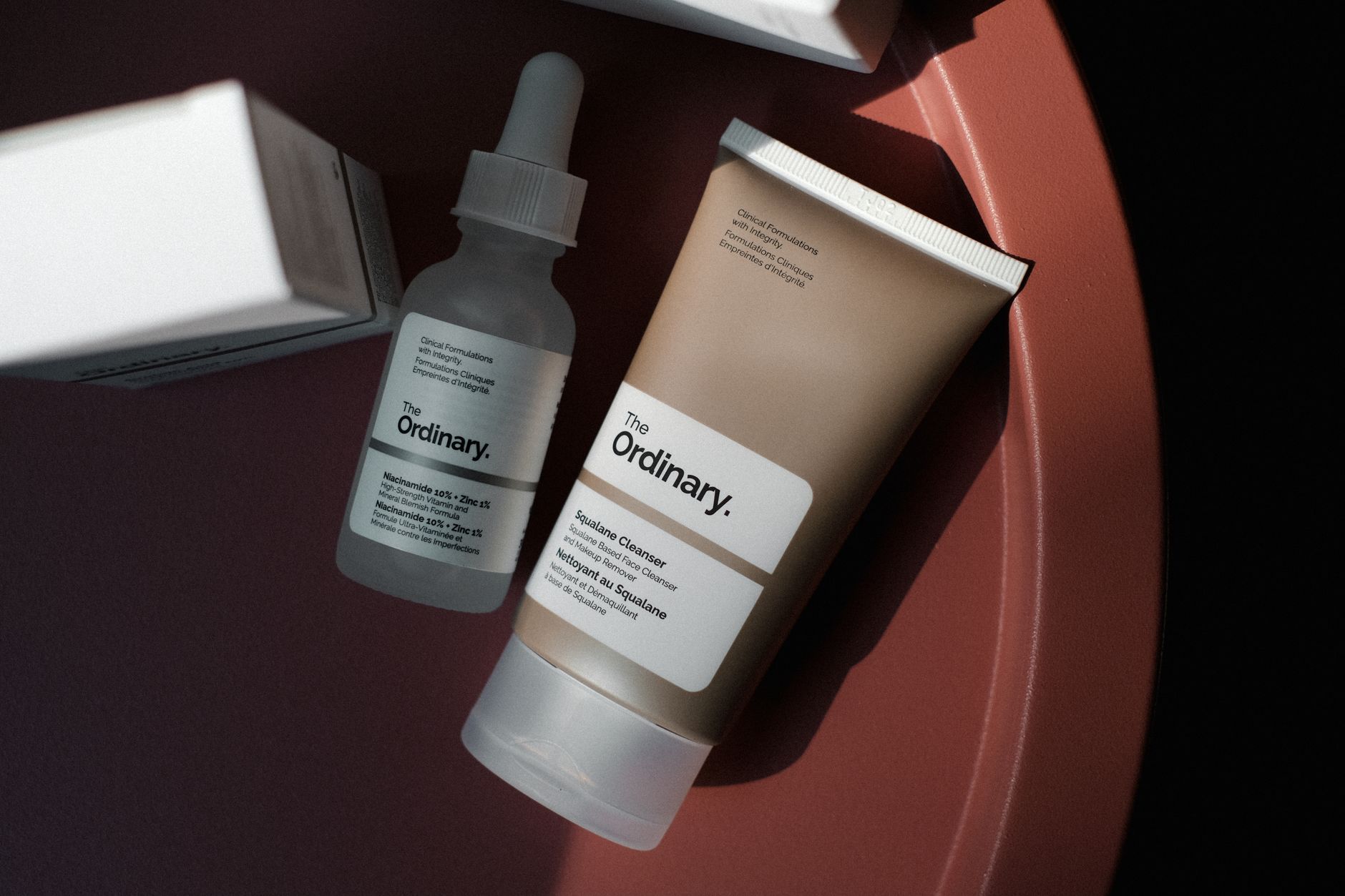
Niacinamide, a form of vitamin B3 used in skin care, fits into a hormonal breakout routine as support, not as a cure. It calms red, swollen bumps, helps steady oil, and protects the skin barrier while other treatments clear pimples.
The American Academy of Dermatology says hormonal acne often appears along the jawline, chin, and lower cheeks. Those bumps can be cystic or inflamed and sore. A soothing step can comfort skin, but it does not change hormones.
Medical information disclaimer: This article is for general educational purposes only and does not provide medical advice, diagnosis, or treatment. Always consult a physician or other qualified health professional about symptoms, medications, tests, or treatment decisions.
Table of Contents
- What does it calm during a breakout?
- How does it help oily, stressed skin?
- Can it fade marks left after pimples heal?
- When is niacinamide not enough?
What does it calm during a breakout?
Cleveland Clinic states niacinamide may support the skin lipid barrier and ease inflammation and redness from acne in the Cleveland Clinic overview. Cleveland Clinic also lists niacinamide among topical options that moisturize and soothe red, swollen, pus-containing bumps.
An International Journal of Dermatology trial tested twice-daily 4% nicotinamide gel against 1% clindamycin gel for 8 weeks. Improvement reached 82% with nicotinamide versus 68% with clindamycin, with papule and pustule drops of 60% versus 43%.
How does it help oily, stressed skin?
Draelos and colleagues tested 2% niacinamide moisturizer for facial oil control. Sebum, meaning skin oil, fell after 2 and 4 weeks in the 100-person Japanese study. Effects were smaller in the U.S. group, as detailed by Draelos et al. in the 2006 sebum study.
Tanno and colleagues showed nicotinamide raised ceramide and free-fatty-acid production and cut water loss in dry skin. Ceramides are fats that help seal moisture in skin. Consultant dermatologist Dr. Emma Wedgeworth advises niacinamide moisturizers for hormonal acne for barrier support plus anti-inflammatory and oil-regulating effects. That barrier help matters when acne treatments dry or sting. A simple order looks like this:.
- apply the prescribed or proven acne treatment as directed
- follow with a niacinamide moisturizer as the comfort step
- keep the clearing treatment in place and change only one product at a time
Can it fade marks left after pimples heal?
Hakozaki and colleagues studied how niacinamide affects pigment transfer. Melanosomes are tiny pigment packets that move from pigment cells into skin cells. Niacinamide cut that transfer by 35-68% and reduced pigmentation, as reported by Hakozaki et al.
in the British Journal of Dermatology report. That action is relevant to flat brown marks left after hormonal pimples heal. It targets color left behind, not pits or raised scars.
When is niacinamide not enough?
The INKEY List notes niacinamide does not alter androgens, the menstrual cycle, or the hormonal root cause in its niacinamide and acne guide. The American Academy of Dermatology says severe cases may need prescription antibiotics, hormonal therapy, or isotretinoin. Seek dermatologist-directed care when you notice: Book a dermatologist visit if any of these patterns fit your skin.
- deep, painful jawline bumps that keep returning
- spreading redness, swelling, or scarring
- persistent breakouts despite steady treatment and barrier care