
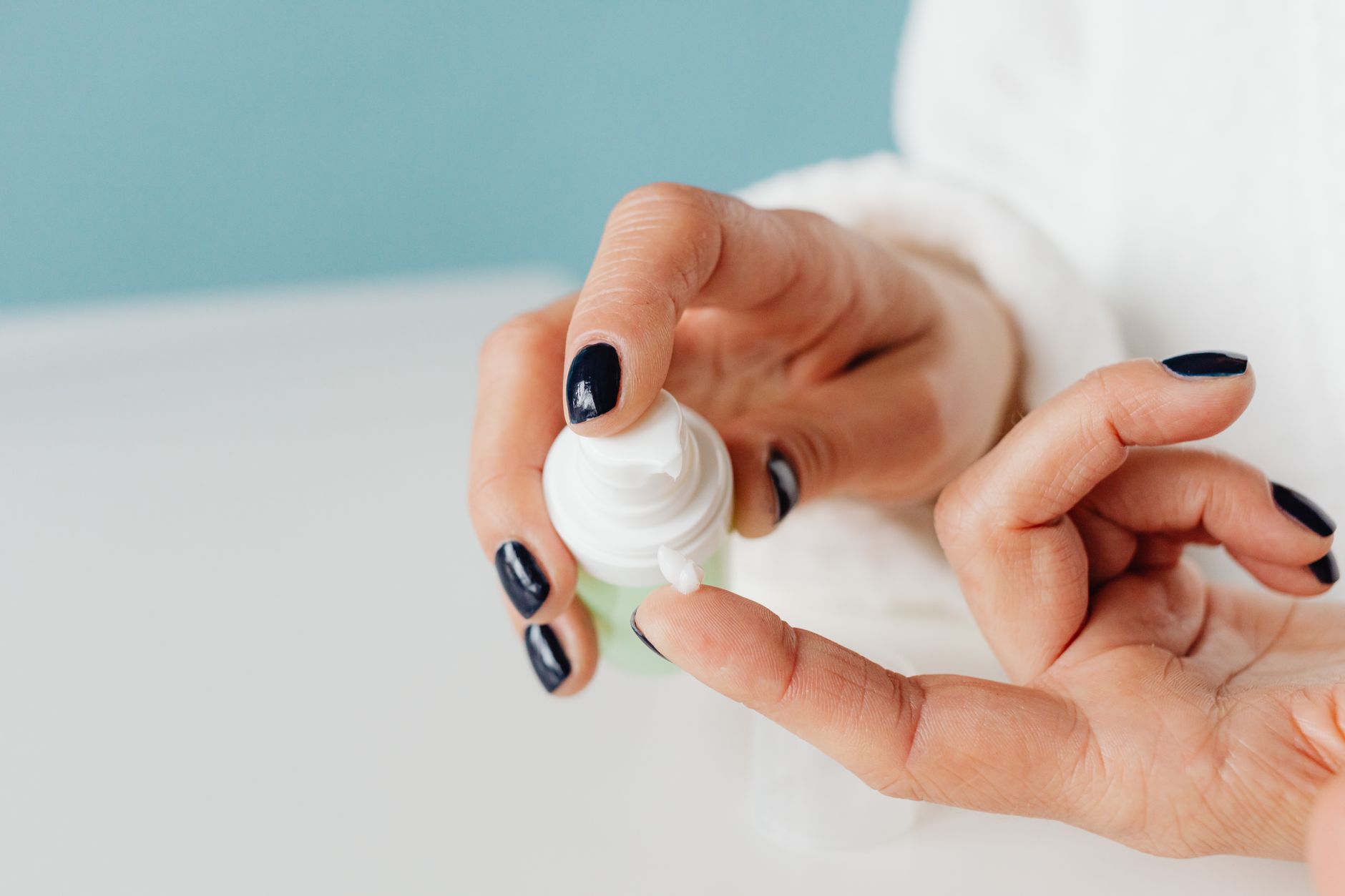
Azelaic acid fights pore bacteria and reduces follicle clogging without strong peeling. Exfoliating acids clear acne differently: glycolic acid loosens surface dead cells, while salicylic acid dissolves oil plugs inside pores. Oily, blackhead-prone skin often starts with salicylic acid for pore clearing. Sensitive, redness-prone, mark-prone, or pregnant patients often favor azelaic acid.
Medical information disclaimer: This article is for general educational purposes only and does not provide medical advice, diagnosis, or treatment. Always consult a physician or other qualified health professional about symptoms, medications, tests, or treatment decisions.
Table of Contents
- How do they clear acne differently?
- What about dark marks after breakouts?
- Which option fits your skin?
- How do you use them without irritation?
How do they clear acne differently?
MedlinePlus explains azelaic acid kills pore bacteria including Cutibacterium acnes and lowers keratin that blocks follicles MedlinePlus drug information. A peer-reviewed review describes added antibacterial, mild anti-keratinizing, antioxidant, and anti-inflammatory actions. It also reduces bacterial protein synthesis and calms neutrophil oxidative burst.
The Cleveland Clinic explains water-soluble AHAs such as glycolic acid loosen surface dead-cell bonds Cleveland Clinic guide to facial acids. Oil-soluble salicylic acid moves through sebum inside follicles to dissolve oil plugs and prevent comedones. Comedones are clogged pores seen as blackheads and whiteheads.
What about dark marks after breakouts?
Azelaic acid selectively slows overactive melanocytes, the cells that make pigment, by blocking tyrosinase. That action fades post-acne dark marks and melasma patches. Exfoliating acids mainly prevent new marks by keeping pores clear, not by directly calming pigment cells.
Direct comparisons of azelaic acid against salicylic or glycolic acid remain limited. A Cochrane-based review of 49 trials in 3,880 acne patients found few salicylic-acid comparisons and rated much comparative evidence as low-certainty. So choose based on skin needs and tolerance, not on claims of one clear winner.
Which option fits your skin?
Oily and blackhead-prone skin often does best starting with salicylic acid for pore clearing. Sensitive, redness-prone, and darker skin prone to lingering marks often does better with azelaic acid.
The Dermatology Times pregnancy safety review notes azelaic acid is generally well tolerated and considered acceptable in pregnancy, while high-concentration salicylic peels are avoided Dermatology Times evidence review. AHAs and BHA more often cause stinging, dryness, and sun sensitivity.
- Start salicylic acid if pores clog fast, blackheads persist, and skin tolerates mild dryness.
- Start azelaic acid if skin stings easily, rosacea flares with acne, marks linger for months, or you are pregnant.
How do you use them without irritation?
U.S. prescription azelaic acid is 20% cream twice daily for mild-to-moderate inflammatory acne. For inflammatory papules and pustules of rosacea, 15% gel or foam is used twice daily.
Papules are red bumps; pustules are pus-filled spots. Introduce any acid slowly and protect skin from sun every morning. Stop or call your clinician for severe burning, swelling, blistering, or spreading rash.
- Apply a thin layer to clean, dry skin as directed.
- Use daily sunscreen; expect pigment fading over 8-12 weeks.