
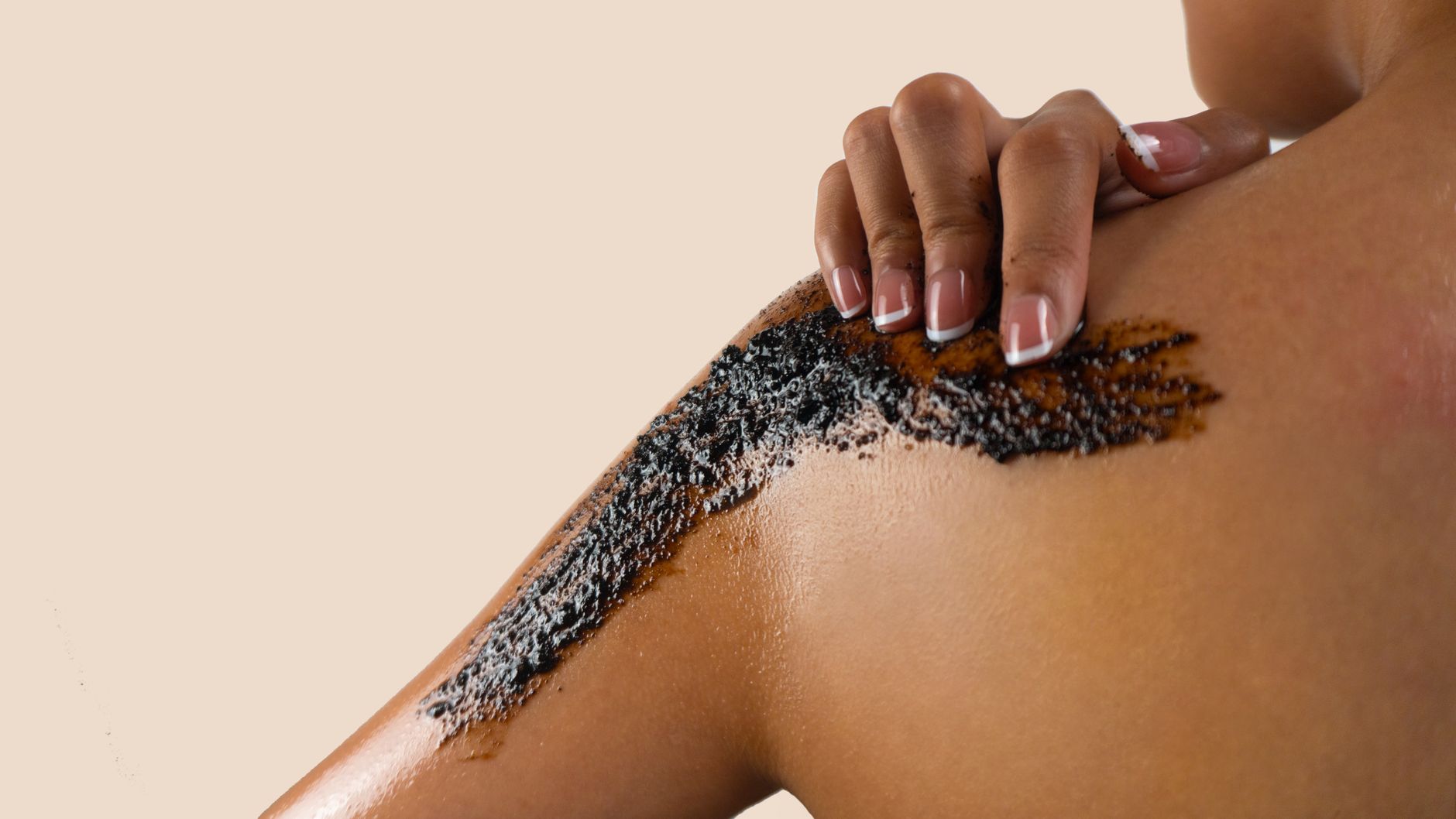
Yes, dermatologists say over-exfoliating can damage acne-prone skin and make existing acne worse. Exfoliation removes dead surface cells, and overdoing it injures the skin instead of clearing pores.
The skin barrier is the outer layer that holds water in and keeps irritants and bacteria out. Filipino board-certified dermatologists Amanda Esquivel and Bryan Guevara link over-cleansing and over-exfoliating to barrier damage. They say that damage brings dryness, irritation and inflammation that makes existing acne worse, as reported in Allure Philippines on acne lifestyle triggers.
Medical information disclaimer: This article is for general educational purposes only and does not provide medical advice, diagnosis, or treatment. Always consult a physician or other qualified health professional about symptoms, medications, tests, or treatment decisions.
Table of Contents
- How over-exfoliating harms acne-prone skin
- Do scrubs pose more risk than chemical exfoliants?
- How do you know the barrier is damaged?
- How can you exfoliate without worsening acne?
How over-exfoliating harms acne-prone skin
Aggressive rubbing strips protective oils and roughs up already inflamed spots. Dermatology guidance sourced to the American Academy of Dermatology says scrubbing acne-prone skin can irritate skin and worsen acne. The same guidance warns that deliberately drying oily skin raises irritation and breakout risk, described in Loudoun Dermatology on treating acne correctly.
Board-certified dermatologist Rebecca Tung, quoted by the American Academy of Dermatology, warns exfoliation is not for everyone. Done improperly, it can do more harm than good, including increased redness and acne breakouts. Once the barrier weakens, moisture escapes more easily and irritants enter more easily. That cycle leaves acne-prone skin drier, more reactive, and slower to calm down.
Do scrubs pose more risk than chemical exfoliants?
Mechanical exfoliation uses brushes, sponges, or scrubs to physically remove dead cells. Chemical exfoliation uses mild acids to loosen dead cells without scrubbing. Tung advises people to choose exfoliation by skin type.
She notes mechanical methods may be too irritating for dry, sensitive, or acne-prone skin, which may prefer a washcloth plus a mild chemical exfoliant, according to five tips for patients considering at-home exfoliation. For acne-prone readers, the practical shift is away from harsh daily scrubs. A national dermatologist survey found appropriately dosed AHAs, BHAs, and PHAs can renew sensitive and oily or acne-prone skin while reducing inflammation risk.
How do you know the barrier is damaged?
Dermatologist Melissa Piliang explains the barrier is the outer stratum-corneum layer of dead cells, lipids, proteins, and fats. It keeps water in and chemicals and infectious bacteria out, as explained in the Cleveland Clinic skin barrier explainer.
Watch for these warning signs after exfoliating: One or two signs after a harsh scrub may fade if you pause exfoliation. Persistent stinging, scaling, or worsening breakouts point to barrier injury that needs gentler care.
- skin feels dry, tight, scaly, or flaky
- redness or irritation lasts longer than expected
- products sting when applied
- blackheads stay stable but tender pimples increase
How can you exfoliate without worsening acne?
Match the method to the type of acne. AAD expert Mary Lupo distinguishes noninflammatory acne with only blackheads and whiteheads from inflammatory acne with cysts and pustules. People with cysts and pustules should consult a board-certified dermatologist before choosing an exfoliation method.
Keep the routine gentle and simple. The dermatologist survey supports low-dose gentle exfoliation plus moisturizer over harsh daily scrubs, reported in the national survey on daily gentle exfoliation. Do not scrub inflamed spots, do not try to dry out oily areas, and do not stack multiple exfoliating products at once. If breakouts turn painful, spread quickly, or include deep cysts, stop exfoliating and seek dermatologic advice before restarting.