
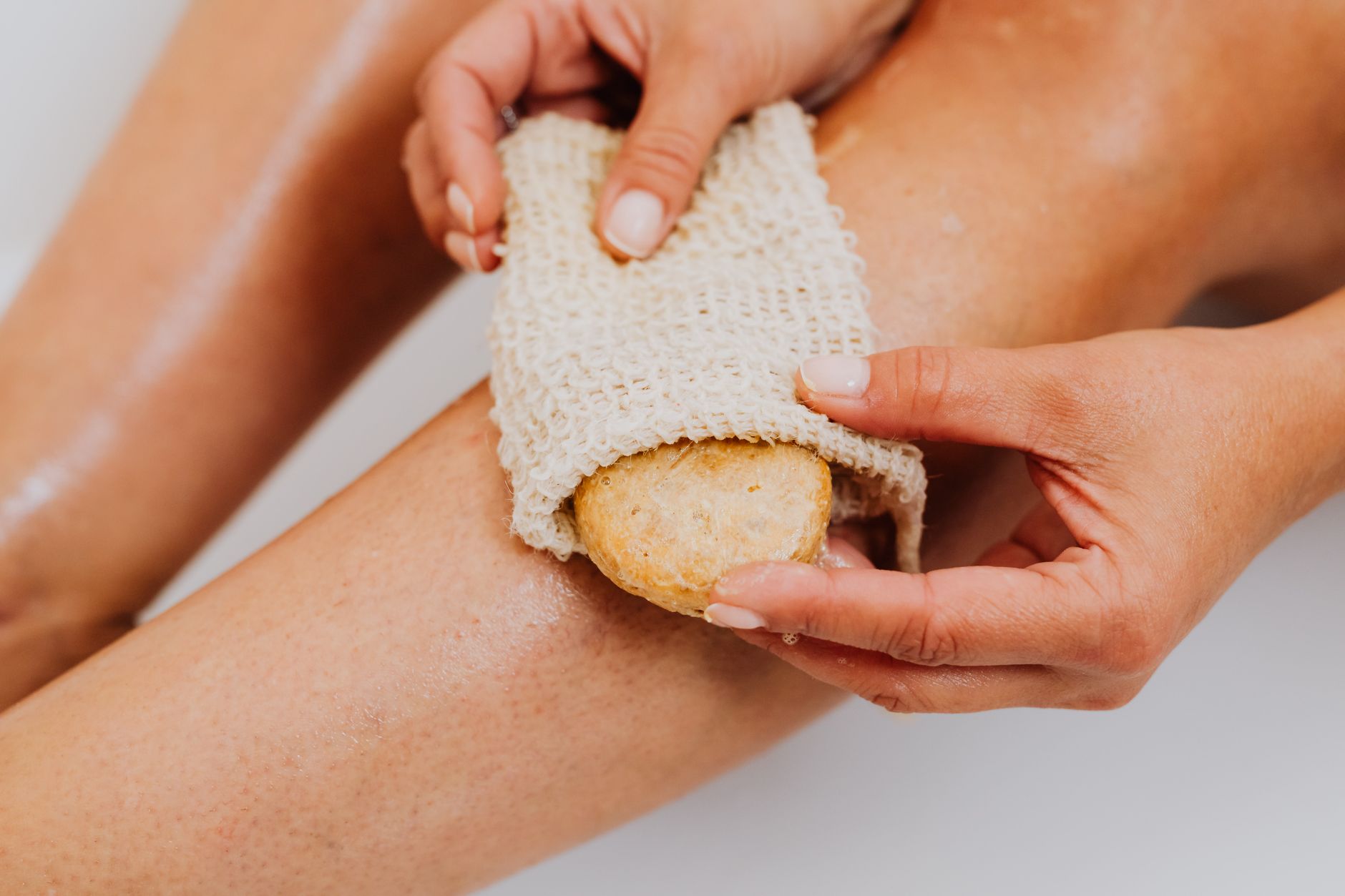
Exfoliating during or after washing in the shower is better for back acne than exfoliating before you get in. Wet, freshly washed skin lets the exfoliant work without rubbing sweat and oil deeper into pores. Exfoliation means removing built-up dead skin cells from the surface.
Cleveland Clinic states in its back acne overview that back acne forms when sweat, oil, dead cells and bacteria become trapped in pores. Tight clothing, backpacks and sports gear add friction that worsens breakouts. Showering and changing after heavy sweating helps limit that buildup.
Medical information disclaimer: This article is for general educational purposes only and does not provide medical advice, diagnosis, or treatment. Always consult a physician or other qualified health professional about symptoms, medications, tests, or treatment decisions.
Table of Contents
- Why wet, clean skin works better
- How should you exfoliate an acne-prone back?
- Where does acne wash fit in?
- How often should you exfoliate?
Why wet, clean skin works better
Cleveland Clinic directs in its shower exfoliation guidance people to wash gently with lukewarm water before exfoliating. That order softens dead cells and rinses away surface sweat and oil first. Dry, dirty skin gives the exfoliant more debris to drag across pores.
Clean damp skin also absorbs the next steps better. Cleveland Clinic lists unclogging pores, smoothing rough skin and improving moisture absorption among exfoliation benefits. For the back, that means clearer pores and a smoother surface for treatment wash and moisturizer.
How should you exfoliate an acne-prone back?
Use a mild chemical exfoliant plus a soft washcloth rather than a harsh scrub or stiff brush. Dermatology guidance summarized by the American Academy of Dermatology in Patchology's exfoliation guide favors this gentler pairing for acne-prone, dry or sensitive skin.
Do not scrub, pick or rub active lesions. Try this simple in-shower order: This approach clears loose cells with less friction. Hard scrubbing does not clear acne faster and can make soreness worse.
- Wash your back first with lukewarm water and an oil-free noncomedogenic body wash.
- Apply the mild exfoliant lightly with a soft washcloth, using short gentle strokes.
- Rinse well and avoid pressing hard on tender, inflamed or broken spots.
Where does acne wash fit in?
For mild or moderate back acne, the American Academy of Dermatology recommends in its back-acne care guidance a daily benzoyl peroxide emollient foam wash. Leave it on the back for two to five minutes before rinsing. A 5.3% strength is less likely to irritate than higher strengths.
Use the medicated wash on days you are treating breakouts, not layered heavily under strong exfoliants. Rinse fully from the back, neck and shoulders. Change into clean, loose clothing after showering when you have been sweating.
How often should you exfoliate?
Limit body exfoliation to about once or twice weekly. More sessions or harder pressure can cause redness, sensitivity and barrier irritation.
That irritation can make back acne look and feel worse. Moisturize right after exfoliating to protect new surface skin. Skip exfoliation on inflamed, broken, sunburned or recently treated skin, and return only after the area calms.