
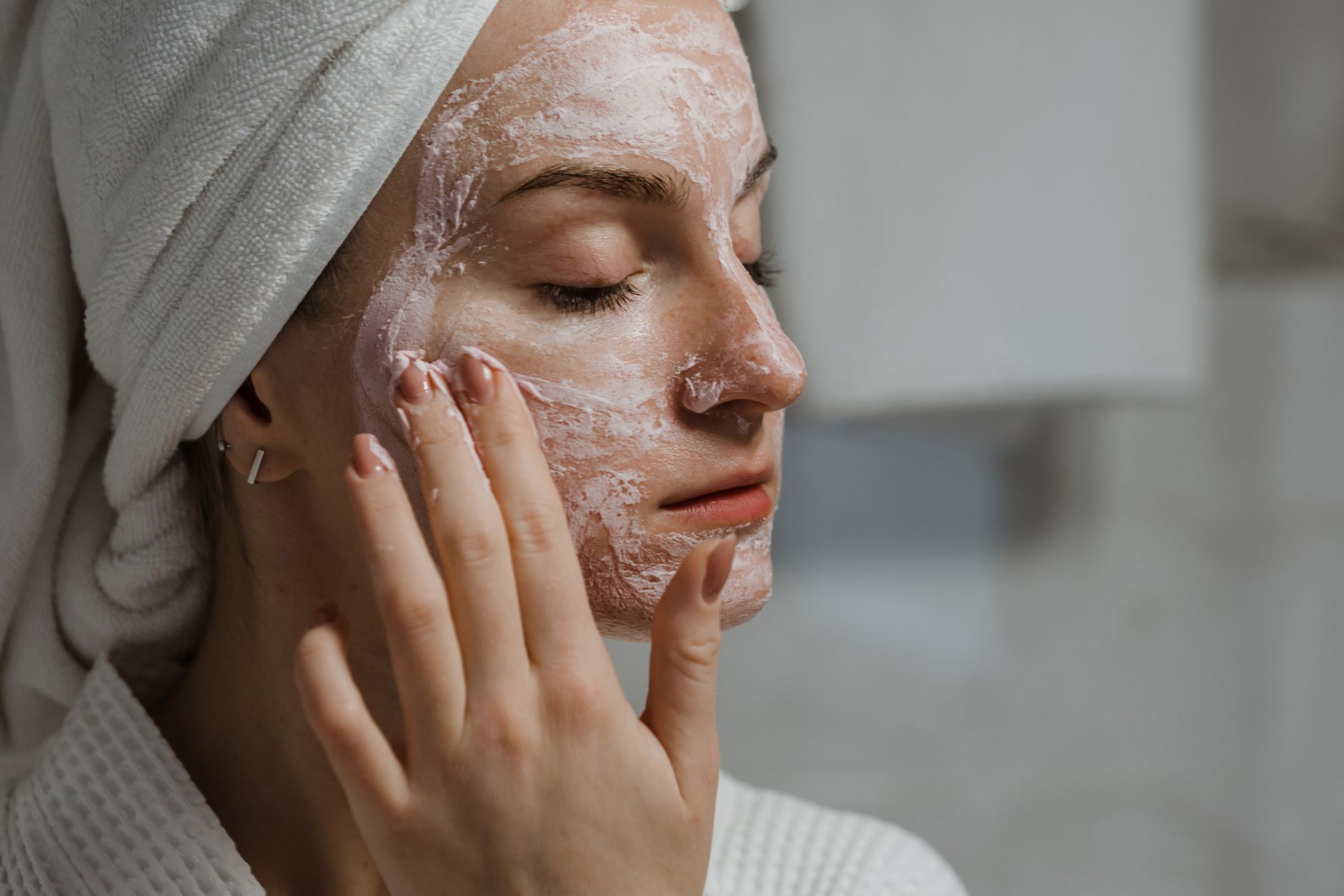
Salicylic acid, benzoyl peroxide, and glycolic acid have the strongest support in exfoliating washes for acne. Salicylic acid suits oily skin with blackheads and whiteheads, benzoyl peroxide targets inflamed pimples, and glycolic acid smooths texture and mild breakouts.
An exfoliating face wash is a short-contact cleanser that loosens dead cells and excess oil during washing. Choice works best by breakout type, not foam or scrub feel. Strength, contact time, and gentle use shape results.
Medical information disclaimer: This article is for general educational purposes only and does not provide medical advice, diagnosis, or treatment. Always consult a physician or other qualified health professional about symptoms, medications, tests, or treatment decisions.
Table of Contents
- Which ingredient unclogs blackheads?
- What calms inflamed pimples?
- Where does glycolic acid fit?
- How do you wash without irritation?
Which ingredient unclogs blackheads?
The American Academy of Dermatology describes salicylic acid as an oil-soluble beta-hydroxy acid that enters pores to dissolve excess sebum and dead cells its guide to breakout types. That action makes it best for blackheads, whiteheads, and mild comedonal acne in oily, acne-prone skin.
The FDA permits salicylic acid at 0.5% to 2% as an active ingredient in over-the-counter acne products, according to FDA guidance federal guidance on topical acne products. Washes above 2% fall outside that OTC acne monograph. Pick a labeled 2% or lower for daily use if skin is oily and congested.
What calms inflamed pimples?
Benzoyl peroxide kills Cutibacterium acnes bacteria and helps clear inflammatory pimples. The 2024 American Academy of Dermatology acne guideline strongly recommends benzoyl peroxide while only conditionally recommending salicylic acid, as summarized through Guideline Central acne guideline summary. That difference matters when red, tender bumps dominate.
The FDA concluded in a final rule that benzoyl peroxide at 2.5% to 10% is generally recognized as safe and effective for OTC topical acne treatment. Lower strengths often cleanse with less peeling. Start at the low end when skin runs dry or sensitive.
Where does glycolic acid fit?
Glycolic acid is an alpha-hydroxy acid that loosens bonds between surface dead cells. That action smooths texture and helps unclog pores. A 2023 peer-reviewed review in Cosmetics found it reduces lesions and acne scarring, especially combined with salicylic acid.
Short contact can still help mild acne. A Journal of Cosmetic Dermatology trial found twice-daily washing for 6 weeks with an acidic glycolic cleanser at pH 4 significantly improved mild acne. Use this type for dull texture, clogged pores, and marks after mild breakouts.
How do you wash without irritation?
Exfoliating acids and benzoyl peroxide can cause dryness, peeling, and irritation, according to the American Academy of Dermatology. Start low in strength and frequency.
Add moisturizer and daily sunscreen, and avoid harsh scrubbing or over-washing. Dermatologists advise gentle washing up to twice daily and after sweating. Use fingertips with a gentle, non-abrasive, noncomedogenic cleanser, not washcloths or sponges.
- Wash up to twice daily and after sweating
- Use fingertips, not washcloths or sponges
- Choose gentle, non-abrasive, noncomedogenic formula
- Moisturize, use sunscreen, and avoid scrubbing or over-washing