
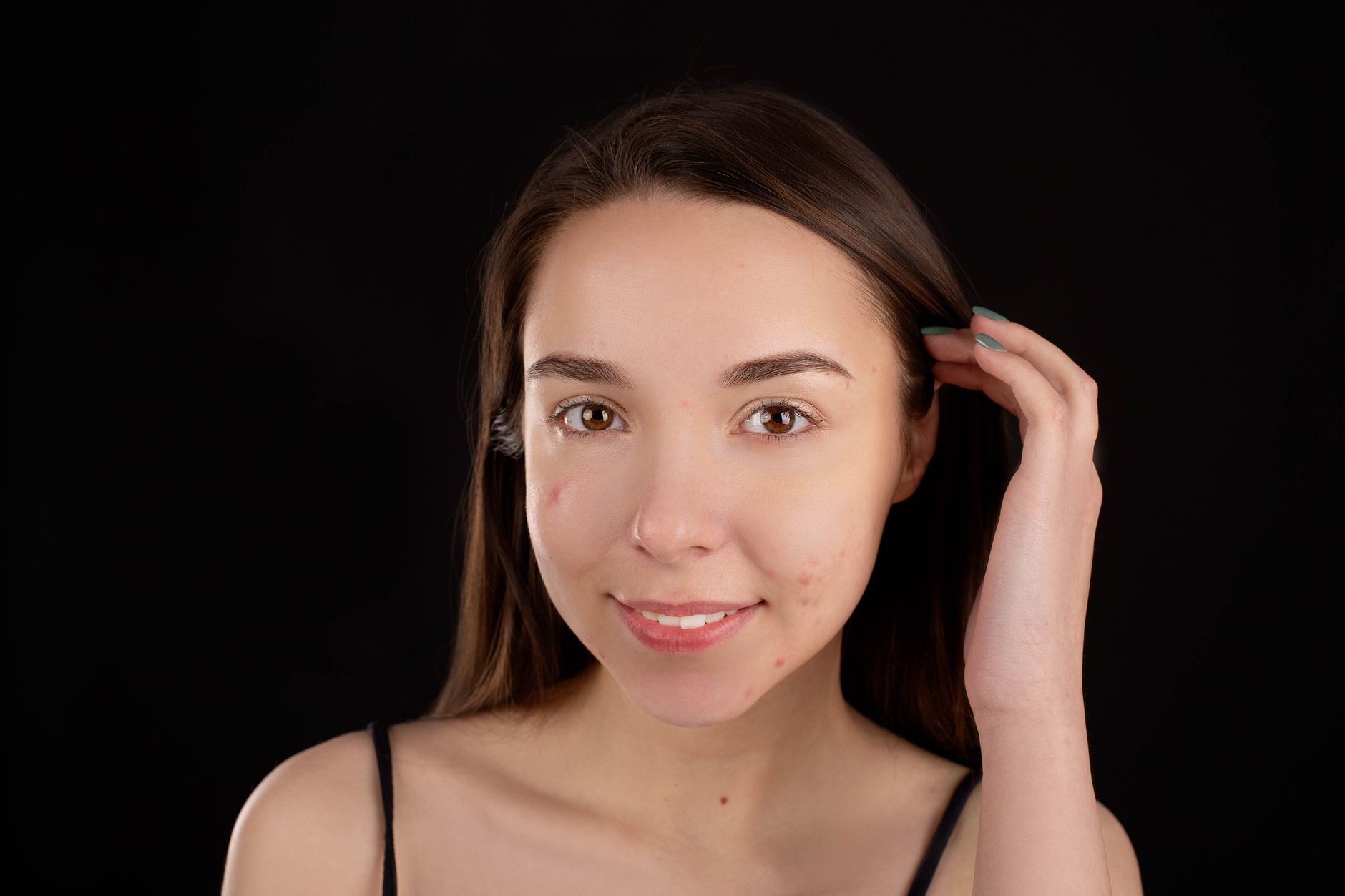
Pimple extraction means pressing or picking a spot to release pus. It leaves a scar when that pressure pushes pus, bacteria and swelling deeper into skin instead of clearing it.
Cleveland Clinic dermatologist Jennifer Lucas says squeezing pushes pus and inflammation both outward and deeper. That deeper push raises the chance of a lingering mark and can spread material that triggers nearby breakouts Cleveland Clinic's explanation of why popping harms skin. That deeper injury heals slowly and is more likely to leave texture or color change.
Medical information disclaimer: This article is for general educational purposes only and does not provide medical advice, diagnosis, or treatment. Always consult a physician or other qualified health professional about symptoms, medications, tests, or treatment decisions.
Table of Contents
- How squeezing injures skin from below
- Which pimples scar most easily?
- Why clinic technique differs from home squeezing
- What helps skin heal without a mark?
How squeezing injures skin from below
Pressure feels useful when fluid reaches the surface. Much of that force also moves down and sideways into nearby tissue. That trapped mix keeps swelling active longer.
Healing tissue held under prolonged swelling is more likely to keep a dent, raised spot, or dark mark. A small whitehead that is left alone often flattens within days. The same spot squeezed hard can turn larger, redder, and sore the next morning.
Which pimples scar most easily?
The American Academy of Dermatology warns people not to pop deep, painful pimples or acne nodules. A nodule is a deep, tender lump without a surface head. The group says picking makes these spots look more noticeable and raises risk of infection and scarring.
It also warns of lasting color change, with higher risk in darker skin American Academy of Dermatology guidance on painful pimples. Medium and deep skin tones can keep a brown mark for months after the bump fades. Pain, depth, and lack of a clear opening are practical signs to keep hands off.
Why clinic technique differs from home squeezing
WebMD describes safer office technique using gloves, a sterile needle to open the spot, and a comedone extractor to clear it. A comedone extractor is a small loop tool that presses evenly around the opening.
Dermatologists and trained estheticians use that method rather than pressing with bare fingers WebMD's description of safer extraction technique. Home squeezing with fingers or unsterilized tools can bruise tissue and add new bacteria. Nails and household tools press unevenly and can tear the surface.
What helps skin heal without a mark?
The National Institute for Health and Care Excellence found no trial evidence on whether squeezing or scooping pus helps or harms. Its acne committee still advises that repeated picking or scratching can raise scarring risk, based on clinical experience NICE evidence review on picking and scarring risk. Hands-off care lowers that repeated trauma.
Gentle steps protect the surface while the swelling settles. If spots feel deep, keep returning, or start to leave marks, pause home extraction. Ask a pharmacist, GP, or dermatologist about safer treatment options.
- Keep fingers, nails, and tools off the spot.
- Cleanse gently and avoid scrubbing or reopening the crust.
- Leave deep, painful lumps alone.
- Ask a pharmacist, GP, or dermatologist if breakouts repeat or leave marks.