
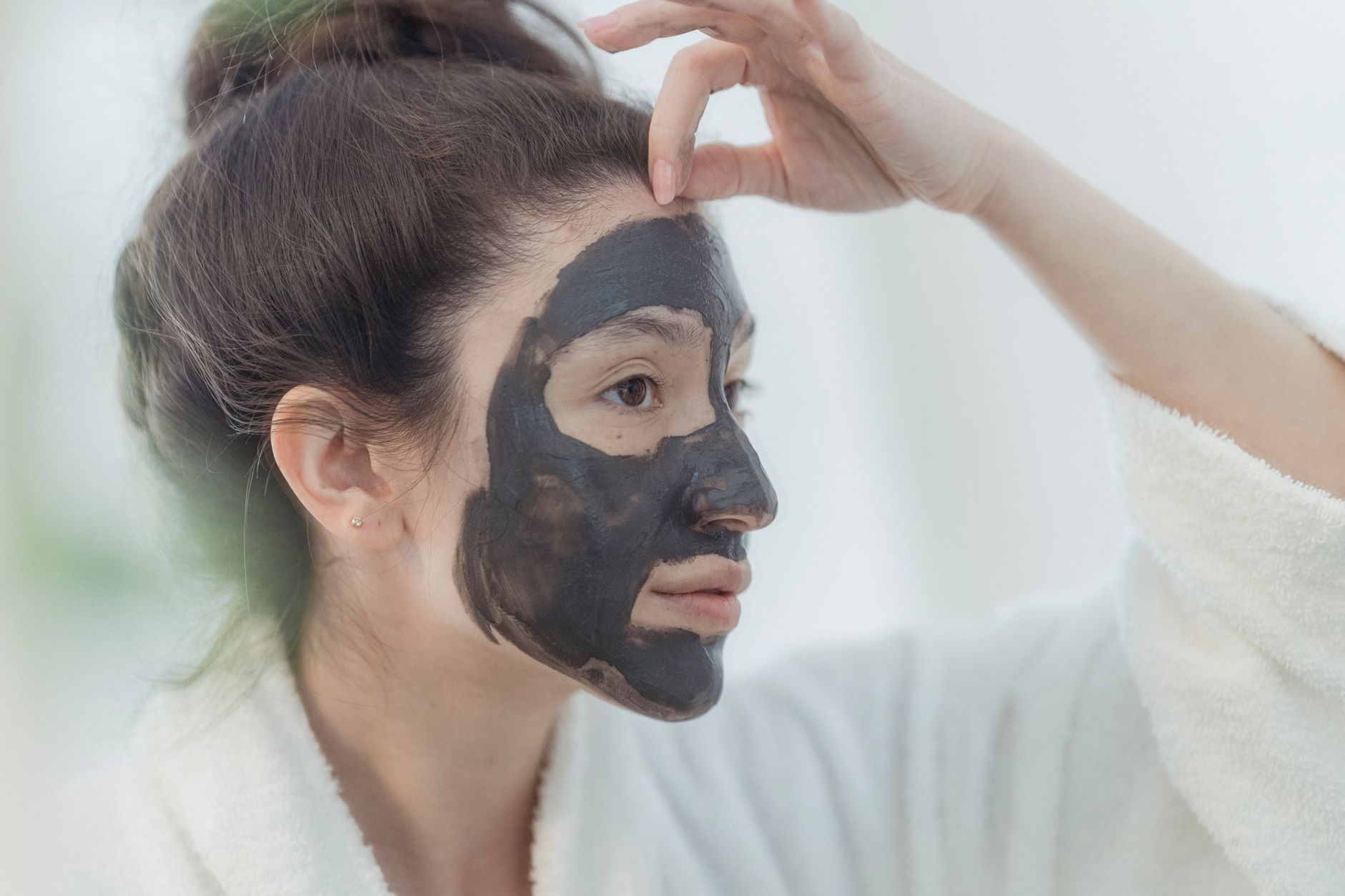
Yes, but only under narrow conditions: the blackhead must be non-inflamed and already open at the surface, and you must use gentle pressure with clean tools rather than squeezing or digging. A blackhead is a clogged pore where trapped oil and dead skin cells have oxidized and turned dark at the surface, distinct from a whitehead, which stays closed and can become inflamed. Medical News Today reports that these open, non-inflamed blackheads can sometimes be extracted at home with care, while inflamed or recurring lesions should be left to a dermatologist. The safety line isn't about willpower or technique alone — it's about which blackhead you're dealing with.
Medical information disclaimer: This article is for general educational purposes only and does not provide medical advice, diagnosis, or treatment. Always consult a physician or other qualified health professional about symptoms, medications, tests, or treatment decisions.
Table of Contents
- What Makes a Blackhead Safe (or Unsafe) to Touch
- How to Extract an Open Blackhead With Lower Risk
- When to Stop and Leave It Alone
- Why Professional Extraction Is Lower-Risk
- Treating Blackheads Without Extraction
- Frequently Asked Questions
What Makes a Blackhead Safe (or Unsafe) to Touch
A blackhead that's safe to attempt at home is open, flat against the skin, and shows no redness or swelling around it. These are sometimes called "ripe" because the clog sits close to the surface and releases with minimal force. An unsafe one is inflamed, deep, cystic, or keeps coming back in the same spot.
The American Academy of Dermatology advises against popping, squeezing, or picking at blackheads and pimples at home generally, warning that it can cause permanent scarring, more painful and noticeable acne, and infection from pushing bacteria deeper into the skin. UCLA dermatologist Jayden Galamgam, quoted by National Geographic, draws the same distinction: squeezing an inflamed lesion risks pushing bacteria deeper and causing infection, pigment changes, and scarring, while extracting an open blackhead specifically carries lower risk than popping an inflamed pimple, provided it's done correctly. The practical takeaway is to sort your blackheads before you touch any of them. If a spot is red, tender, swollen, or has resisted previous attempts, it belongs in the "leave it alone" category regardless of how tempting it looks.
How to Extract an Open Blackhead With Lower Risk
If you've confirmed the blackhead is open and non-inflamed, the method matters as much as the decision to proceed. Medical News Today specifically recommends this tissue-covered or clean-nail approach with gentle pressure for non-inflamed, open blackheads.
Dermatologist Dr. Diane Madfes, cited by Garnier, warns that picking at a blackhead introduces bacteria from the fingers and can stretch or enlarge the pore opening, raising the chance of a lasting mark — which is why bare-finger pinching is worse than a tissue barrier with light pressure.
- Wash your hands and the area first to reduce the bacteria you're introducing into the pore.
- Use a clean, trimmed fingernail wrapped in a tissue, or two clean fingertips, rather than bare nails or metal tools.
- Apply gentle, even pressure around the pore rather than pinching directly on top of it.
- Stop after one or two attempts if nothing moves.
When to Stop and Leave It Alone
The content that comes out, and how easily, tells you whether to continue. If a blackhead doesn't release with light, even pressure, the right move is to stop and try again later rather than force it. Forcing an extraction is where most damage happens.
Time, citing AAD guidance, reports that squeezing lesions at home can produce long-term scarring, inflammation, infection, and worsened, more painful acne over time — the core risk anyone attempting a home extraction faces, whether the lesion was inflamed to begin with or became inflamed from the attempt itself. Dermatology sources agree that cystic, inflamed, or persistently recurring lesions should be managed by a board-certified dermatologist rather than repeated self-extraction, according to US Dermatology Partners. Repeated attempts on the same spot are a signal, not a strategy. If a blackhead returns in the same pore after extraction, or won't budge after a couple of gentle tries, that's a pattern a dermatologist can address with tools and timing better suited to it.
Why Professional Extraction Is Lower-Risk
The sterility of the tools and environment is the biggest difference between a dermatologist's office and your bathroom mirror. US Dermatology Partners notes that in-office extractions use sterilized instruments under sterile conditions, which lowers infection risk compared with unsterilized at-home tools such as needles, tweezers, lancets, or bare fingernails.
A dermatologist can also distinguish a blackhead that will release cleanly from one that will tear skin or scar if forced — a judgment call that's harder to make on your own face in a mirror. For anyone with frequent, inflamed, or cystic breakouts rather than occasional open blackheads, professional extraction removes the guesswork about which lesions are safe to touch at all.
Treating Blackheads Without Extraction
Extraction isn't the only path, and for widespread or stubborn blackheads, topical treatment often works better than repeated manual removal. NBC News Select, citing dermatologists, reports that over-the-counter salicylic acid is generally recommended for numerous small blackheads, while adapalene — an OTC retinoid — is better suited to larger, stubborn ones, with visible improvement typically taking about three to four weeks of consistent use.
That pregnancy caution comes from a dermatologist-reviewed guide on Reviewed.com, which also recommends the gradual nightly build-up for anyone starting a retinoid for the first time. For most people with scattered blackheads rather than a few isolated, ripe ones, consistent topical treatment addresses the underlying clog without the risk a manual extraction carries each time.
- Start retinoids a few nights a week and build up to nightly use, rather than applying every night immediately.
- Expect three to four weeks before judging whether a product is working.
- Avoid starting or continuing retinoid use during pregnancy or while trying to conceive, since retinoids can affect fetal development.
Frequently Asked Questions
What tools should I avoid using to extract a blackhead?
Avoid needles, metal tweezers, lancets, and bare fingernails. US Dermatology Partners notes these are unsterilized compared to the sterilized instruments used in professional extractions, raising infection risk.
Is it ever safe to pop an inflamed pimple at home?
No. The guidance that supports cautious blackhead extraction specifically excludes inflamed lesions — squeezing those carries the scarring, infection, and worsened-acne risks described by the AAD and Time.