
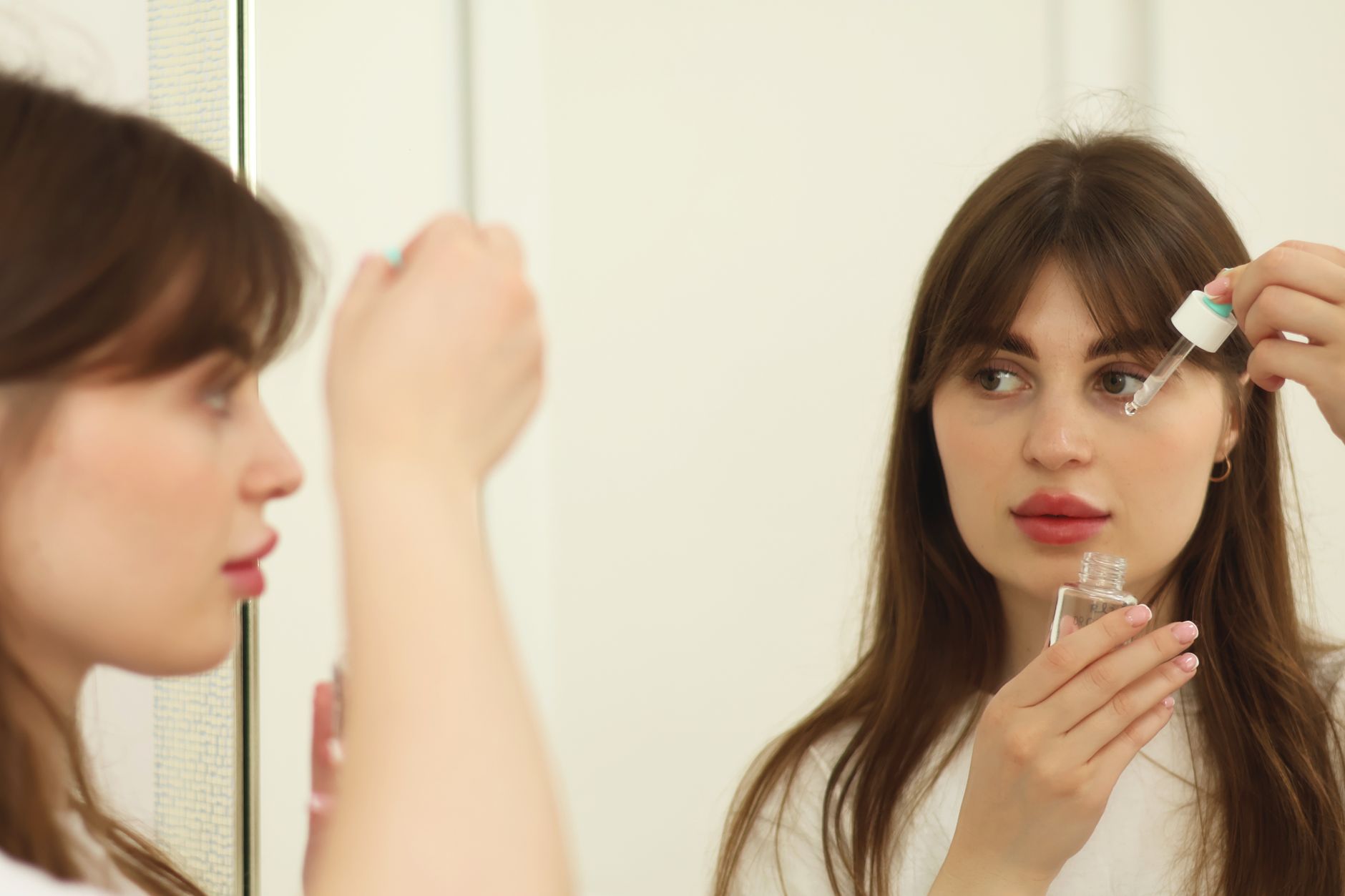
Best skincare routine for hormonal breakouts pairs gentle daily care with prescribed acne medication that fights oil, clogged pores and bacteria. Hormonal acne means adult acne driven by hormone shifts that raise sebum, a natural skin oil.
It affects adults ages 20-50, says the Cleveland Clinic in its overview of hormonal acne. Excess sebum clogs pores and forms blackheads, whiteheads, pimples and painful cysts. Breakouts can appear on the face, shoulders, chest and back.
Medical information disclaimer: This article is for general educational purposes only and does not provide medical advice, diagnosis, or treatment. Always consult a physician or other qualified health professional about symptoms, medications, tests, or treatment decisions.
Table of Contents
- How to Recognize Hormonal Breakouts?
- What Does Gentle Daily Care Include?
- Which Topical and Oral Treatments Help Most?
- Can Hormone-Targeted Pills Help Women?
- When Should You See a Dermatologist?
How to Recognize Hormonal Breakouts?
Hormonal breakouts often cluster on the lower cheeks, jawline and chin. The Cleveland Clinic notes they most often affect women in the teen years and adulthood. They tend to flare around periods, pregnancy and menopause.
Painful cysts are common. A cyst is a deep, tender lump under the skin. Tracking flare timing across cycles can help you and your doctor spot the pattern.
What Does Gentle Daily Care Include?
Start with a gentle, non-abrasive, alcohol-free cleanser each morning and night. Use fingertips and lukewarm water, says the American Academy of Dermatology in its acne skin-care tips. Apply acne medication after cleansing, then moisturize.
Skip scrubbing, astringents, toners and exfoliants that dry skin. These products can make acne look worse. Do not pick pimples or slug with petroleum jelly, which means sealing skin overnight under jelly.
- Cleanse gently, then pat dry.
- Apply prescribed acne treatment as directed.
- Use a non-comedogenic moisturizer each morning, which means it will not clog pores.
- Choose one with broad-spectrum SPF 30+ sunscreen, says the American Academy of Dermatology.
Which Topical and Oral Treatments Help Most?
One cream alone rarely clears stubborn breakouts. Dermatology Times, summarizing the AAD 2024 guidelines, finds strong support for fixed-dose combinations in its summary of the AAD 2024 guidelines. Those blends pair benzoyl peroxide, a bacteria-fighting treatment, with a retinoid, a vitamin-A based treatment that unclogs pores, and sometimes a topical antibiotic.
The same guideline summary notes doctors often combine methods, such as retinoid plus antibiotic plus benzoyl peroxide. A newer option is clascoterone, a skin-applied treatment that blocks androgen, or male-hormone, effects. Severe or scarring acne may need oral doxycycline or oral isotretinoin under close medical care.
Can Hormone-Targeted Pills Help Women?
Women with cycle-linked flares may benefit from estrogen-containing combined birth control pills. The Cleveland Clinic reports these pills lower androgen-driven oil and improve acne over several months. Doctors prescribe them when contraception and acne care are both needed.
Spironolactone is another prescription option for persistent jawline acne in women. It lowers androgen effects and excess sebum, with 50%-100% acne reduction cited by the Cleveland Clinic in its explainer on spironolactone for acne. It is prescription-only and generally not used in men.
When Should You See a Dermatologist?
See a dermatologist if breakouts persist, feel painful, or leave scars. The American Academy of Dermatology advises prompt care in those cases. Bring notes on cycle timing, products used and current prescriptions.
Ask which fixed-dose combination fits your skin and routine. Mention contraception needs or persistent jawline flares if they apply. Do not wait to seek care if scarring starts.