
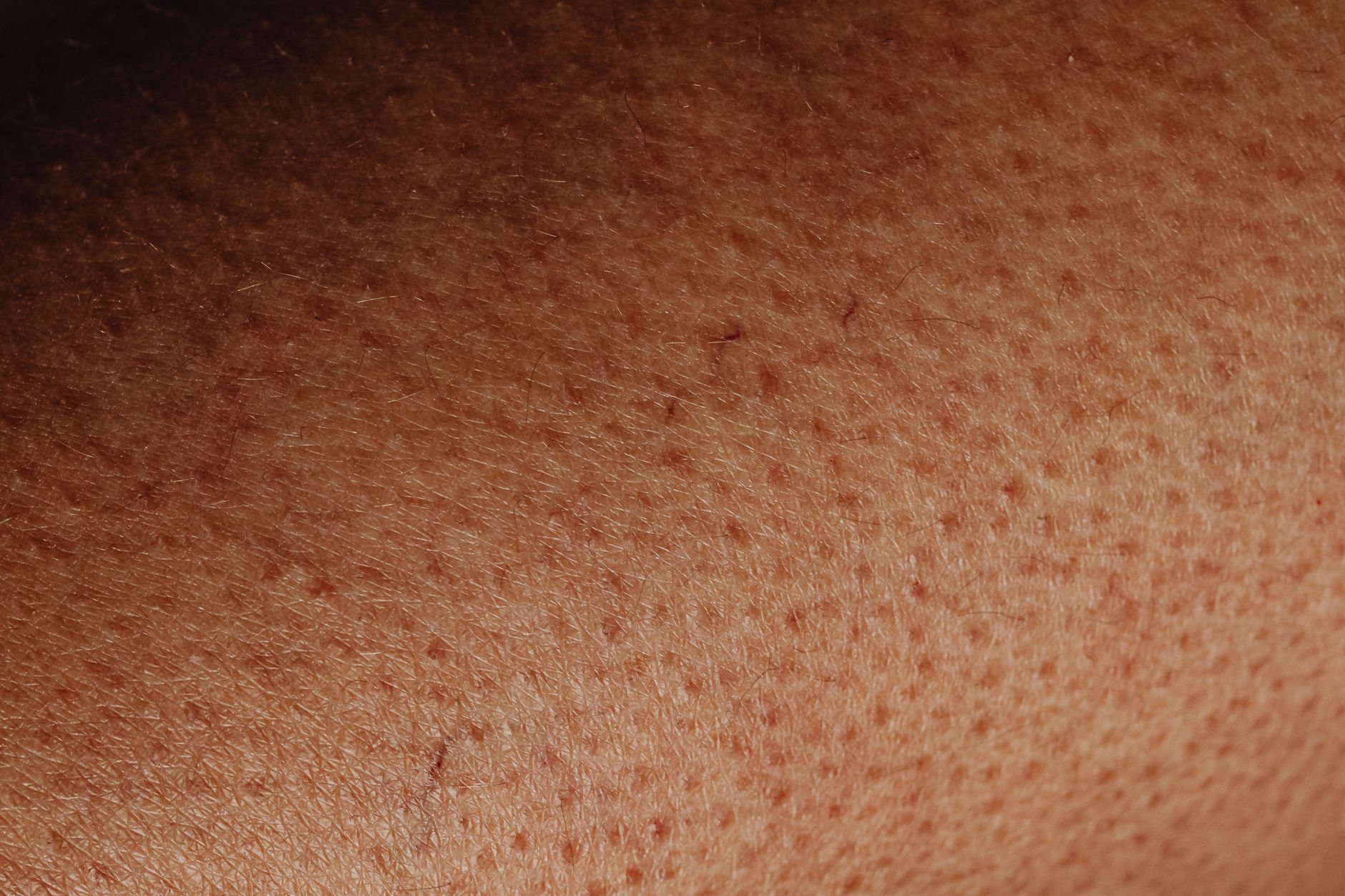
For rolling acne scars, split-face trials favor fractional CO2 laser for scar improvement but RF microneedling for recovery. CO2 brings more pain, longer redness and swelling, and more brown marks.
Rolling scars are wide, shallow, wavy dips tethered by tight bands below the surface. Subcision slides a needle under the skin to release those bands and spark collagen. The American Academy of Dermatology materials note best response in rolling and boxcar types.
Medical information disclaimer: This article is for general educational purposes only and does not provide medical advice, diagnosis, or treatment. Always consult a physician or other qualified health professional about symptoms, medications, tests, or treatment decisions.
Table of Contents
- Does stronger improvement justify harder recovery?
- Who should weigh brown-mark risk most?
- What helps rolling scars release and fill?
- What should you ask and watch during healing?
Does stronger improvement justify harder recovery?
The March 2026 Journal of Cosmetic Dermatology meta-analysis pooled eight randomized trials with 249 patients. It found CO2 laser improved scar scores more (mean difference 0.31) and raised satisfaction more (mean difference 0.32), per the Journal of Cosmetic Dermatology meta-analysis. The edge was modest, not complete clearance. CO2-laser sides reported higher procedural pain (mean difference 2.14), as noted in the Journal of Cosmetic Dermatology trial summary.
The same comparison found longer redness, swelling, and scab shedding on laser sides. It also logged more post-inflammatory hyperpigmentation events after CO2. Expect a louder procedure day and a slower first week with CO2. Ask your clinic how they cool skin and space sessions.
Who should weigh brown-mark risk most?
A 2026 systematic review in Lasers in Medical Science found comparable average scar reduction for CO2 and needling-based care. CO2 had slightly higher categorical success but higher pigment risk and downtime, per the Lasers in Medical Science systematic review. That review concluded RF-based microneedling remodels in parallel with a better safety profile.
Recovery runs faster, which matters most for pigment-prone patients facing lasting brown marks. In a Fitzpatrick types III-V split-face trial, mild hyperpigmentation occurred in 2 of 24 participants (8.3%), reported in the Dermatology and Therapy split-face report. Marks cleared within one month. Redness and acne flares were brief and self-limited.
What helps rolling scars release and fill?
Rolling scars sag because fibrous bands pull down wavy skin. The American Academy of Dermatology materials describe subcision as inserting a needle to release bands and prompt collagen. Response runs best in rolling and boxcar types. A randomized split-face trial in Dermatologic Surgery tested subcision alone versus subcision with suction for atrophic scars.
Both sides improved significantly. Physician and patient scores favored the suction side (p=.002, p=.026). Suction may help keep released tissue lifted while early collagen forms. Ask whether your scar pattern includes tethering that subcision can address.
What should you ask and watch during healing?
The trial record notes key CO2-versus-RF split-face evidence was single-treatment and exploratory. Samples were small with short follow-up, so pigment and recovery rates may not transfer across skin tones. Bring these checks to your consult.
They turn pigment and recovery data into a personal plan. Photograph scars in the same light weekly to track redness and brown marks. Pause retinoids, exfoliating acids, and unprotected sun until the clinic clears them.
- Skin tone, prior brown marks, and number of planned passes
- Pain control, cooling, sun protection, and aftercare steps
- Call signs for spreading redness, blisters, or darkening
You Might Also Like
- Recovery and Pigment Safety in the 2026 Split-Face Acne Scar Trial: How People With Rolling Acne Scars Can Compare Acne Scar Procedures
- Subcision With Suction for Acne Scars in a 2026 Split-Face Trial: Pigment, Pain, and Recovery Questions for People With Atrophic Acne Scars
- Objective vs Patient-Rated Results in the 2026 Subcision Trial: Pigment, Pain, and Recovery Questions for People With Atrophic Acne Scars