
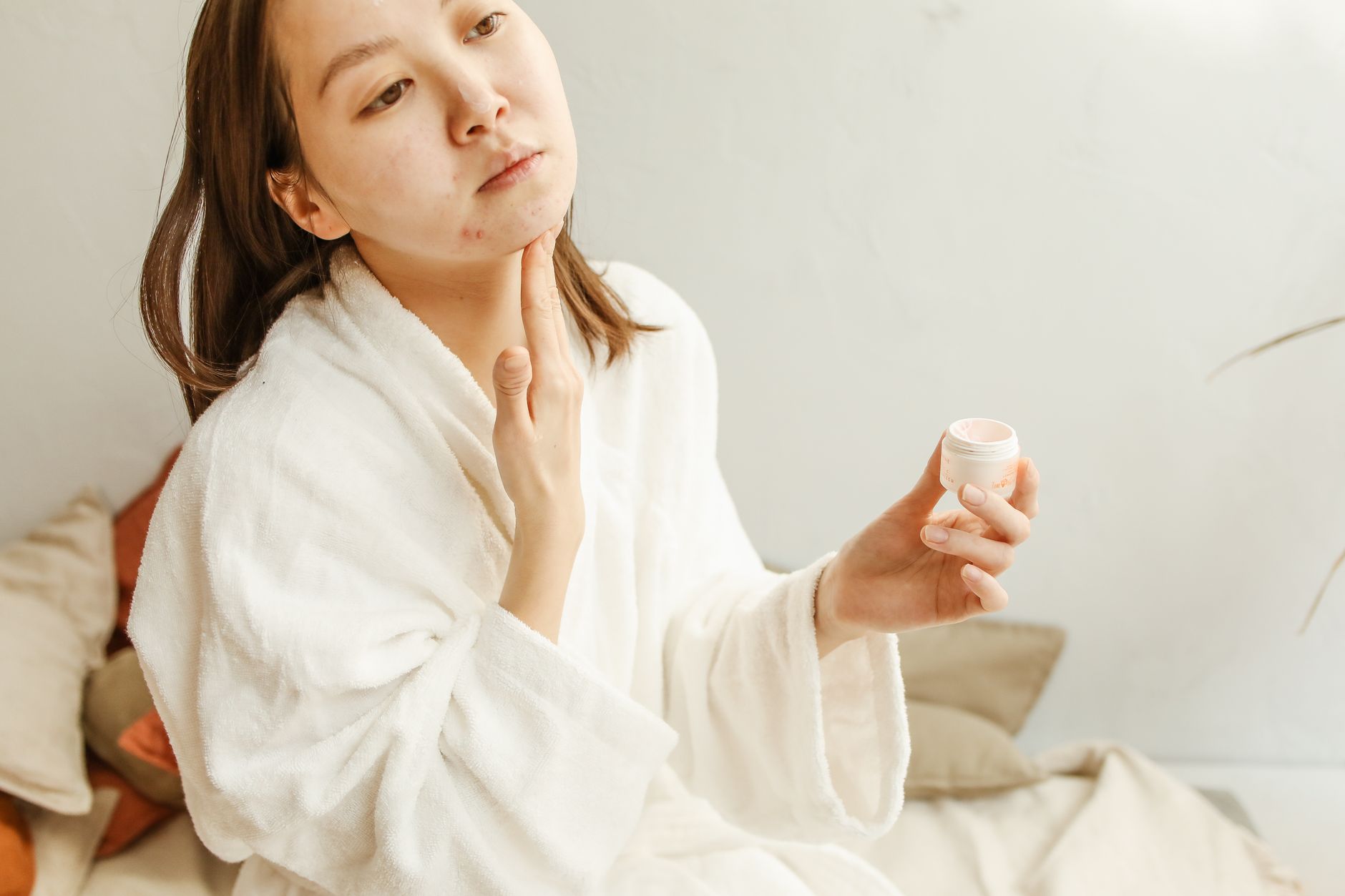
The January 2026 adolescent analysis does not prove causation because it measured acne, body image, self-esteem and self-confidence at one point in time. Teens with acne can discuss treatment steps plus body-image and counselling support with a pharmacist, GP, or counsellor. Path analysis is a statistical method that tests links between variables in a proposed model. The study used that method to link acne to body image, then body image to self-esteem and self-confidence.
Medical information disclaimer: This article is for general educational purposes only and does not provide medical advice, diagnosis, or treatment. Always consult a physician or other qualified health professional about symptoms, medications, tests, or treatment decisions.
Table of Contents
- What the January 2026 study found
- Why one-time measurement cannot show cause
- How often do teens report these concerns
- What support can teens discuss now
What the January 2026 study found
The Sriwijaya University Faculty of Medicine journal reported a direct link between acne and body image (b=0.64, p=0.042) in its January 2026 path analysis. Body image then linked acne indirectly to lower self-esteem and self-confidence. The numbers describe strength and pattern in that sample, not proof of cause.
That design matters for readers. A single survey can show that two problems travel together. It cannot show which came first or rule out other drivers.
Why one-time measurement cannot show cause
The NIH National Library of Medicine explains that cross-sectional studies measure exposure and outcome at one time, so they cannot establish temporality or causality in its cross-sectional study guidance. Longitudinal studies that follow the same teens over time must confirm risk factors. Without follow-up, researchers cannot separate timing from related pressures.
Social comparison is one related pressure. HealthAndMe reporting on teen skin-condition research links excessive screen and social-media use to poorer body image, likely through comparison with curated or filtered images. A Skin Therapy Letter dermatology review found effective acne treatment came with better self-esteem, body image, embarrassment, social assertiveness and confidence, but still called for longitudinal cohorts to validate causal inference.
How often do teens report these concerns
A U.S. Harris Poll of 1,010 teens ages 15-19, reported by MDedge, found 86% had experienced acne, while 71% said acne harmed body image and attractiveness and 67% said it harmed self-esteem. Those answers show many teens connect acne to appearance pressure.
They are self-reports, not clinical diagnoses. Tanta City researchers studying adolescents with acne vulgaris found 61.8% had body-image dissatisfaction, 65.5% had low self-esteem and 78.2% had poor acne quality of life, worsening with severity. The pattern fits the 2026 model: appearance concerns sit between skin symptoms and confidence. Greater severity brings greater burden, so early discussion helps.
What support can teens discuss now
The NHS advises not scrubbing acne, asking a pharmacist for treatment recommendations, and seeing a GP for persistent, severe, scarring or distressing acne in its NHS acne guidance. Norfolk NHS also lists Acne Support Group advice and Kooth counselling for ages 10-18.
Treatment plus emotional support addresses both skin and self-image. Raise these points at the visit: Bring a list of products tried, how long each was used, and one daily example of how acne affects school or mood.
- current skin routine and anything that irritates skin
- acne duration, severity changes, scars, pain, or dark marks
- effect on school, photos, sport, sleep, or friendships
- interest in counselling or peer support for appearance stress
You Might Also Like
- Why the 2026 Acne Body Image Study Does Not Prove Causation: Questions Teens With Acne Can Raise at an Acne Visit
- The 2026 Systematic Review of Acne and Quality of Life: How Teens With Acne Can Avoid Overreading Correlation
- Psychological Burden Across Acne Severity in 2026 Research: How Teens With Acne Can Avoid Overreading Correlation