
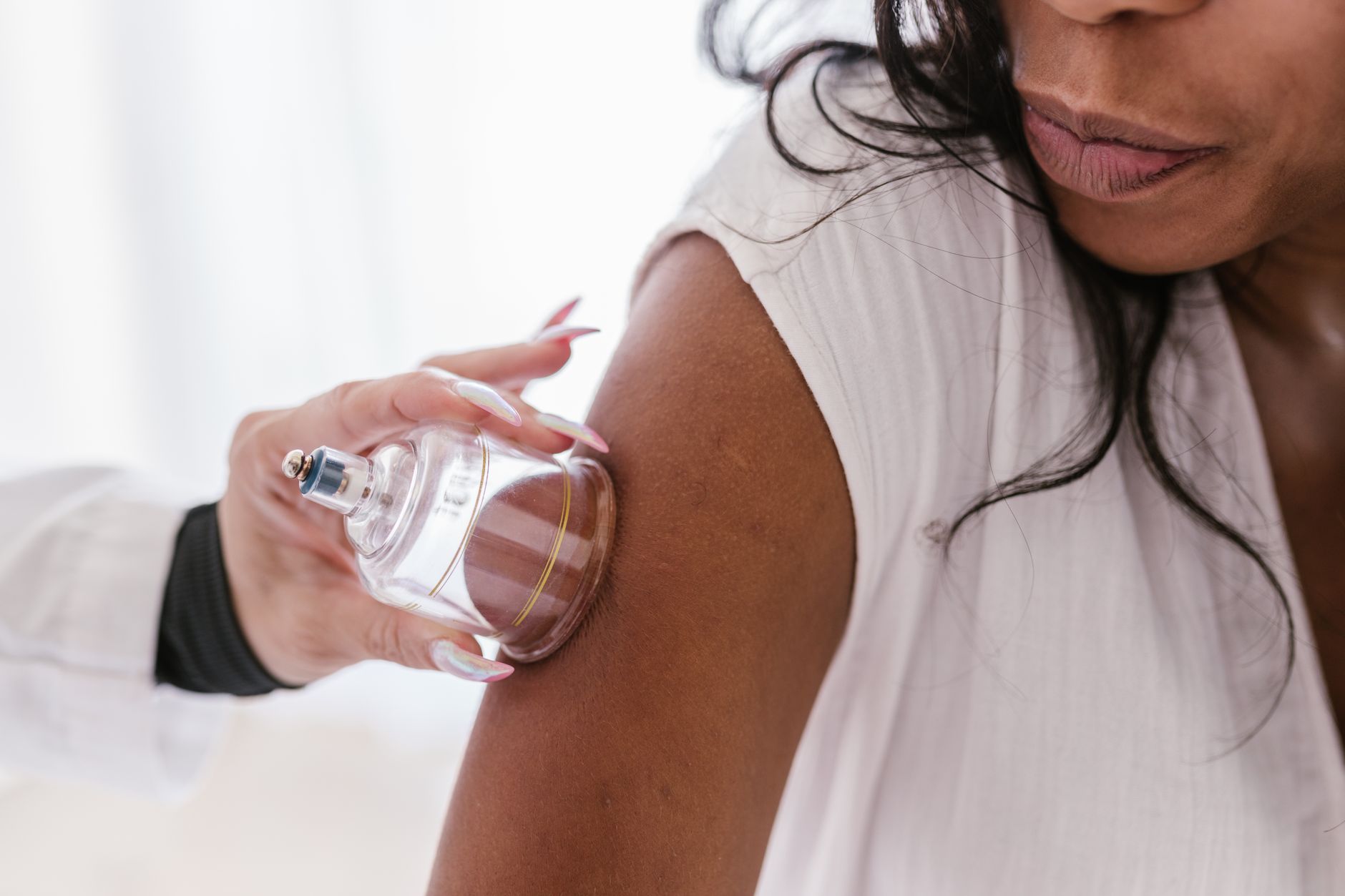
A 2026 split-face trial found suction added to subcision improved atrophic acne scars more than subcision alone. Atrophic scars are depressed scars, and subcision is a minor procedure that cuts fibrous bands pulling the skin downward. That result gives people with atrophic scars a starting point, not a prescription. Scar shape, session plan, downtime, and how improvement is measured all affect the choice.
Medical information disclaimer: This article is for general educational purposes only and does not provide medical advice, diagnosis, or treatment. Always consult a physician or other qualified health professional about symptoms, medications, tests, or treatment decisions.
Table of Contents
- What did the 2026 trial show?
- How does earlier research compare?
- Which scars fit subcision best?
- What should you ask before booking?
What did the 2026 trial show?
The trial treated one side of the face with subcision alone and the other side with subcision plus suction, according to the U.S. National Library of Medicine PubMed PubMed listing for the October 2026 issue.
Both sides improved significantly. Physician-rated and patient-rated improvement scores were significantly higher on the suction side, at p=0.002 and p=0.026. For a reader, that means doctors and patients both saw more improvement where suction was added.
How does earlier research compare?
An earlier split-face rater-blinded trial of 28 treatment areas found no dermatologist-rated difference at 1 and 4 months, according to the Research Square preprint by Shi et al. preprint page. Patients rated suction better at 1 month, 37% versus 24%, but not at 4 months.
That earlier protocol gave one subcision treatment to both sides, then 10 suction sessions to only one side. It used Acne Scar Severity Scale, Improvement Grading Scale, modified Quantitative Global Scarring Grades, and patient preference. The added suction benefit looks subjective and short-term rather than durable on objective scar counts. Small samples and only 1- to 4-month follow-up limit long-term conclusions.
Which scars fit subcision best?
Subcision best suits tethered rolling and shallow boxcar atrophic scars, according to the Cureus peer-reviewed review Cureus review. It releases fibrotic strands tethering skin downward and helps induce connective tissue. Narrow icepick scars usually need TCA CROSS or punch techniques.
Rolling scars look broad and wavy, shallow boxcars have sharp but shallow edges, and icepicks look narrow and deep. Ask a dermatologist to map your scar types in good light. Mixed scars are common, so one method rarely treats every mark.
What should you ask before booking?
Common recovery involves bruising, swelling, and tenderness for about 5 to 14 days, according to the Healthline medical review Healthline recovery guide. Less common effects include temporary firmness, small nodules, pigment change, or acne flare.
Use the consult to pin down downtime, suction schedule, session count, cost, and success measures: Bring recent photos and a list of past scar treatments. Ask what follow-up is included if nodules, pigment change, or breakouts occur.
- Which of my scars are rolling or shallow boxcar versus icepick?
- How many subcision and suction sessions do you plan, and how far apart?
- What downtime should I plan for bruising and swelling?
- How will we judge success, and when will we review photos or grades?
You Might Also Like
- Recovery and Pigment Safety in the 2026 Split-Face Acne Scar Trial: Questions People With Rolling Acne Scars Can Ask Before a Procedure
- The 160-Participant Acne Scar Combination Trial Published in 2026: Questions People With Atrophic Acne Scars Can Ask Before a Procedure
- Subcision With Suction for Acne Scars in a 2026 Split-Face Trial: Sample Size and Evidence Limits for People With Atrophic Acne Scars