
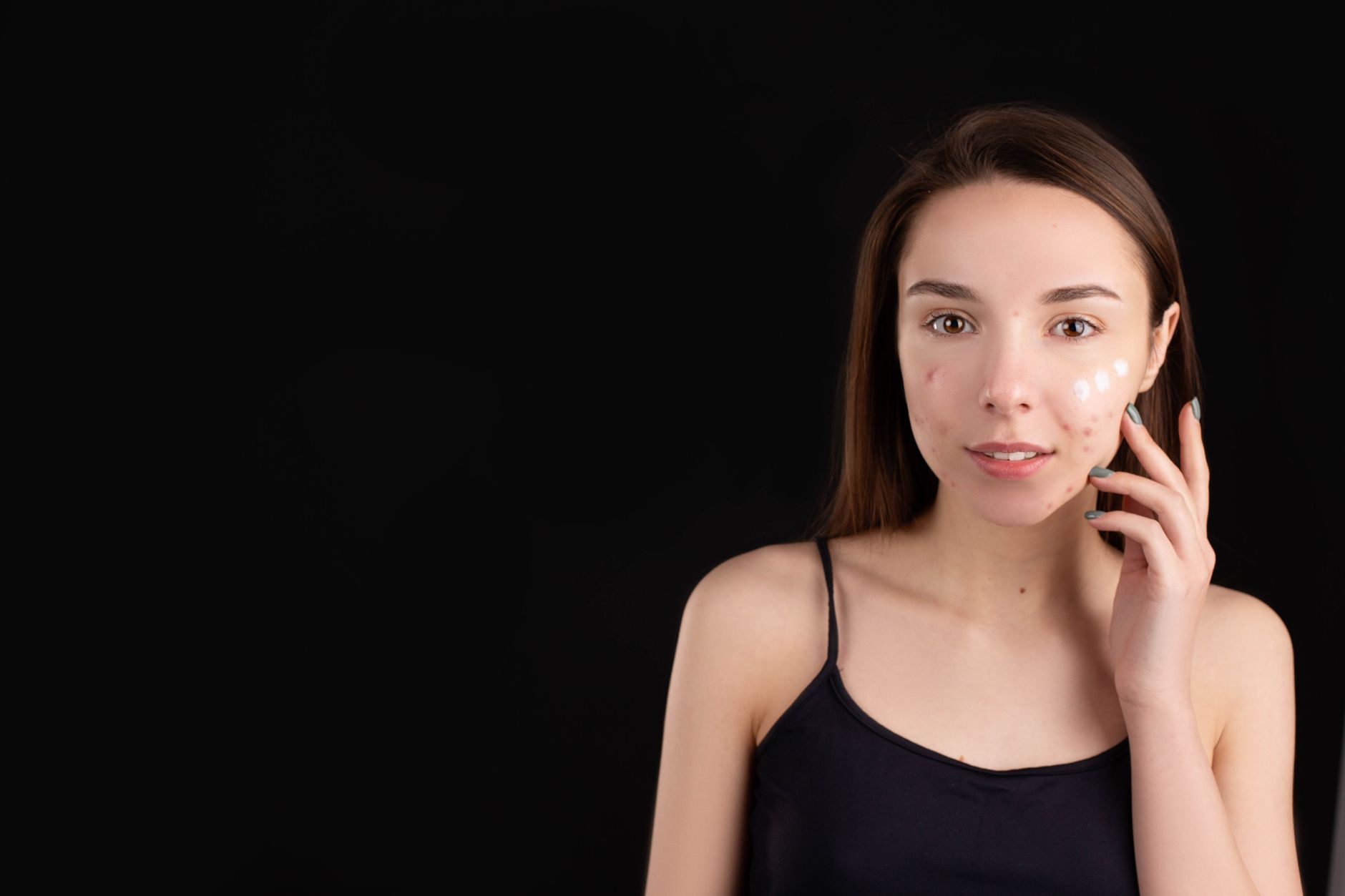
Parents of children with acne should ask whether the diagnosis is truly acne, which age-approved topical fits, and how antibiotics and eye symptoms will be handled. That focus reflects the pediatric acne and rosacea discussion at the 2026 AAD Annual Meeting, where early diagnosis plus individualized treatment were presented as essential.
Acne vulgaris is clogged pores, pimples, and inflamed spots. Rosacea is a separate inflammatory condition with redness and pimple-like bumps without clogged pores. As reported in an AAD press release via PR Newswire, Dawn Eichenfield, MD, PhD, of Rady Children's Hospital-San Diego/UC San Diego discussed how pediatric disease differs from adult disease at the meeting held March 27-31, 2026, in Denver, according to the Incyte announcement via Business Wire.
Medical information disclaimer: This article is for general educational purposes only and does not provide medical advice, diagnosis, or treatment. Always consult a physician or other qualified health professional about symptoms, medications, tests, or treatment decisions.
Table of Contents
- Why does age change the diagnosis?
- Which acne topical fits your child's age?
- How should antibiotics be used?
- Could it be pediatric rosacea?
- Should your child's eyes be checked?
Why does age change the diagnosis?
Childhood acne and rosacea do not behave like adult disease. Growth, sensitive skin, and different triggers shape symptoms and response. Individualized care matters more than a one-size routine.
A practical clue is comedones, the medical term for blackheads and whiteheads. Pediatric papulopustular rosacea lacks comedones, the hallmark of acne vulgaris, as reported by Dermatology Times. A child with red bumps but no clogged pores needs a different plan.
Which acne topical fits your child's age?
AAD's 2024 acne guidelines strongly recommend benzoyl peroxide and topical retinoids, alone or in fixed-dose combinations, for patients over age 9, according to the American Academy of Dermatology. Multimodal combinations are preferred over single-agent care. Ask the clinician to match the product label to age: Bring your child's exact age, current products, and prior irritation to the visit.
- age 9 and older: trifarotene 0.005% cream and adapalene-benzoyl peroxide combinations, according to the Medscape summary of the AAD guideline
- age 12 and older: clascoterone 1%, most other retinoids, and azelaic acid
How should antibiotics be used?
Antibiotics still have a role, but never alone. AAD advises pairing oral and topical antibiotics with benzoyl peroxide and limiting systemic duration, as reported by AAD via Newswise. The goal is to lower resistance and complications. For parents, that means three selection questions.
Is benzoyl peroxide included. How long will the systemic course last. What topical will maintain results after antibiotics stop. Clear stop and follow-up dates prevent open-ended refills.
Could it be pediatric rosacea?
First-line care in children is topical metronidazole, azelaic acid, or ivermectin while avoiding unnecessary systemic therapy. Gentle skin care, trigger review, and sun protection support the prescription plan. Ask what outcome should appear in six to eight weeks.
A key limit affects choice. Pediatric rosacea topicals are borrowed from adult guidelines and commonly used off-label without pediatric-specific FDA approval, though reported as well-tolerated with age-appropriate adjustment, according to a Dermatology Times review. Ask about dose, sensitive-skin adjustment, and when to return if redness, burning, or bumps persist.
Should your child's eyes be checked?
Ask about eye symptoms because ocular disease is common in childhood rosacea. It can precede skin lesions in 55% of cases and warrants eyelid and ophthalmic evaluation, according to the Contemporary Pediatrics summary of a JAMA Dermatology study. Mention these signs at the visit: Bring glasses, contact-lens details, and allergy medicines so the clinician can triage eyelid care versus eye-specialist referral.
- red, watery, gritty, or burning eyes
- light sensitivity or frequent styes
- eyelid redness, crusting, or rubbing
You Might Also Like
- Pediatric Acne and Rosacea at the 2026 AAD Annual Meeting: Questions Parents of Children With Acne Can Ask a Dermatologist
- Pediatric Acne and Rosacea at the 2026 AAD Annual Meeting: Diagnosis and Look-Alike Questions for Parents of Children With Acne
- Pediatric Acne and Rosacea at the 2026 AAD Annual Meeting: What the Update Means for Parents of Children With Acne