
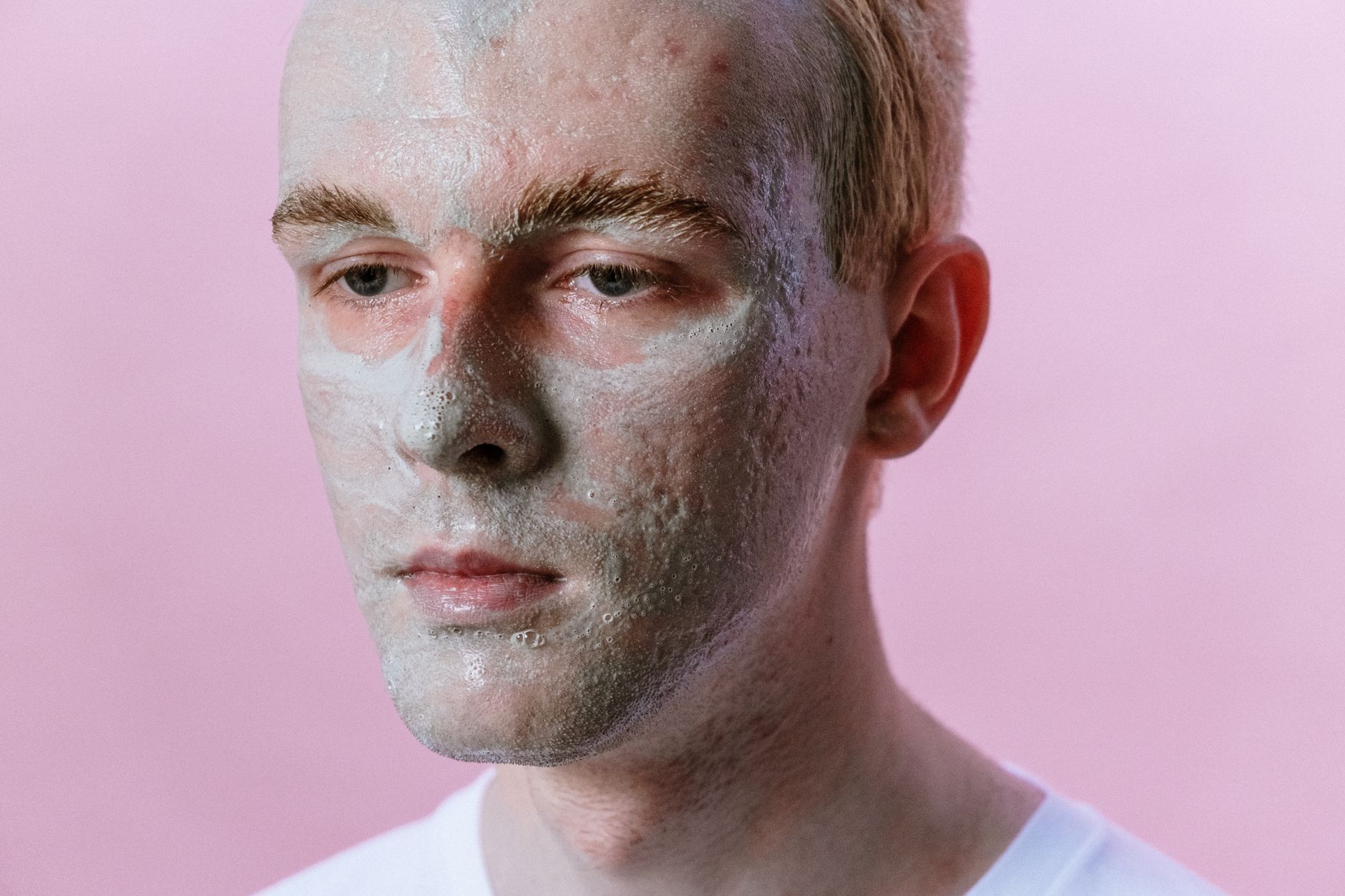
Comedonal acne consists of blackheads, whiteheads, and clogged pores. Treatment works best when it clears existing plugs and prevents new ones across the entire acne-prone area. A topical retinoid such as adapalene is often the main treatment. Salicylic acid can also open clogged pores, while benzoyl peroxide becomes more useful when red, inflamed pimples appear too.
Medical information disclaimer: This article is for general educational purposes only and does not provide medical advice, diagnosis, or treatment. Always consult a physician or other qualified health professional about symptoms, medications, tests, or treatment decisions.
Table of Contents
- Why pores become clogged
- Which treatment fits the breakout?
- How to build a tolerable routine
- When should improvement appear?
- Safety and treatment limits
Why pores become clogged
Comedones develop when excess oil and dead skin cells obstruct hair follicles. A closed plug appears as a whitehead, while an open plug appears as a blackhead.
The black color does not mean the pore contains dirt. Scrubbing harder will not remove the cause and may irritate the skin. The American Academy of Dermatology's explanation of acne types distinguishes these plugs from inflamed pimples.
Which treatment fits the breakout?
Topical retinoids normalize clogged follicles. They clear existing blackheads and whiteheads while helping prevent new ones. Adapalene is available without a prescription in the United States. Salicylic acid exfoliates and opens clogged pores, making it particularly useful for comedonal acne.
Benzoyl peroxide primarily reduces acne-associated bacteria, so it matters more when clogged pores occur alongside inflamed pimples. The American Academy of Dermatology's treatment guidance explains these different roles. Current acne guidelines also support azelaic acid. Combination topical treatment can address several acne mechanisms and generally works better than relying on one topical medicine alone.
How to build a tolerable routine
Apply a topical retinoid sparingly across all acne-affected skin, not only visible spots. Covering the affected area matters because retinoids also prevent new follicular plugs.
A simple routine may look like this: Dryness, stinging, and irritation can occur. People prone to irritation can begin a retinoid or benzoyl peroxide every other day, or wash it off after about an hour before progressing to standard application. These approaches appear in NICE's acne recommendations.
- Cleanse gently, no more than twice daily.
- Apply the chosen acne treatment across the affected area.
- Use non-comedogenic sunscreen with SPF 30 or higher.
- Avoid scrubs, picking, and squeezing.
When should improvement appear?
Comedonal acne improves gradually. Allow at least six to eight weeks before judging whether a routine is helping, provided the skin tolerates it. First-line treatment should generally be reviewed at 12 weeks.
Changing products too quickly can prevent a suitable treatment from having enough time to work. Persistent comedones may require prescription treatment or extraction performed by a dermatologist. Do not squeeze them yourself, because picking can worsen acne and increase the risk of scarring and post-inflammatory dark marks.
Safety and treatment limits
Topical products can still cause dryness, irritation, or sensitivity to sunlight. Reduce the frequency if irritation develops rather than adding scrubs or several more active ingredients at once.
Topical retinoids are contraindicated during pregnancy and while planning pregnancy. Anyone who is pregnant, could become pregnant, or is trying to conceive should choose treatment with pregnancy potential in mind and seek appropriate clinical guidance.