
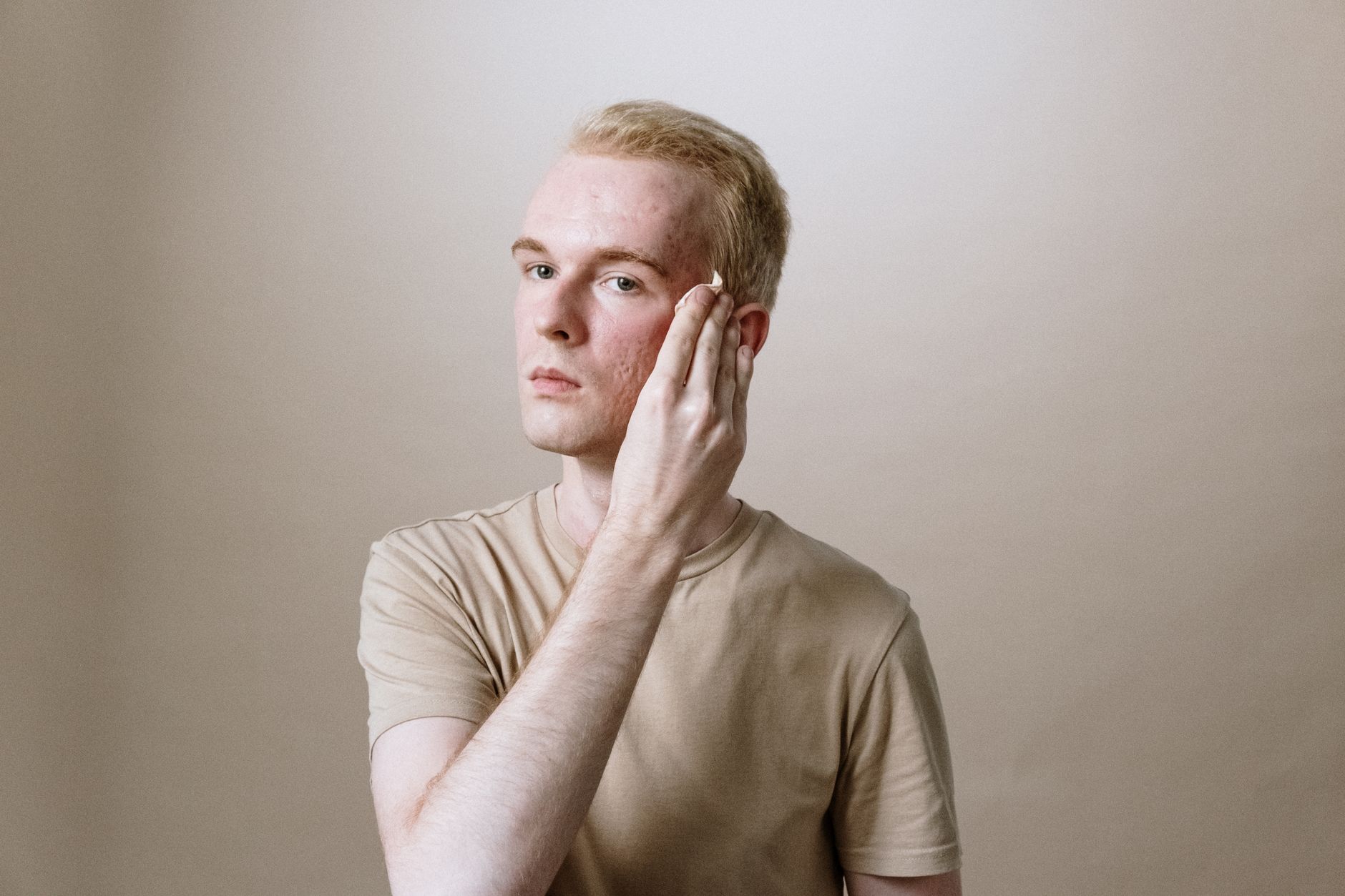
The 2026 AAD Annual Meeting put pediatric acne and rosacea diagnosis on the agenda because children's facial eruptions can differ from adult disease and can resemble other conditions. AAD scheduled "Pediatric Acne and Rosacea," presented by Dawn Eichenfield, MD, FAAD, PhD, for March 29, and its meeting coverage emphasized early diagnosis and individualized treatment for children. For parents, the practical question is not simply whether a child has acne. It is whether the child's age, lesion pattern, skin products, flushing, or eye symptoms point to acne, rosacea, or a condition that needs a different evaluation.
Medical information disclaimer: This article is for general educational purposes only and does not provide medical advice, diagnosis, or treatment. Always consult a physician or other qualified health professional about symptoms, medications, tests, or treatment decisions.
Table of Contents
- When is acne expected?
- Newborn acne versus infantile acne
- What can look like acne?
- Could facial redness be rosacea?
- Eye symptoms need prompt attention
When is acne expected?
Acne commonly begins during adolescence. Pubertal androgens, hormones that increase at puberty, enlarge oil glands and increase oil production, which can help clog pores, according to the American Academy of Dermatology's acne-causes guidance.
Acne in a younger child deserves more attention because age of onset can change the diagnostic question. The meeting program specifically included "Pediatric Acne: When to Worry" in its March 27 acne-and-rosacea symposium. AAD's 2026 meeting program places that concern directly in the pediatric discussion.
Newborn acne versus infantile acne
Timing is especially useful during the first year of life. Newborn acne usually starts before six weeks of age and typically clears without scarring. Infantile acne often begins between three and six months.
It can include nodules or cysts that may scar, making an examination more important than waiting to see whether the eruption fades. Have acne that begins after six weeks assessed. AAD notes that it may be infantile acne, but it can also be eczema, a skin infection, a product-related eruption, or, occasionally, a sign that calls for examination and testing. AAD's baby-acne guidance distinguishes these early-life patterns.
What can look like acne?
A look-alike can change the next step. Eczema, infection, and a reaction to a product may produce bumps or irritation that a parent reasonably mistakes for acne. Bring a simple timeline to the appointment: when the eruption began, whether it changed after a new skin or hair product, and whether lesions leave marks or scars.
That information helps connect the appearance of the skin with the child's age and possible triggers. Avoid treating every cluster of bumps as ordinary acne. A treatment routine designed for clogged pores may not address a rash, infection, or allergic reaction.
Could facial redness be rosacea?
Rosacea is uncommon in children and teens, but it can involve more than redness. Persistent facial flushing, recurrent red or irritated eyes, swollen eyelids, repeated styes, or pinkeye that does not improve with treatment can signal pediatric rosacea, particularly ocular rosacea.
Dermatologists assess both the face and eyes when childhood rosacea is suspected. They may also rule out acne, infections, allergic reactions, and other causes; AAD notes that blood testing is sometimes needed. AAD's pediatric rosacea information explains why an acne-like facial concern can require a broader assessment.
Eye symptoms need prompt attention
Do not treat repeated eye irritation as a minor side issue when it occurs with facial flushing or redness. Untreated ocular rosacea can progress to light sensitivity, a gritty eye feeling, and corneal sores that can threaten vision.
Arrange prompt dermatology assessment for recurring eye symptoms. Severe disease may require referral to an eye specialist, so mention styes, pinkeye, eyelid swelling, light sensitivity, and eye discomfort when scheduling the visit.
You Might Also Like
- Pediatric Acne and Rosacea at the 2026 AAD Annual Meeting: Questions Parents of Children With Acne Can Ask a Dermatologist
- Pediatric Acne and Rosacea at the 2026 AAD Annual Meeting: What the Update Means for Parents of Children With Acne
- Rosacea and Acne FAQ for September 2026: Source-Checked Answers to Common Questions