
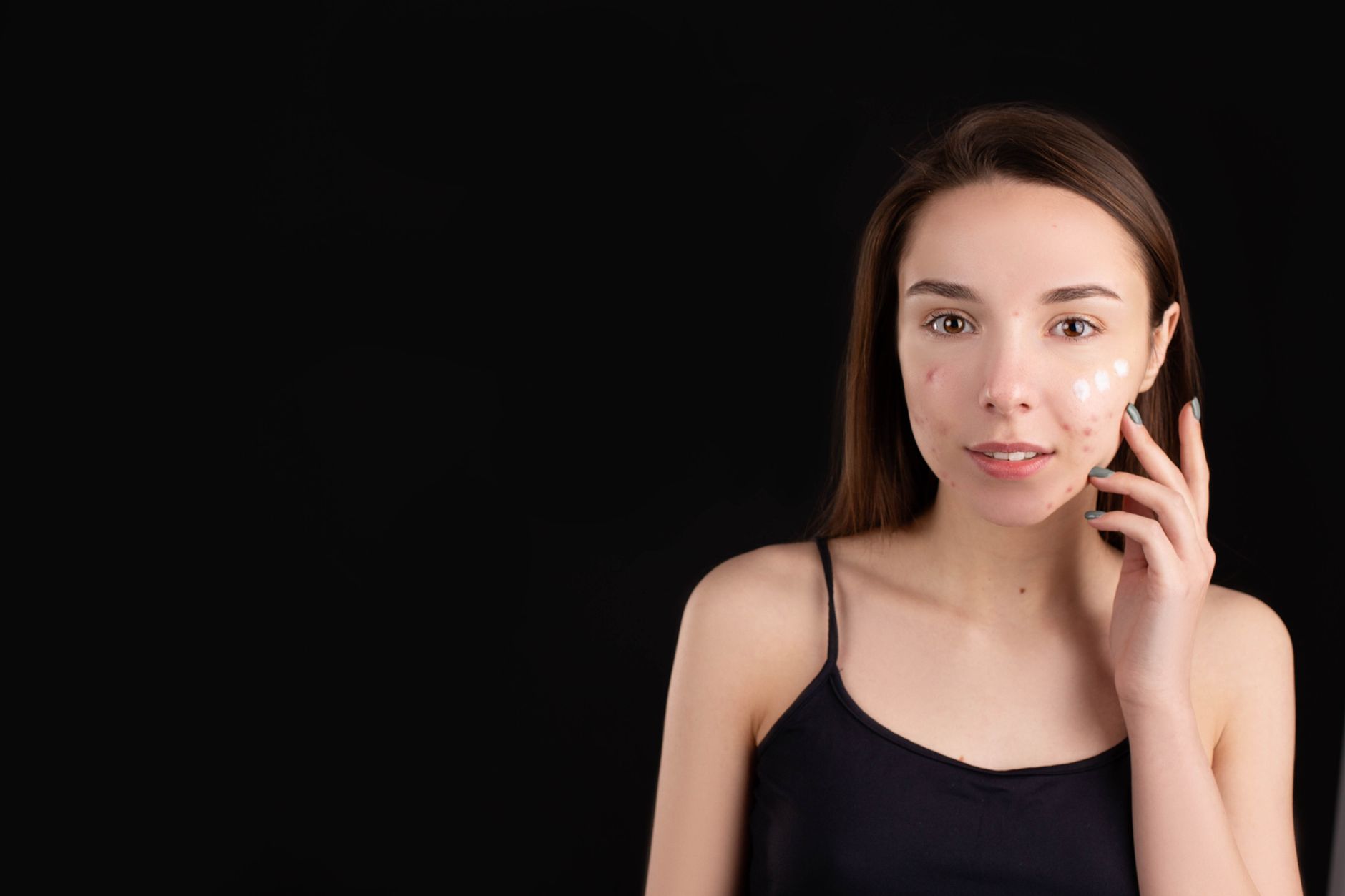
Families comparing acne treatments after the 2026 AAD Annual Meeting should first confirm whether a child has acne or rosacea. Acne involves clogged pores called comedones — blackheads and whiteheads — while rosacea involves persistent redness and flushing without comedones.
The American Academy of Dermatology describes the event in its 2026 meeting preview as held March 27-31, 2026 in Denver. It frames the meeting as a comprehensive clinical and research forum. For families, the practical takeaway is diagnosis before product choice.
Medical information disclaimer: This article is for general educational purposes only and does not provide medical advice, diagnosis, or treatment. Always consult a physician or other qualified health professional about symptoms, medications, tests, or treatment decisions.
Table of Contents
- What does age tell you about pediatric breakouts?
- Is it acne or rosacea?
- Why do eyes matter in childhood rosacea?
- How does diagnosis change treatment comparisons?
What does age tell you about pediatric breakouts?
Medscape summarizes pediatric consensus that classifies pediatric acne by age in its age-based review. The groups give families a shared language for a clinic visit. They also help separate newborn spots from later childhood acne.
True infantile acne is comedonal and inflammatory, with papules, pustules or nodules. An MDedge Family Medicine review notes it is more common in males. It may predict greater risk of severe adolescent acne.
- neonatal: birth to 6-8 weeks
- infantile: 6 weeks to 1 year
- mid-childhood: 1 to under 7 years
- preadolescent: 7-12 years
Is it acne or rosacea?
Pediatric rosacea can look like acne, perioral dermatitis and seborrheic dermatitis. That overlap explains many mistaken purchases of acne washes and spot gels. A Dermatology Times review states in its up-to-date childhood rosacea review that absence of comedones plus persistent erythema, flushing or telangiectasias favors rosacea over acne vulgaris.
Erythema means ongoing redness. Telangiectasias are tiny visible blood vessels. Use these contrasts when you look and take notes: Pediatric pustular rosacea is rare and frequently misdiagnosed as acne. A 2026 Wiley case report notes rosacea remains a clinical diagnosis with no unique histologic gold standard.
- acne: blackheads or whiteheads present, often with papules and pustules
- rosacea: no blackheads or whiteheads, with flushing, lasting redness or visible vessels
- uncertain: mixed bumps with strong flushing or a family pattern of rosacea
Why do eyes matter in childhood rosacea?
Eye involvement is common in childhood rosacea and sometimes comes before skin signs. Contemporary Pediatrics, reporting a JAMA Dermatology study, lists blepharoconjunctivitis and chalazions as typical. Blepharoconjunctivitis means inflammation of eyelids and eye surface. A chalazion is a firm eyelid lump from a blocked oil gland.
Severe cases can involve keratitis or corneal ulcer. Keratitis means inflammation of the clear front of the eye. Corneal ulcer means an open sore on that surface. These are less common but need prompt care. Watch for these signs alongside facial redness and tell the clinician:.
- burning, grittiness, tearing or light sensitivity
- red eyelid rims, styes or lasting eyelid lumps
- blurred vision, eye pain or unequal redness
How does diagnosis change treatment comparisons?
An acne-labeled product will not correct rosacea redness and may irritate sensitive skin. The 2024 AAD acne guidelines, published in the Journal of the American Academy of Dermatology, give strong recommendations for topical benzoyl peroxide, topical retinoids, topical antibiotics and fixed-dose combinations, plus oral doxycycline, as detailed in the full guideline text. Those options apply to acne vulgaris, not to every red bump. Dermatology Times, reporting the AAD guidelines, notes oral isotretinoin is strongly recommended only for severe acne, including cases with scarring or failed topical and oral therapy.
That limit matters for families hoping a stronger acne drug will fix persistent redness. Rosacea needs its own clinical plan. Bring a short timeline with age at onset, comedones present or absent, flushing triggers, eye symptoms and photos in daylight. Ask whether the pattern fits acne, rosacea or another look-alike before choosing among acne treatments.
You Might Also Like
- Pediatric Acne and Rosacea at the 2026 AAD Annual Meeting: Questions Families Comparing Acne Treatments Can Ask a Dermatologist
- Pediatric Acne and Rosacea at the 2026 AAD Annual Meeting: What the Update Means for Families Comparing Acne Treatments
- Pediatric Acne and Rosacea at the 2026 AAD Annual Meeting: How Pediatric Dermatology Patients Can Read the Conference Headline Carefully