
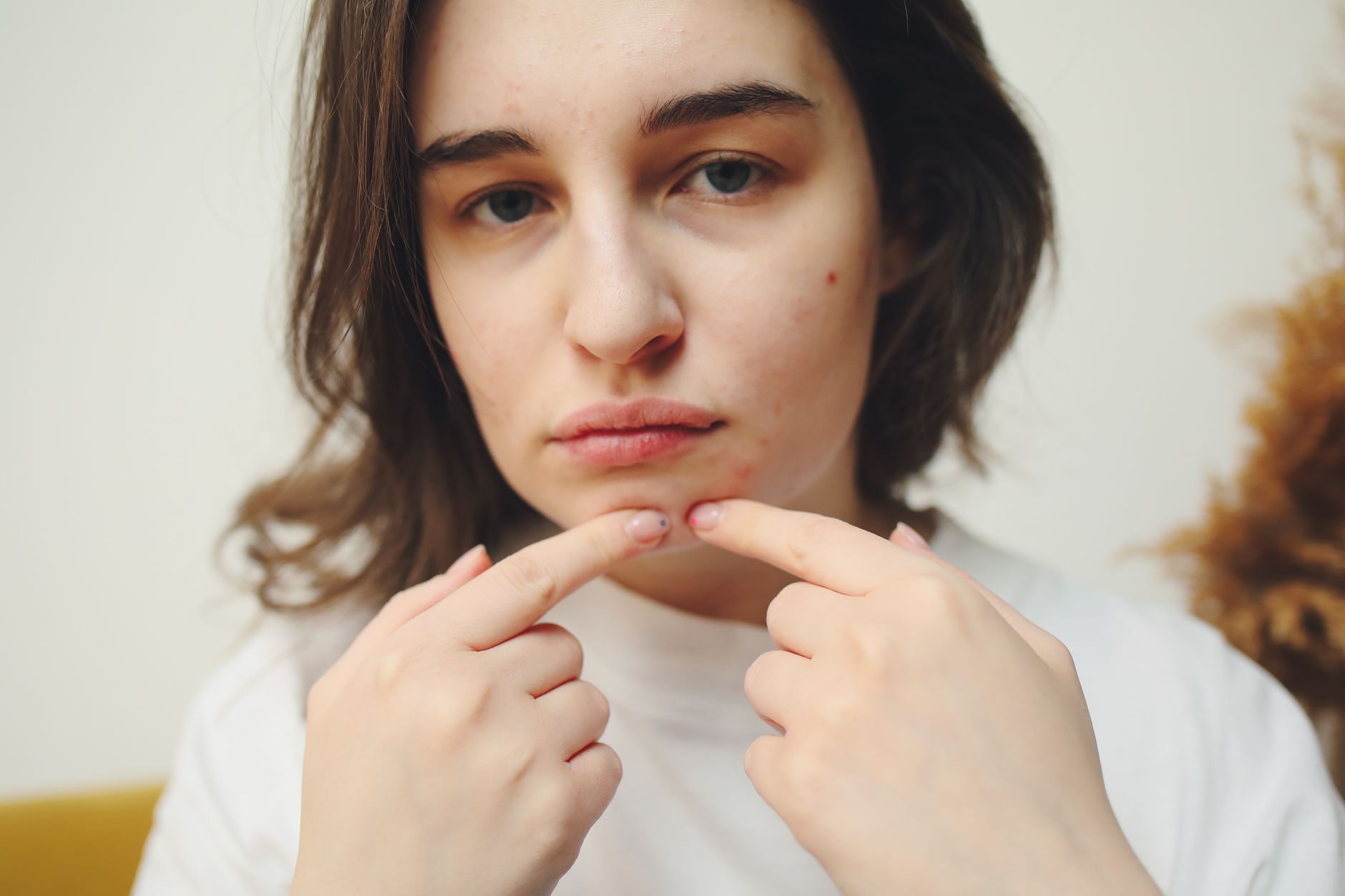
Acne scars saw clearer trade-offs, broader options for darker skin, and new combination approaches through October 2026. The practical shift is matching device strength to downtime tolerance, controlling active acne first, and watching larger diverse-skin trials. Acne scars are lasting marks after inflamed breakouts heal. Atrophic scars sit as indented pits or rolling hollows, while erythematous scars show lingering redness from blood vessel changes.
Medical information disclaimer: This article is for general educational purposes only and does not provide medical advice, diagnosis, or treatment. Always consult a physician or other qualified health professional about symptoms, medications, tests, or treatment decisions.
Table of Contents
- Stronger remodeling or faster recovery?
- What do experts now list first?
- Do you need to wait after isotretinoin?
- Where does botulinum toxin fit?
- What should darker skin and cautious buyers watch?
Stronger remodeling or faster recovery?
A March 2026 meta-analysis of 8 randomized trials with 249 patients found fractional CO2 laser gave greater scar remodeling and higher satisfaction than microneedling-radiofrequency. The same analysis, described by the Journal of Cosmetic Dermatology in the head-to-head comparison, found significantly greater pain and downtime with fractional CO2 laser.
That trade-off guides the first decision. Choose fractional CO2 when maximum smoothing matters and time off is possible. Choose microneedling-radiofrequency when lower pain and shorter recovery matter more.
- Want stronger change and can accept downtime: ask about fractional CO2 laser
- Want gentler recovery and less pain: ask about microneedling-radiofrequency
- Have darker skin: ask about settings and experience in Fitzpatrick types IV-VI
What do experts now list first?
An international panel of 24 dermatologists and plastic surgeons from 12 countries reached consensus through a two-step modified Delphi process. Practical Dermatology reported in the consensus summary that ablative fractional, nonablative fractional, vascular lasers and radiofrequency devices are effective first-line energy-based treatments. That list does not mean every device suits every scar.
Ablative fractional removes tiny columns of skin to rebuild collagen. Nonablative fractional, vascular lasers and radiofrequency use less surface injury for texture or redness. Bring photos of your scars in different light and ask which type dominates.
Do you need to wait after isotretinoin?
Control active acne before booking scar procedures, because new breakouts create new scars. AAD guidelines published Jan. 30, 2024 strongly recommend oral isotretinoin for severe, scarring, psychosocially burdensome or treatment-resistant acne.
A 2026 five-patient case series tested concurrent low-dose isotretinoin with sequential multimodal laser for active acne and red atrophic scars. Cureus authors reported in the case-series paper no wound-healing problems, keloids or abnormal scarring, challenging the historic 6-12 month wait after isotretinoin. Five patients cannot set a safety rule, so ask a dermatologist whether simultaneous treatment fits your acne severity, dose and laser plan.
Where does botulinum toxin fit?
Atrophic scars show the strongest early additive benefit when botulinum toxin joins microneedling, lasers or radiofrequency, according to an Aug. 26, 2026 literature digest.
Dermatology Times noted in the digest that evidence for redness is limited and for enlarged pores weakest. Think of it as a possible booster for indented scars, not a pore treatment. If a clinic offers it, ask what added smoothing to expect, how long it lasts, what it costs, and what side effects were seen with that combination.
What should darker skin and cautious buyers watch?
On April 22, 2025, AVAVA received FDA clearance for MIRIA Focal Point Technology to treat acne scarring at high energies in all Fitzpatrick skin types I-VI. AVAVA stated in the clearance announcement that the clearance expands options for darker skin often excluded by older lasers.
Still, key 2026 signals rest on small samples, including a 7-patient unblinded dual-wave radiofrequency-microneedling pilot in Fitzpatrick IV-VI assessed by SCAR-S and IGA. Larger diverse-skin-type randomized trials, plus updated guidelines and reimbursement, are still needed before these early leads change routine care.
You Might Also Like
- Recovery and Pigment Safety in the 2026 Split-Face Acne Scar Trial: Who Was Studied and Who Was Not for People With Atrophic Acne Scars
- Acne Scars Explained for 2026: Who It Affects, Key Evidence, and What to Do Next
- Vitamin C, Vitamin E, and Ferulic Acid After Acne Scar Laser in 2026: What the Trial Means for People With Rolling Acne Scars