
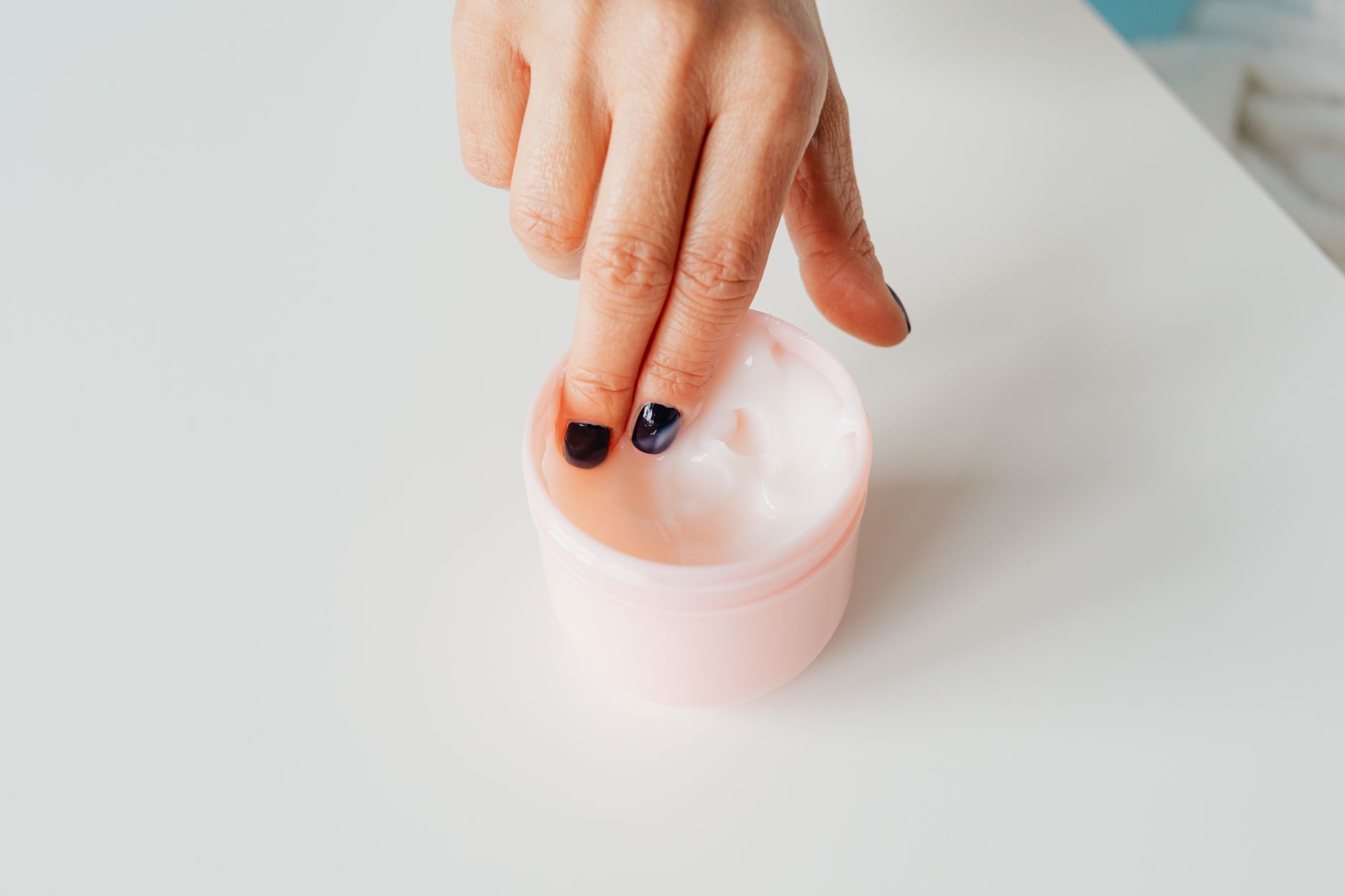
Check the product's promise against FDA drug rules, then check acne ingredients against dermatology guidelines. A plain moisturizer is a cosmetic, while a cream that claims to clear acne is a drug with stricter rules. Intended-use claims are the words on labels and ads that decide that legal category. Learn that distinction and you can spot overblown moisturizer and acne marketing fast.
Medical information disclaimer: This article is for general educational purposes only and does not provide medical advice, diagnosis, or treatment. Always consult a physician or other qualified health professional about symptoms, medications, tests, or treatment decisions.
Official resources:
- Read the official notice from FDA — Use this primary source to verify the official announcement.
- Read the official guidance from Congress — Use this primary source to verify the official guidance.
Table of Contents
- Is it legally a moisturizer or an acne drug?
- Which acne ingredients do dermatologists recommend?
- Should you worry about benzene in benzoyl peroxide?
- Why do non-comedogenic and miracle moisturizer claims fail?
Is it legally a moisturizer or an acne drug?
The Congressional Research Service explains in its MoCRA report that FDA sorts products by what they claim to do. A plain skin moisturizer is a cosmetic, but an anti-acne, wrinkle-remover, or chapped-lip treatment is a drug requiring drug compliance. That line affects every U.S.
seller and buyer. Practical Dermatology reported that FDA reviewed Matte Beauty's website and Instagram in March-April 2024 and cited peel claims like clear acne and reduce scars and wrinkles as making the peels unapproved new drugs. Use this quick check before you buy:.
- Read the front label, directions, and site claims together.
- Treat clear, treat acne, kills acne bacteria, fades scars, or removes wrinkles as drug claims.
- Expect a drug label with Drug Facts, active ingredients, and use instructions.
- Be wary when a cosmetic-looking peel or boutique moisturizer makes those promises without drug labeling.
Which acne ingredients do dermatologists recommend?
The Dermatology Times summary of the AAD guideline in its acne guideline update gives a clear hierarchy. Published January 30, 2024, the guideline strongly recommends benzoyl peroxide, topical retinoids, antibiotics and fixed-dose combinations, plus oral isotretinoin for severe acne. It only conditionally recommends clascoterone, salicylic acid, and azelaic acid.
That difference matters when a moisturizer with a splash of salicylic acid claims equal power to a proven retinoid-benzoyl peroxide pair. Galderma announced in its OTC approval announcement that on May 22, 2026 FDA approved Differin Epiduo Gel with adapalene 0.1% plus benzoyl peroxide 2.5% for OTC use in ages 12 and older. Patients can now buy that retinoid-BPO combination without a prescription.
Should you worry about benzene in benzoyl peroxide?
FDA testing described in its benzene testing statement found little benzene in most products. Its March 11, 2025 testing of 95 benzoyl-peroxide acne products found more than 90% had undetectable or extremely low benzene. The agency prompted only a limited retail-level recall of a small number of products.
Do not throw out a working treatment based on a viral post. If your product was recalled, stop use and ask a pharmacist for a lot-checked replacement. If it was not recalled, keep using it as directed and store it at room temperature. Report strange odor, separation, or irritation to the seller and your clinician.
Why do non-comedogenic and miracle moisturizer claims fail?
Healthline's medical review notes FDA has no legal definition, required test, or enforcement standard for non-comedogenic. Its informal 0-5 comedogenicity scale is not standardized, so labeled moisturizers or makeup can still cause breakouts. A Practical Dermatology clinical review reaches a similar verdict on fancy bases.
Basic moisturizers soften skin and reduce water loss, but strong evidence that added ceramides, fatty acids, urea or glycerol improve efficacy is currently lacking. Shop for plain barrier function first. Choose fragrance-free creams or ointments that keep skin soft without stinging. Patch-test a new product on the jawline for a week before full-face use.