
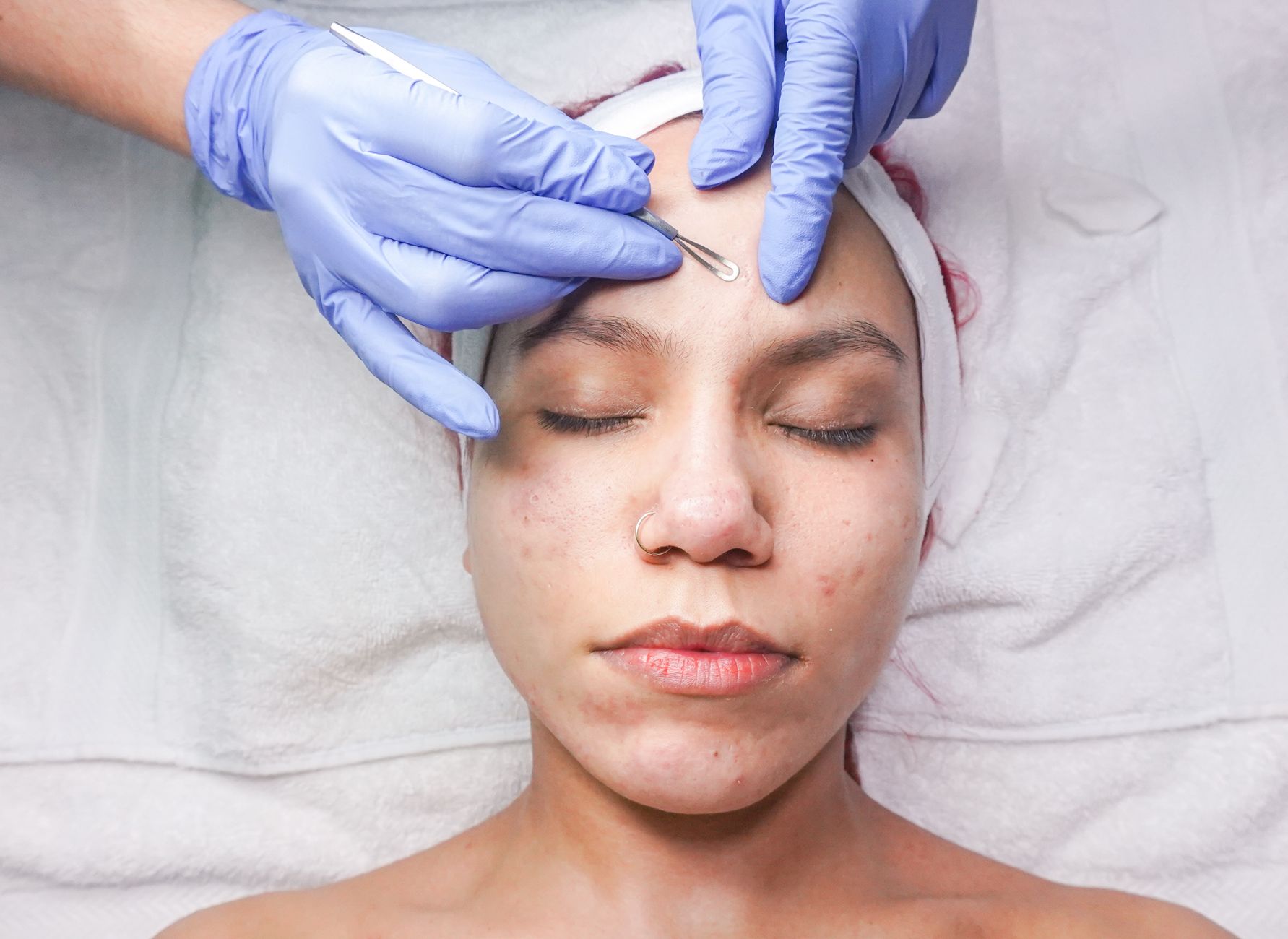
This FAQ gives source-checked answers to common questions about acne during pregnancy for October 2026. Pregnancy acne means new or worsening pimples when oil clogs pores during pregnancy. It explains why breakouts start, which treatments guidelines list, and which drugs to avoid. It also covers daily care and when to ask a clinician.
Medical information disclaimer: This article is for general educational purposes only and does not provide medical advice, diagnosis, or treatment. Always consult a physician or other qualified health professional about symptoms, medications, tests, or treatment decisions.
Table of Contents
- Why does pregnancy trigger acne?
- Which topical options do guidelines list?
- Which drugs must you avoid?
- What daily habits help?
- When should you ask about prescription care?
Why does pregnancy trigger acne?
According to UNM Health pregnancy acne answers, hormonal shifts in the first trimester raise oil production and clog pores. That change can trigger new acne or worsen existing acne.
Breakouts often improve shortly after delivery. Timing still varies, so note when lesions start and how they change.
Which topical options do guidelines list?
The MotherToBaby acne treatment summary of ACOG advice notes ACOG advises certain OTC topicals may be used if needed. Options include benzoyl peroxide, azelaic acid, salicylic acid, or glycolic acid.
Check labels for other actives before use. A dermatology review in the Journal of the American Board of Family Medicine recommends azelaic acid or benzoyl peroxide as baseline pregnancy therapy. For inflammatory lesions, it lists topical erythromycin or clindamycin plus benzoyl peroxide.
Which drugs must you avoid?
The FDA isotretinoin prescriber guide states oral isotretinoin must not be used in pregnancy. Any amount, even briefly, carries extremely high risk of life-threatening birth defects for any exposed fetus.
NHS Cornwall dermatology guidance lists topical retinoids such as tretinoin and oral tetracyclines as contraindicated in pregnancy. It notes tetracyclines can affect fetal bone growth and tooth color.
What daily habits help?
Gentle care lowers irritation while acne runs its course. Mild products and hands-off habits work better than harsh scrubs. UNM Health lists first-line self-care as mild cleansing, oil-free products, and no picking.
These steps reduce clogging and irritation. If several products worsen breakouts, pause new actives and book a dermatologist review. Bring full product names and start dates.
- Use a scent- and dye-free mild cleanser.
- Choose oil-free moisturizer and makeup.
- Do not pick or squeeze lesions.
- Seek dermatologist review if multiple products worsen breakouts.
When should you ask about prescription care?
American Academy of Dermatology expert advice says oral erythromycin or cephalexin is generally considered safe for moderate-to-severe inflammatory acne in pregnancy. The same advice says to avoid tetracycline antibiotics.
MotherToBaby notes in its MotherToBaby topical acne fact sheet that no human studies establish benzoyl peroxide safety in pregnancy. Trial data for pregnancy acne are scarce, so use the smallest effective amount. Confirm any product with an obstetric or dermatology provider, and bring the exact label to the visit.